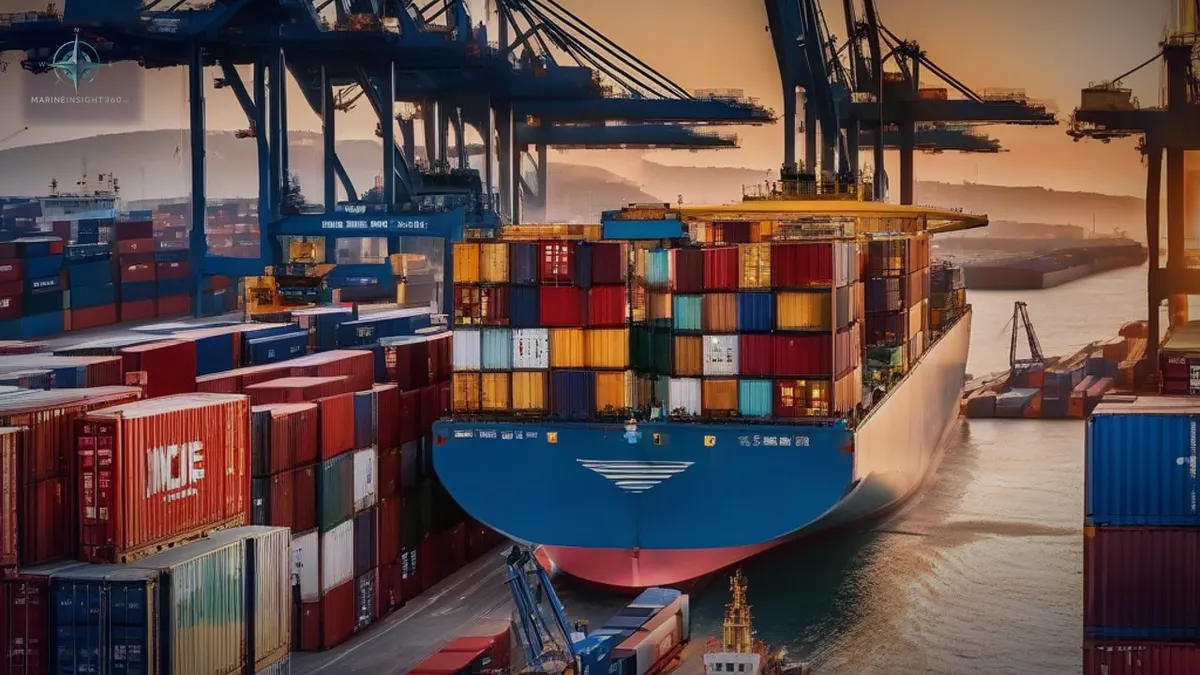
Hermann Lohmann exits container shipping with final vessel sales
Hermann Lohmann has sold its last container ships, marking the company's exit from the container shipping sector.
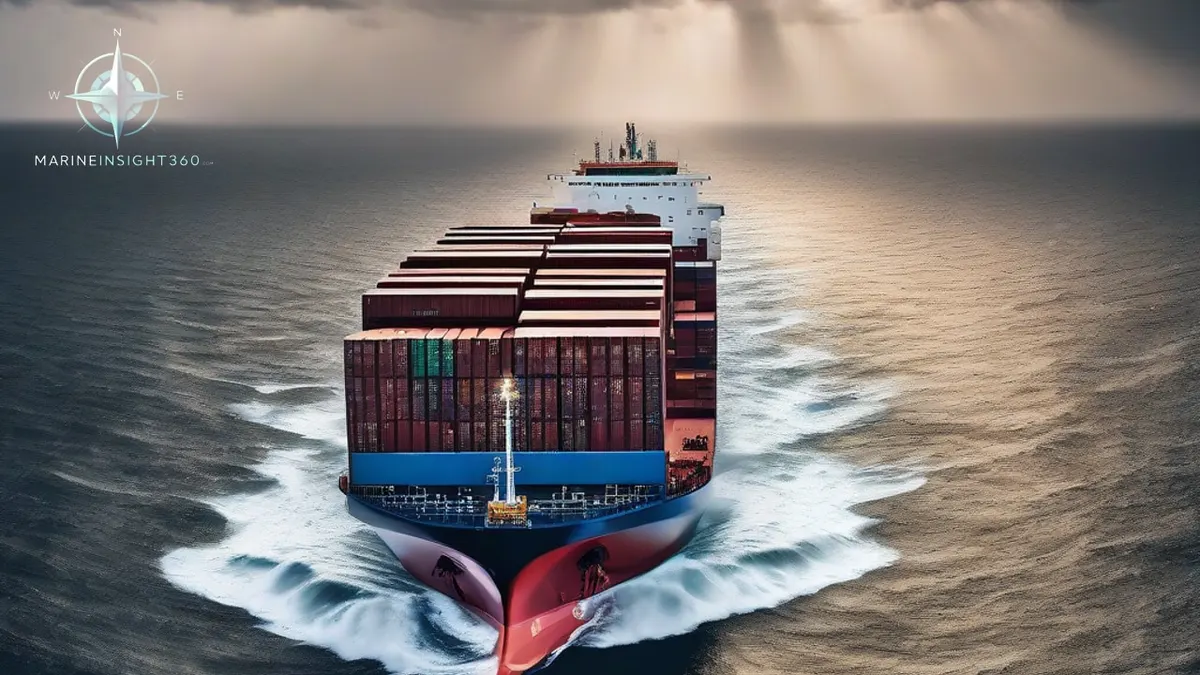
Hermann Lohmann has sold its last container ships, marking the company's exit from the container shipping sector. This move comes as the company decides to focus on other areas of its business. The sales of these vessels will likely have an impact on the company's operations and overall strategy.
Key facts about Hermann Lohmann exits container shipping with final vessel sales
The container shipping sector is highly competitive, with many major players such as Maersk and COSCO operating large fleets. Companies in this sector must comply with various regulations, including those set by the International Maritime Organization (IMO) and the Safety of Life at Sea (SOLAS) convention. These regulations are in place to ensure the safe and efficient operation of container ships.
Hermann Lohmann's decision to exit the container shipping sector may be due to the high operating costs and competitive nature of the industry. The company may have found it difficult to compete with larger operators that have more resources and economies of scale. The sales of the company's container ships will likely be used to focus on other areas of the business, such as investing in new technologies or expanding into other markets.
The exit of Hermann Lohmann from the container shipping sector may have an impact on trade routes and the overall supply chain. Container ships play a critical role in the transportation of goods around the world, and any changes to the sector can have far-reaching effects. This matters to the industry because the departure of a company like Hermann Lohmann can lead to changes in the market dynamics and potentially impact the operations of other shipping companies.
For the leading markets
Professionals in the world's busiest maritime markets treat a shipping development as a data point on trade exposure, port activity and commercial demand, useful only where it touches their own routes and rules.
The wider stakes
Why give this shipping story attention? Because in shipping a single event ripples outward, to owners, cargo interests, insurers, ports and crews, faster than the first report suggests.
What matters is separating the confirmed facts from the knock-on effects on cost, routing, compliance and hiring.
How it plays out in practice
The practical footprint of a shipping story reaches schedules, insurance clauses, crew briefings and procurement. Knowing which desk owns the response is half the work.
And because reporting evolves, weigh it against authoritative sources, regulators, class societies and port authorities, before it drives a decision.
What comes next
- Follow-up notices from port, flag or class bodies.
- Effects on chartering decisions, crewing demand or compliance workload.
- Whether the story escalates beyond its first market.
- New detail that firms up or scales back the initial account.
Why it matters
The value in this shipping development is rarely the headline — it is the second question. Does it change a decision you were about to make about safety, budget, routing or hiring? If not, note it and move on; if so, trace it back to the source before you act.