Hormuz Maritime Traffic Collapses
Hormuz maritime traffic collapses due to tensions.
Impact on Global Oil Supplies
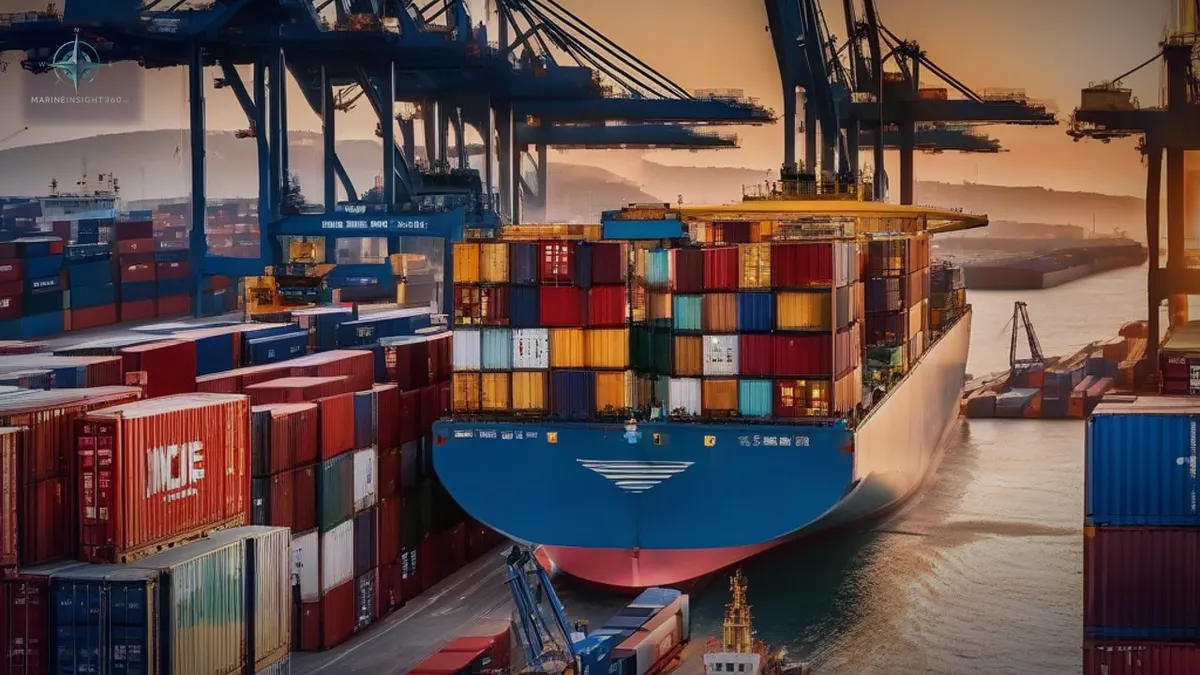
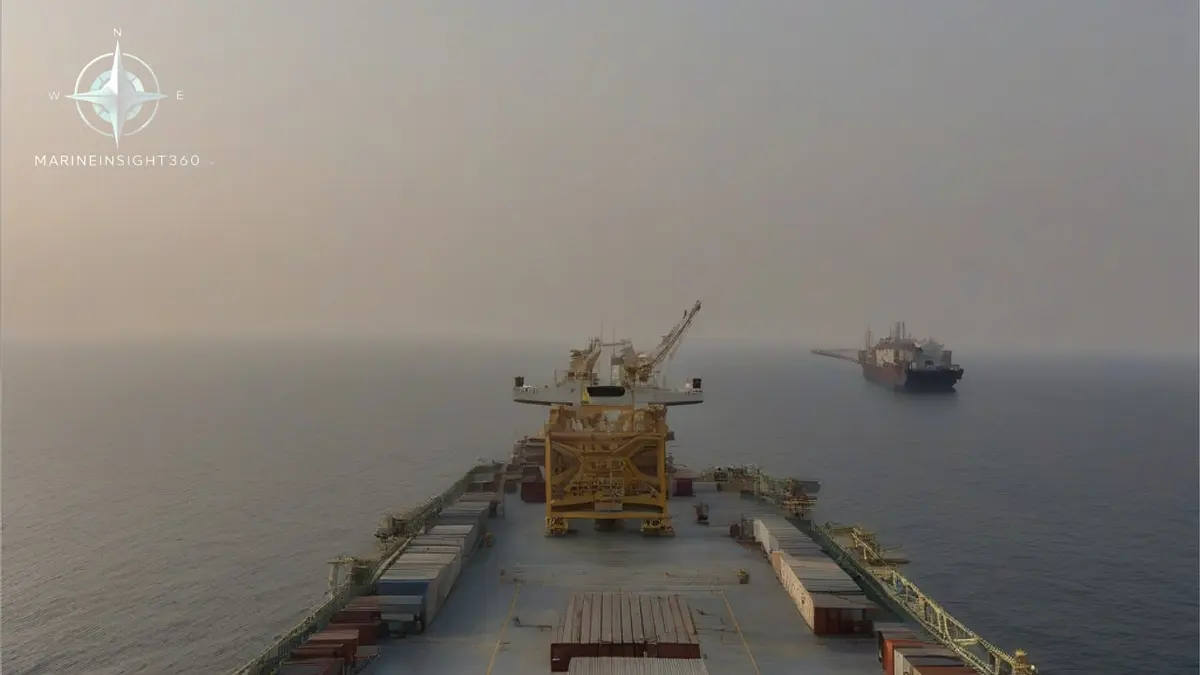
Maritime traffic through the Strait of Hormuz has collapsed, according to recent reports. The Strait of Hormuz is a critical waterway, with approximately 20% of the world's oil passing through it.
This collapse in traffic is likely to have significant impacts on global oil supplies and shipping routes. The Strait of Hormuz is a narrow passage, just 21 miles (34 kilometers) wide at its narrowest point, making it a challenging route for large vessels, such as Very Large Crude Carriers (VLCCs) and Ultra Large Crude Carriers (ULCCs).
Navigation and Safety Guidelines
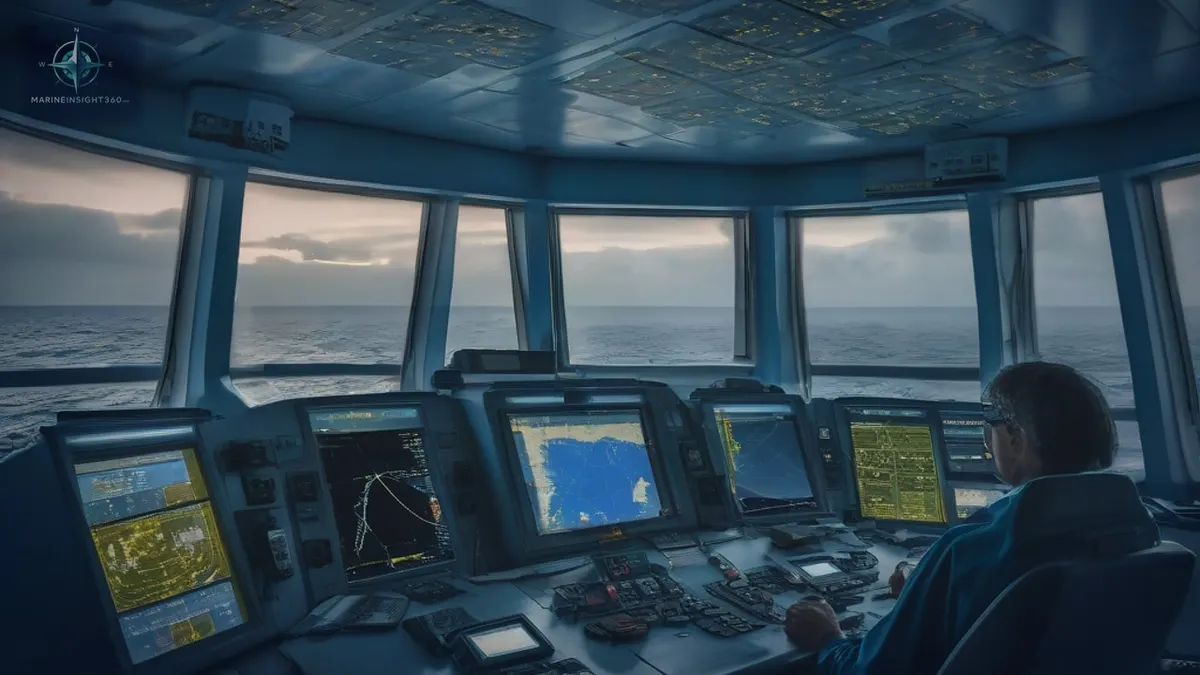
The International Maritime Organization (IMO) and the Safety of Life at Sea (SOLAS) convention have established strict guidelines for navigation through the strait, including requirements for vessel traffic services and ship reporting systems.
The collapse in maritime traffic through the Strait of Hormuz is likely to cause disruptions to global trade, particularly for oil imports. The United States, the United Kingdom, and other European countries rely heavily on oil imports from the Middle East, which are typically transported through the Strait of Hormuz.
Adapting to Changing Circumstances
Alternative routes, such as the Cape of Good Hope, are longer and more expensive, which could lead to increased costs for shipping companies and consumers. Shipping companies and operators will need to adapt to the changing circumstances in the region, potentially re-routing vessels and adjusting their schedules.
This may involve working closely with naval authorities, such as the United States Navy and the Royal Navy, to ensure safe passage through the region. The Merchant Navy and the U.S. Merchant Marine will also need to be aware of the changing situation and take necessary precautions to ensure the safe transportation of goods.