Hormuz Traffic Levels Decrease Amid Houthi Threats
Hormuz traffic levels decrease amid Houthi threats.
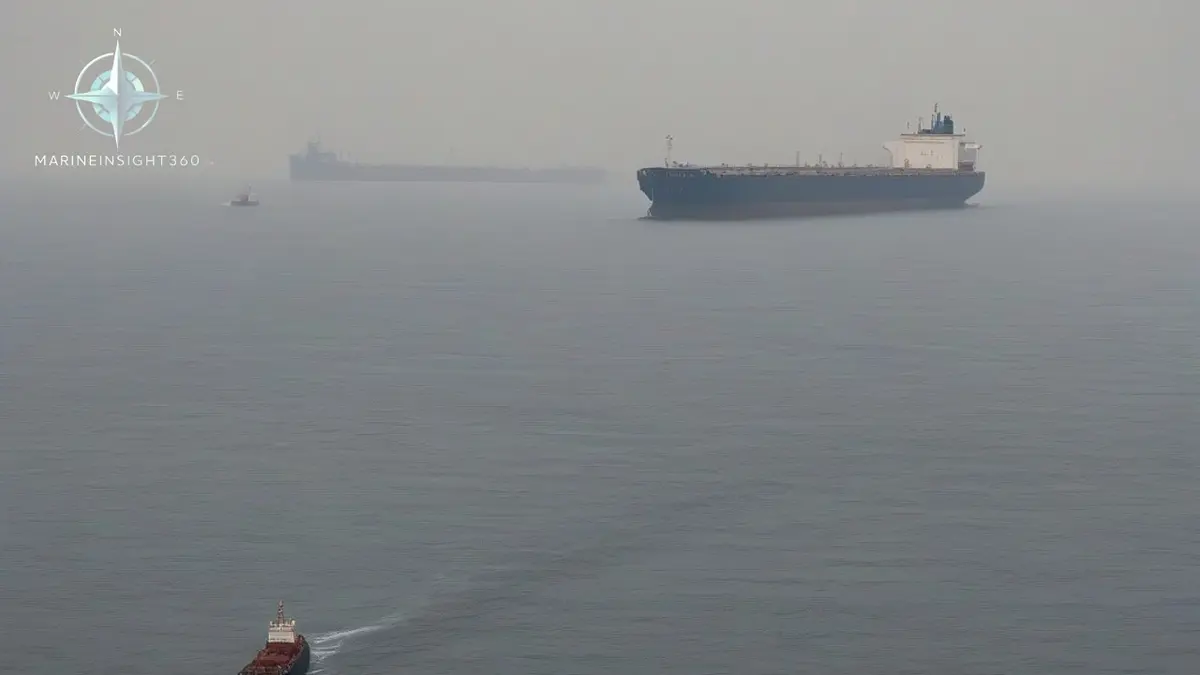
Vessel traffic through the Strait of Hormuz, the waterway carrying about 20% of the world's petroleum, is continuing to decrease amid Houthi threats against Saudi tankers.
Decrease in Hormuz Traffic Levels
Hormuz traffic levels have continued to decrease, according to recent reports. This development is notable as the Strait of Hormuz is a critical waterway for global oil trade, with approximately 20% of the world's petroleum passing through it.
Regional Tensions and Safety Concerns
The decrease in traffic levels may be attributed to the ongoing tensions in the region, particularly the threats made by the Houthis in Yemen against Saudi tankers. The Houthi rebels have been involved in a long-standing conflict with the Saudi-led coalition in Yemen, and their threats against Saudi tankers have raised concerns about the safety of maritime trade in the region.
International Maritime Response
The International Maritime Organization (IMO) and the Safety of Life at Sea (SOLAS) convention emphasize the importance of safe navigation and security in such critical waterways. The US Navy has been maintaining a presence in the region to ensure the safe passage of ships, and the US Merchant Marine has been taking precautions to minimize risks.
The situation is being closely monitored by maritime authorities and shipping companies, as any disruption to trade in the region could have significant economic implications. The threat to Saudi tankers is a concern for the global oil market, as Saudi Arabia is one of the world's largest oil exporters.
For the leading markets
Professionals in the world's busiest maritime markets treat a safety development as a data point on trade exposure, port activity and commercial demand, useful only where it touches their own routes and rules.