MSC Confirms Containership Was Hit Twice by Projectiles Off Iraq
The recent confirmation by MSC that one of its containerships was struck twice by projectiles off the coast of Iraq serves as a stark reminder of the enduring and...
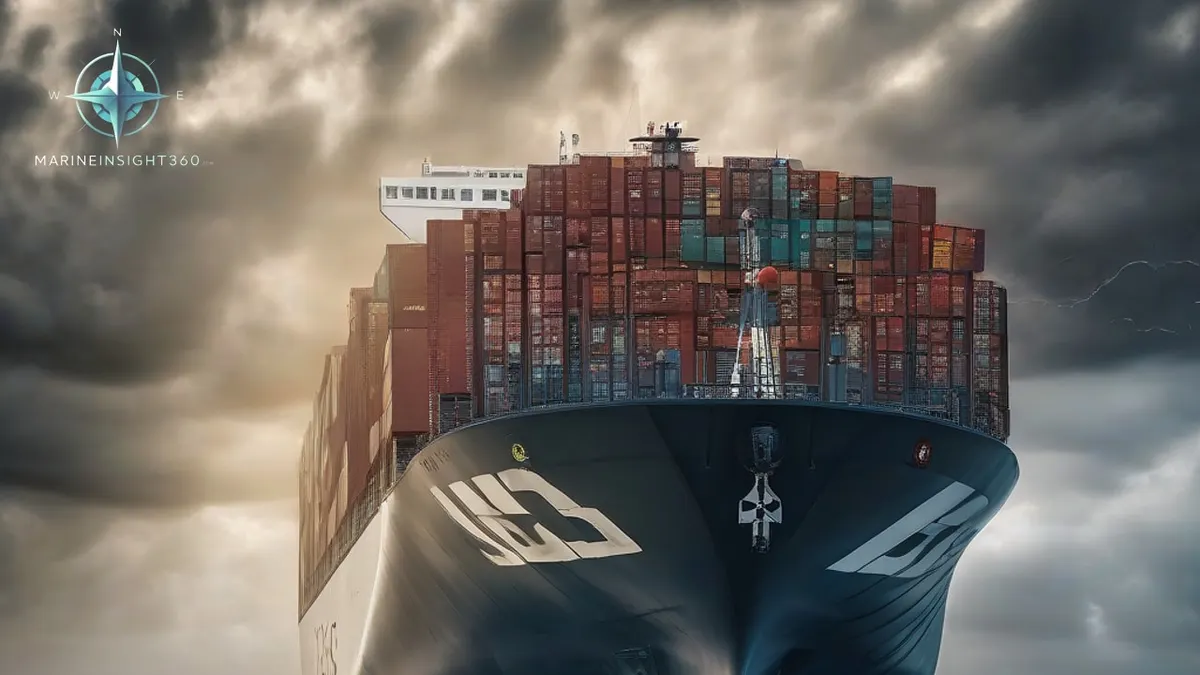
The recent confirmation by MSC that one of its containerships was struck twice by projectiles off the coast of Iraq serves as a stark reminder of the enduring and volatile security challenges facing international shipping. This incident, occurring in a region critical to global trade, highlights the ongoing threats to vessels transiting key maritime arteries and underscores the immediate danger posed to commercial shipping and the dedicated seafarers aboard. Such events demand the serious attention of all stakeholders across the maritime ecosystem, from flag states to port operators.
Key facts about MSC Confirms Containership Was Hit Twice by Projectiles Off Iraq
The waters surrounding Iraq are part of the broader Persian Gulf, a strategically vital region through which a significant portion of the world's oil and gas, as well as substantial containerised cargo, transits. The targeting of a containership, a backbone of global supply chains, signifies a direct threat not only to the vessel and its crew but also to the stability of international trade. Incidents of this nature necessitate heightened vigilance and robust risk assessment from shipowners and operators, who must continually adapt their operational strategies to navigate unpredictable geopolitical landscapes.
For seafarers, who are the frontline personnel in this complex environment, such attacks inflict immense psychological stress and physical danger. Their safety and well-being must remain paramount, necessitating comprehensive security training, access to protective measures, and clear emergency protocols. Shipowners, in turn, face escalating challenges including increased insurance premiums, potential re-routing requirements impacting transit times and fuel costs, and the critical need to comply with stringent security frameworks such as the International Ship and Port Facility Security (ISPS) Code, ensuring vessels are adequately protected against evolving threats.
The international maritime community, led by organisations like the IMO, plays a pivotal role in monitoring, assessing, and disseminating crucial security information. Prompt and accurate reporting of incidents, adherence to Best Management Practices (BMPs), and effective communication via navigational warnings (NAVTEX) are essential for mitigating risks. Furthermore, sustained diplomatic efforts and effective cooperation among coastal states, flag states, and naval forces are indispensable for ensuring freedom of navigation and protecting innocent passage through these contested waters.
This incident is more than an isolated event; it is a manifestation of broader geopolitical tensions that directly impinge upon the commercial interests and operational realities of the global maritime industry. The continuity of trade routes, the predictability of transit, and the safety of maritime personnel are non-negotiable foundations upon which the global economy relies. Protecting these foundations requires unwavering commitment from all parties to uphold international law and ensure the secure flow of maritime commerce.
The repeated targeting of commercial vessels in vital corridors represents a dangerous escalation that directly jeopardises global supply chain integrity and seafarer safety.
Next steps
Follow the latest maritime news for related updates and practical context.
What this means for high-value maritime markets
For readers in the United States, United Kingdom, Canada, Australia, Singapore and Europe, MSC Confirms Containership Was Hit Twice by Projectiles Off Iraq is useful when it is connected to local maritime regulation, port exposure, insurance, crewing, procurement or trade-route decisions. The exact impact can differ by regulator, flag state, port authority, employer and vessel type.
Use the market links below to connect the article with regional trade exposure, port activity, shipping jobs and commercial maritime demand.
Why this story matters
MSC Confirms Containership Was Hit Twice by Projectiles Off Iraq matters because shipping news rarely stays inside one lane. A single development can affect vessel operators, charterers, insurers, port teams, seafarers, equipment suppliers and regulators at the same time.
For readers in the United States, United Kingdom, Europe, Canada, Australia and Singapore, the value is in the practical signal behind the headline: what the development changes, what still needs confirmation and how it may affect decisions across safety, compliance, trade or fleet planning.