Strait of Hormuz Shipping Halt
Shipping halted in Strait of Hormuz
Strait of Hormuz Closure
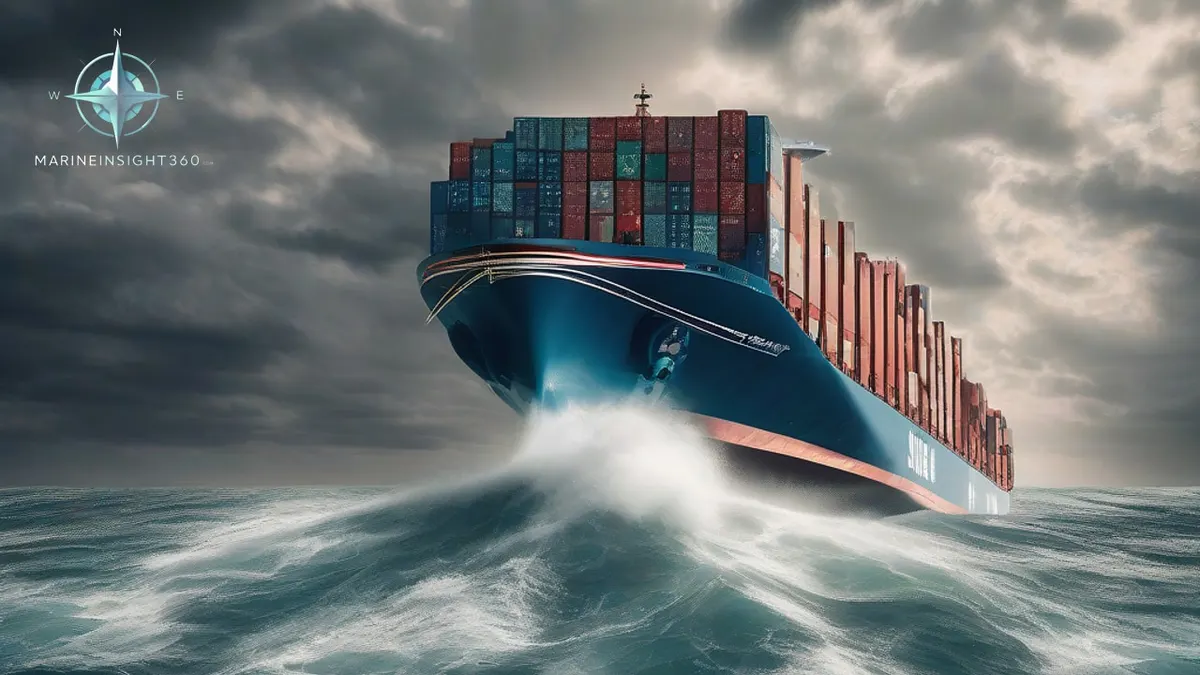
A shipping insider has stated that no vessels are currently passing through the Strait of Hormuz, contradicting claims by the US that the waterway is open. This strategic chokepoint is a critical route for international oil trade, with nearly a third of the world's crude oil passing through it.
Impact on Global Trade
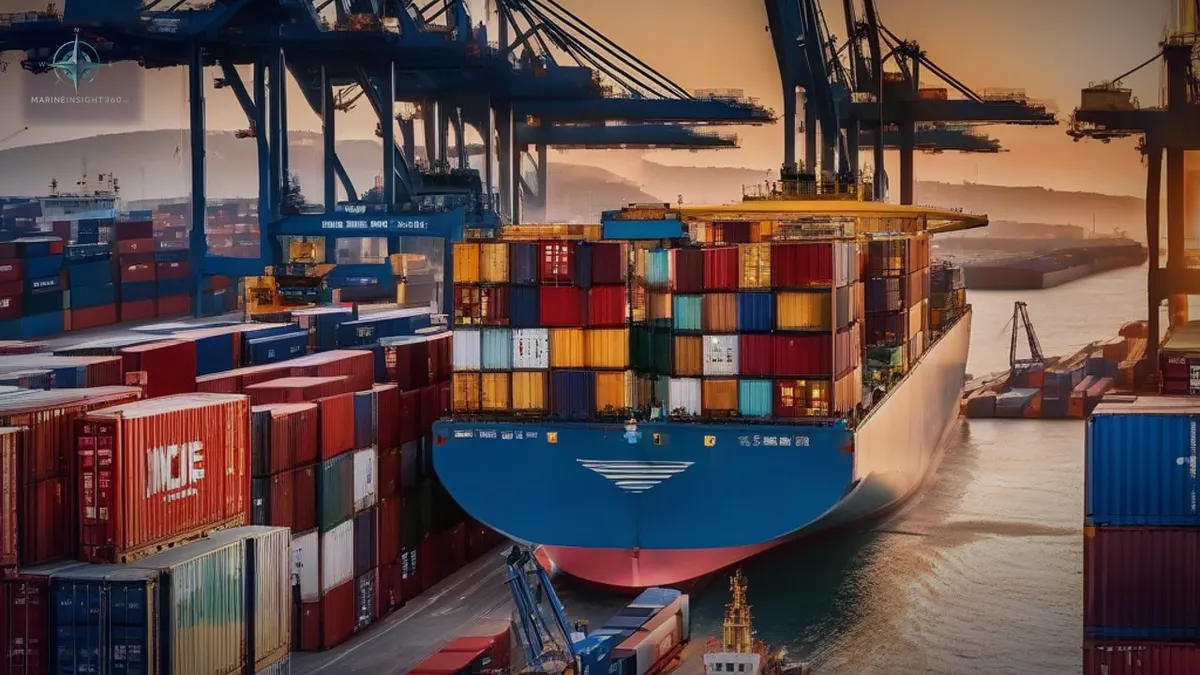
The insider's statement suggests that the recent tensions in the region have effectively closed the strait to maritime traffic. The Strait of Hormuz is a vital shipping lane, connecting the Persian Gulf to the Gulf of Oman, and is used by a wide range of vessels, including tankers, container ships, and bulk carriers.
Maritime Security Concerns
The US has maintained that the strait remains open, but the insider's claim indicates that, in reality, no ships are currently navigating this route. The International Maritime Organization (IMO) and the International Convention for the Safety of Life at Sea (SOLAS) provide guidelines for safe navigation through such critical waterways. However, the current situation in the Strait of Hormuz highlights the complexities of maintaining maritime security in regions prone to conflict.
Industry Implications
For shipowners, operators, and charterers, the closure of this key route poses significant logistical and financial challenges, as they must consider alternative routes or wait for the situation to resolve. This development matters to the industry because any prolonged disruption to traffic through the Strait of Hormuz could lead to increased costs, delays, and uncertainty for global shipping operators and the economies that rely on them.
What it means for the major markets
For operators and jobseekers in the US, UK, Europe, Singapore, Canada and Australia, the relevance of this shipping story is in the detail behind the headline, what it changes for the trades and rules that market runs on.