Ukraine Claims 21 Tankers Targeted in Sea of Azov Operation
Ukraine says 21 Russian oil tankers were targeted in the Sea of Azov; Russia had not responded and damage remained unverified at publication.
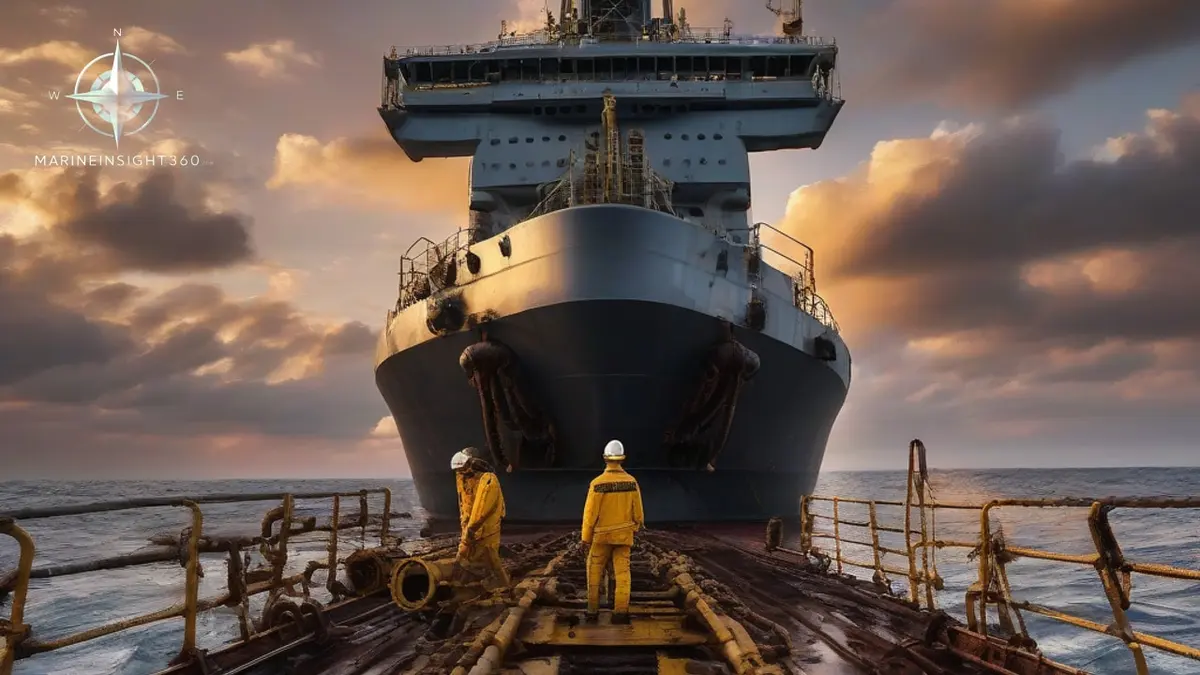
Ukraine's military claimed on 11 July 2026 that it had targeted 21 Russian oil tankers during an overnight operation in the Sea of Azov. At the time of the cited report, Russia had not publicly responded and there was no independent confirmation of damage, casualties or disruption to maritime traffic.
What the report establishes
Business Upturn attributed the figure of 21 tankers to the Ukrainian military. Ukrainian officials had not provided details about the weapons used or the condition of individual vessels. The report therefore documents a military claim, not a verified casualty list.
The distinction is important for maritime readers. A headline count does not show whether a vessel was hit, damaged, delayed or merely identified as a target. It also does not establish ownership, flag, cargo status or location for each ship.
What remained unconfirmed
No official information was available in the source about crew casualties, pollution, damage severity or port closures. Russia had not issued a public response when the report was published. Without operator statements, imagery that can be geolocated, coastal authority notices or independent security reporting, the scale and effect of the operation cannot be measured reliably.
This article is separate from an earlier Ukrainian claim involving 14 vessels, including tankers and other ship types. The numbers should not be combined automatically: they were reported on different dates and the available reports do not establish whether their vessel lists overlap.
Why the Sea of Azov matters
The Sea of Azov is connected to the Black Sea and remains important for military logistics, commercial shipping and energy movements. Attacks on tankers or port approaches can affect crews, insurers, voyage planning and the availability of reliable vessel-position data even before the physical damage is fully known.
Conflict conditions also complicate verification. Public AIS information may be incomplete, delayed or intentionally unavailable. That makes named official notices and direct operator updates more useful than social-media totals when companies assess immediate exposure.
What the Sea of Azov can physically carry
The Azov is the shallowest sea on the planet by average depth, roughly 7 metres over most of it and about 14 metres at the deepest point. Its only outlet is the Kerch Strait, spanned by a road and rail bridge whose air draught caps the height of anything passing beneath it.
Those two limits decide what the word tanker means here. Vessels working the Azov are small river-sea types that can also run the inland waterway system, carrying a few thousand tonnes each, rather than the crude carriers the term usually brings to mind. A claim involving 21 of them describes a different order of tonnage than the same number would in the Gulf, and any estimate of spill volume or market effect has to start from that.
The trades served are river trades as much as sea trades. Rostov-on-Don and Azov sit on the Don, linked to the Volga by the Volga-Don canal, so the same hulls that load in the Sea of Azov can run deep into the Russian inland waterway network. That is the fleet a claim about Azov tankers is describing, and it is a different fleet from the one that carries seaborne crude exports.
How to read further updates
- Check whether a report attributes the claim to a named party.
- Separate targeting claims from confirmed vessel damage.
- Look for crew, pollution and navigation-status updates from competent authorities.
- Check whether later reports revise the number or identify overlapping incidents.
For ongoing coverage, visit our maritime news desk and the related report on the earlier 14-vessel claim.
Source and verification
This report summarizes information published by Business Upturn. The military claim remains attributed because the cited report did not independently verify its result.