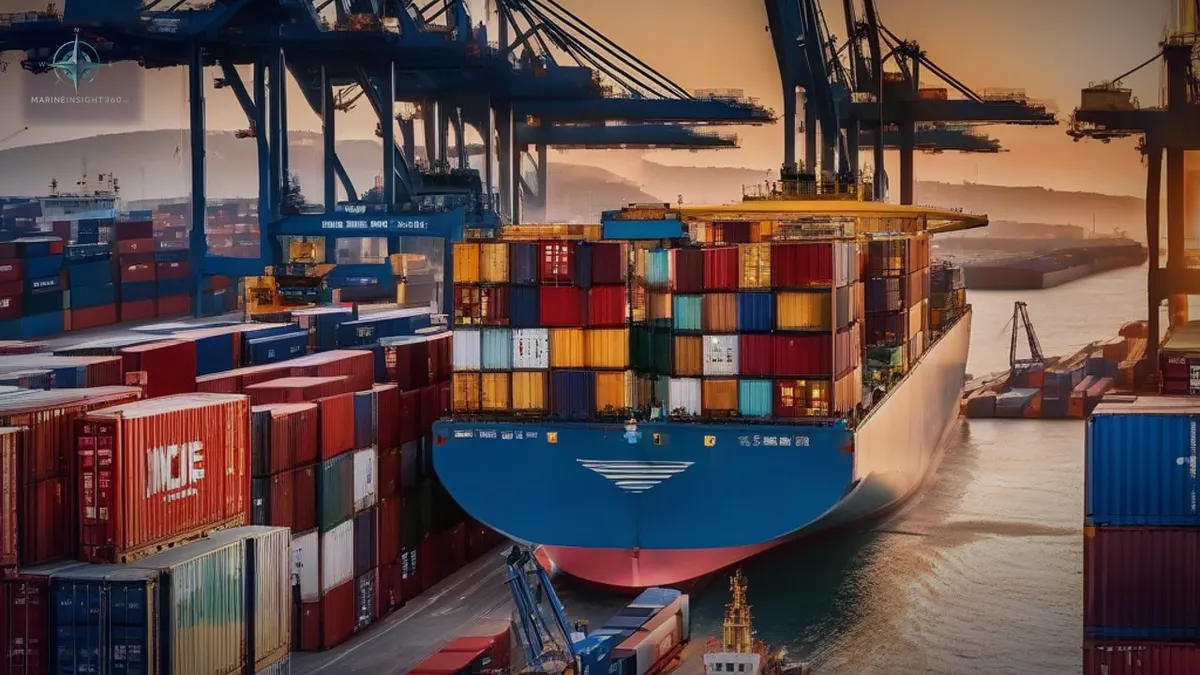
Yemen's Houthis to Block Saudi Shipping
Yemen's Houthis threaten to block Saudi shipping at Red Sea gateway
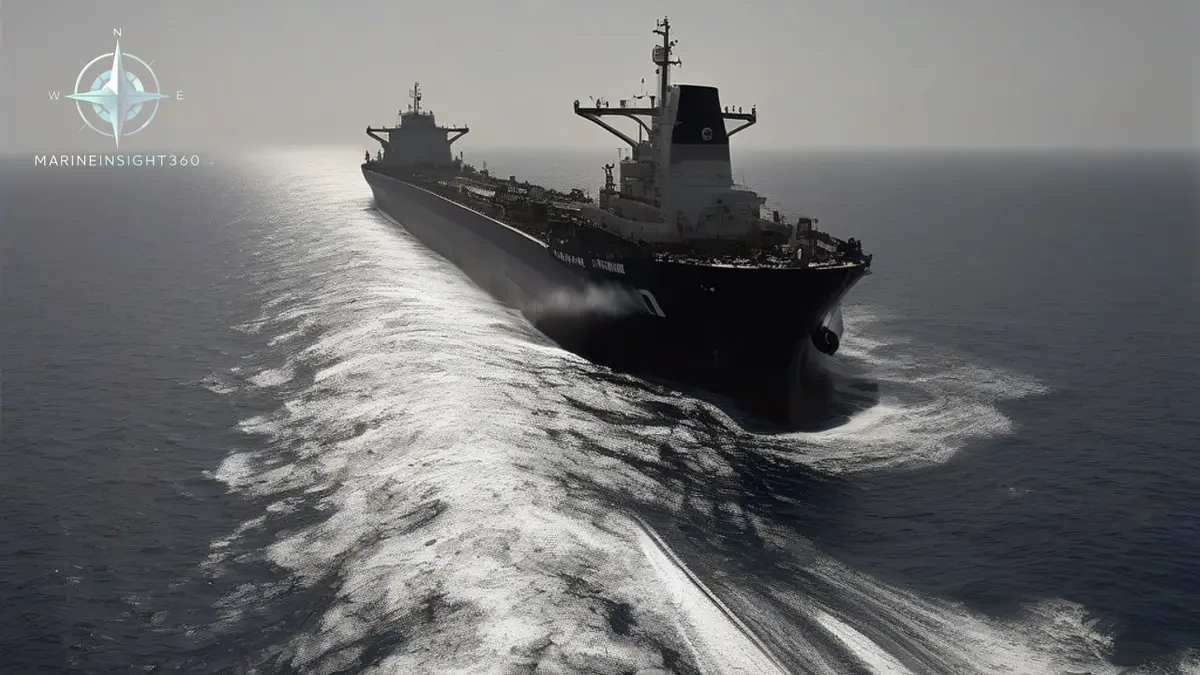
Yemen's Iranian-backed Houthis have announced they will block Saudi shipping at the Red Sea gateway, a move likely to hit oil tankers and cargo ships that must transit the Bab-el-Mandeb Strait.
Blockade Impact on Maritime Trade
Yemen's Iranian-backed Houthis have announced they will block Saudi shipping at the Red Sea gateway. This move is likely to impact oil tankers and cargo ships that pass through the Bab-el-Mandeb Strait, a key shipping lane that connects the Red Sea to the Gulf of Aden.
International Maritime Implications
The strait is a critical route for international trade, with many ships traveling through it to reach the Suez Canal. The Houthis' threat to block Saudi shipping may lead to increased tensions in the region, potentially affecting maritime trade and the safety of ships and crew.
Regulatory and Security Considerations
Under the International Maritime Organization's (IMO) conventions, including the Convention for the Suppression of Unlawful Acts Against the Safety of Maritime Navigation (SUA), such actions could be considered a threat to international shipping. The IMO and other maritime organizations may need to take steps to ensure the safe passage of ships through the region.
Ship operators and owners may need to consider re-routing their vessels to avoid the affected area, which could lead to increased costs and transit times. This may also impact the global supply chain, particularly for goods transported through the Suez Canal.
Why this matters
Yemen's Houthis to Block Saudi Shipping rarely stays in one lane. A shipping development like this can reach vessel operators, charterers, insurers, port teams, seafarers and regulators at the same time.
The useful read is the signal under the headline: what actually changes, what still needs confirming, and where it touches safety, compliance, trade or fleet planning.
What it changes day to day
Shipping developments feed straight into voyage planning, compliance costs and commercial decisions. Ship managers may revisit risk assessments, commercial teams may reprice, and crews may need fresh instructions before the next call.
Confirm the detail against primary sources first, official notices, company updates, port and flag guidance, rather than acting on the headline.
Signals to follow
- Confirmation, or correction, from primary sources in the coming days.
- Movement in insurance clauses, schedules or commercial terms.
- Whether other routes, ports or fleets become exposed.
- Guidance from owners, managers or authorities that turns news into action.
The bottom line
For this shipping development, the useful skill is filtering. Most items like this are context; a few change how you plan or comply. The work is telling those two apart and passing the second kind to the right people.