
Troubled Waters: Iran Attacks, Rising Costs
Troubled Waters: Iran Attacks, Rising Costs: ports, trade and shipping-market context for US, UK, Canada, Australia, Singapore and European maritime...
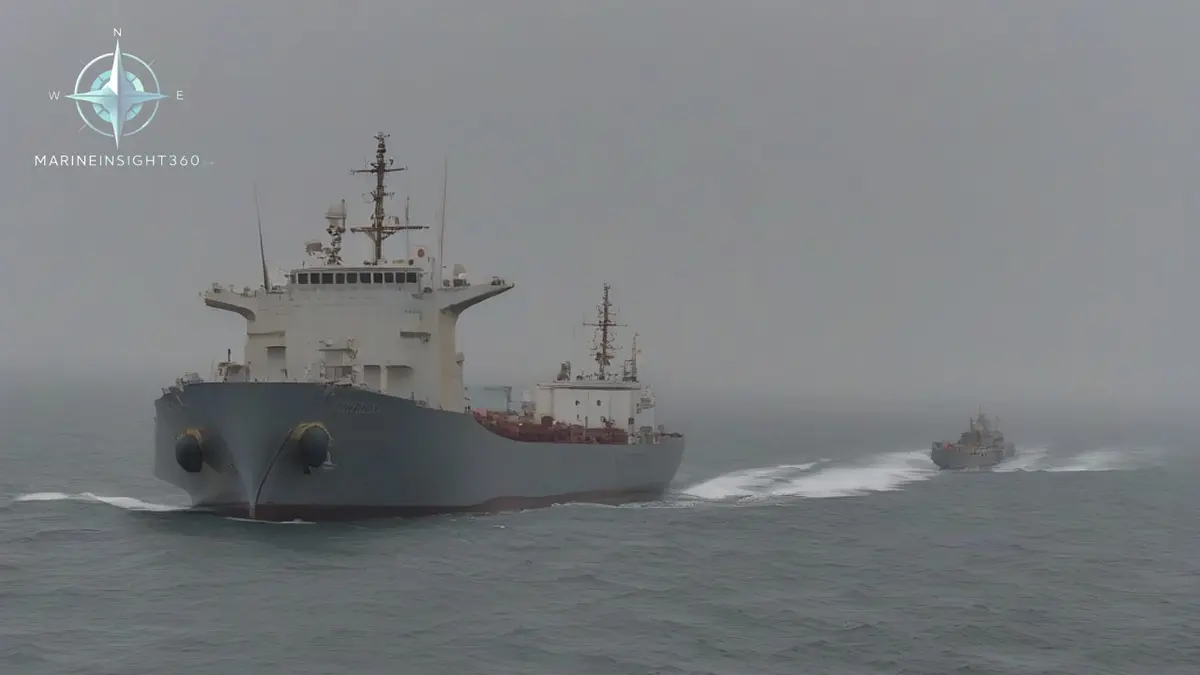
Attacks by Iran-backed groups on Red Sea cargo ships, rising fuel costs, port congestion and climate risk are the four pressures squeezing global shipping, and maritime tech startups are emerging to address each.
Troubled Waters: Iran Attacks, Rising Costs, and Tech Startups Navigate a Choppy Global Cargo Landscape
The world's maritime trade routes, the lifeblood of global commerce, face growing turbulence. Recent attacks by Iran-backed groups on Red Sea cargo ships, reported by TechCrunch on February 9, 2024. It just one symptom of a complex mix of challenges impacting the industry. Rising fuel costs, infrastructure bottlenecks, and evolving security threats all threaten the smooth flow of goods and pose significant challenges for the Merchant Navy.
However, amidst these daunting realities, a wave of innovative tech startups is emerging, offering potential solutions and fostering hope for a more resilient and secure future. This blog post dives deep into the current state of global cargo, explores the challenges and opportunities it presents. Also, examines the role technology can play in navigating these troubled waters.
Stormy Seas: Unpacking the Challenges:
Several factors are conspiring to create a challenging environment for global cargo:
- Geopolitical Tension: The attacks in the Red Sea highlight the increasing risk of piracy and political instability impacting key shipping routes.
- Soaring Fuel Costs: The recent surge in oil prices significantly increases operational costs for cargo vessels, impacting profitability and potentially raising consumer prices.
- Infrastructure Gaps: Port congestion and outdated infrastructure create bottlenecks, causing delays and inefficiencies in the global supply chain.
- Climate Change: Extreme weather events and rising sea levels pose growing threats to maritime operations and infrastructure.
Silver Linings on the Horizon: Startups Offer Solutions:
Despite these challenges, innovative startups are stepping up to address the evolving needs of the industry:
- Port and Cargo Tech Platforms: Platforms like Portchain facilitate real-time communication between ships and ports, optimizing arrival times and reducing congestion.
- Maritime Security Solutions: Startups are developing advanced surveillance and tracking technologies to enhance maritime security and combat piracy.
- Fuel Efficiency Innovations: Companies are exploring alternative fuels and optimizing vessel design to reduce fuel consumption and emissions.
- Data-Driven Decision Making: AI and Big Data solutions are being developed to optimize routes, predict future trends, and improve overall logistical efficiency.
Anchoring a Sustainable Future: Collaboration and Innovation:
The future of global cargo hinges on collaborative efforts to overcome challenges and embrace innovation:
- Public-Private Partnerships: Collaboration between governments, industry players, and startups is crucial to develop and implement effective solutions.
- Investing in Infrastructure: Upgrading and expanding port infrastructure is essential to address bottlenecks and create a more efficient system.
- Embracing Clean Technologies: Transitioning to cleaner fuels and optimizing vessel design are vital for a sustainable future.
- Training and Upskilling the Workforce: Seafarers need training to adapt to new technologies and operate in an increasingly complex environment.
Conclusion: Charting a Steady Course:
The global cargo landscape remains fraught with challenges, but it is not without hope. By acknowledging the problems, embracing innovative solutions, and fostering collaboration, the industry can navigate these troubled waters and ensure the smooth flow of goods remains a pillar of global prosperity.
The Merchant Navy is important in this equation, and ongoing adaptation and embracing these evolving technologies will be crucial for their continued success and safety. By working together, we can ensure that the seas remain a source of connection, not conflict. That the vital flow of global trade continues to propel us towards a brighter future.
Career planning context
For cadets, ratings and officers, troubled waters should be read alongside current company requirements, flag-state rules, medical fitness standards and training-provider instructions. The pathway can change by country, rank, vessel type and previous sea service, so candidates should verify documents before paying fees or accepting a joining offer.
Recommended Reading
Iran retaliates with missiles and drones, defying Trump’s warning
Learn iran with practical maritime context, safety checks, operational guidance and related resources for global shipping readers.
Who Owns the Gulf of Mexico? Territorial Waters, EEZs and the Doughnut Holes
Who owns the Gulf of Mexico: how the US, Mexico and Cuba divide it under the Law of the Sea, what the doughnut holes are, and what the naming dispute changes.
11 Key Components of Logistics Costs
11 Key Components of Logistics Costs: ports, trade and shipping-market context for US, UK, Canada, Australia, Singapore and European maritime readers.