
Where is Bay of Biscay?
The Bay of Biscay, with an area of 223,000 square kilometers, is a large area of the North Atlantic Ocean located on the western coast of Europe. It…
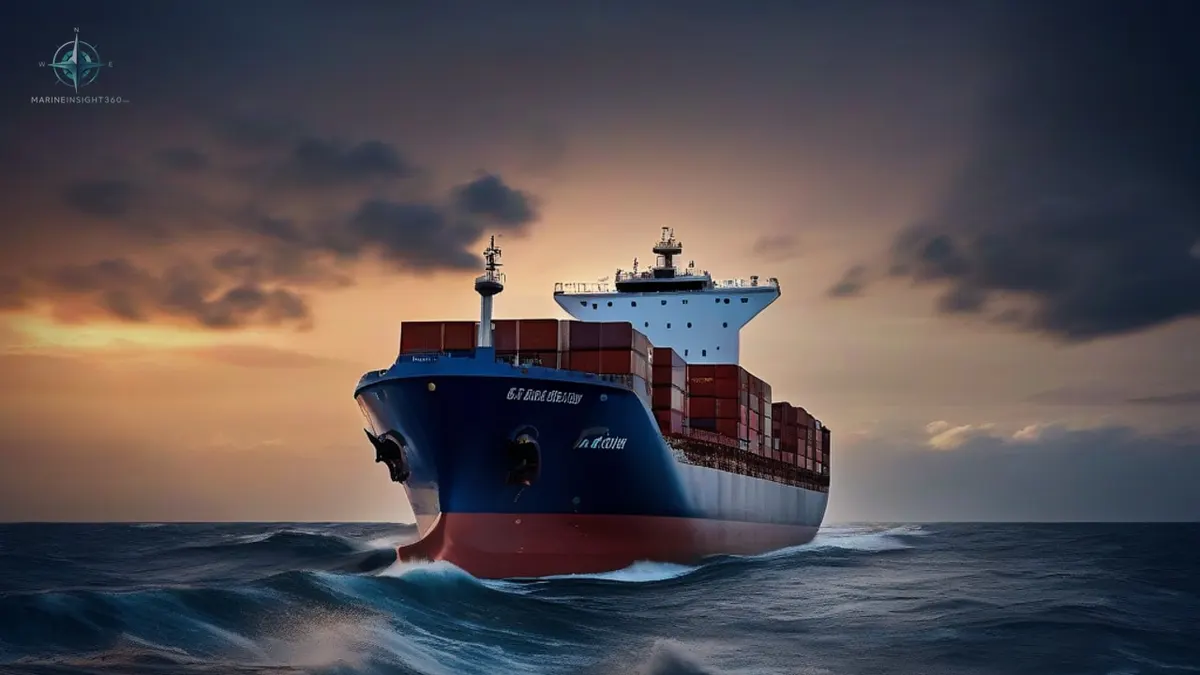
The Bay of Biscay is the stretch of North Atlantic between western France and northern Spain, a location sailors know for violent storms and rough seas, with winter gusts often above 113 km/h.
TheBay of Biscay,with an area of 223,000 square kilometers, is a large area of the North Atlantic Ocean located on the western coast of Europe. It borders France to the east and Spain to the south. The Celtic Sea is located to the north of the Bay of Biscay. The southern part of the Bay of Biscay is often called the Cantabrian Sea.
What is the origin of it?
The name Bay of Biscay refers to the western Basque region (Vizcaya) located on the northern coast of Spain. In the 1st century BC, the Romans called it Sinus Cantabrorum and Mare Gallaecum. The Bay of Biscay is also known as the Bay of Gascony (French), the Bay of Biscay (Spanish), the Bay of Gascony (Occitan), the Bay of Biscay (Asturian), and the Bay of Biscay (Galician).
Geographical Data
The maximum depth of the Bay of Biscay is 4,735 meters, and the average depth is estimated to be 1,744 meters. Since the continental shelf extends into the waters of the Bay of Biscay, most of the waters of the Bay are relatively shallow. The main rivers that flow into the Bay of Biscay are the Adour, Bidasso, Charente, Dordogne, Garonne, Loire, etc.
The Bay of Biscay is well known to sailors for its violent storms and rough seas. The Gulf of Mexico experiences the worst weather conditions in the Atlantic Ocean, especially in winter. Between October and March, gusts often exceed 113 km/h. In early summer and late spring, the southwestern part of the Gulf of Mexico is covered by large areas of dense triangular fog.
What marine life is found in the Bay of Biscay?
The Bay of Biscay is home to a variety of fish such as herring, starlings, anchovies, European eels, sardines, minnows, and horse mackerels. Scaleless dragonfish are common in the Bay of Biscay. There are also many seabirds such as pelicans, as well as various marine mammals such as short-beaked common dolphins, striped dolphins, porpoises, sperm whales, beaked whales, etc.
Historical Overview
The Grande Plage Beach in Biarritz, France, is located on the Bay of Biscay. It is a popular tourist destination for French families. The Bay of Biscay was the site of numerous naval battles, such as the Battle of Biscay in 1592, the Battle of Biscay in June 1795, and the Battle of Biscay in 1793. The 1592 battle was between Spain and England, while the 1795 battle was between England and France.
The 1943 battle was part of Operation Stonewall in World War II, and was fought between the aircraft carriers USS Glasgow and USS Enterprise against a fleet of German battleships. The German submarine U-667 was destroyed and sunk in the Bay of Biscay. German soldiers called the bay "Death Valley" because the British Royal Air Force sank more than 70 German submarines in the waters. Many other ships were also sunk in the waters of the bay. These ships include the USS California (1918), the USS Africa (1920), and the Soviet submarine K-8 (1970).
The main ports on the Bay of Biscay are Avilés, Bilbao, Gijón, Santander in Spain, and Bayonne, Brest, La Rochelle, Bordeaux, and Nantes in France. Many French resorts, such as Biarritz, La Baule, and Saint-Jean-de-Luz, are also located on the coast of the Bay of Biscay.
Operational context
Recommended Reading
Why Is the Bay of Biscay Dangerous for Ships?
Bay of Biscay or Golfe de Gascogne in French and Damage Cantábrico in Spanish, could be a Bay of the northeast Atlantic Sea found south of the Celtic…
Iran retaliates with missiles and drones, defying Trump’s warning
Learn iran with practical maritime context, safety checks, operational guidance and related resources for global shipping readers.
Hapag-Lloyd Invests in APM Terminals Rotterdam to Drive Growth
Hapag‑Lloyd’s new stake in APM Terminals Rotterdam aims to expand capacity, improve hinterland links and enhance crew efficiency in Europe’s busiest port.