
Duties of a 4th Engineer on a Ships
Duties of a 4th Engineer on a Ships: ports, trade and shipping-market context for US, UK, Canada, Australia, Singapore and European maritime readers.
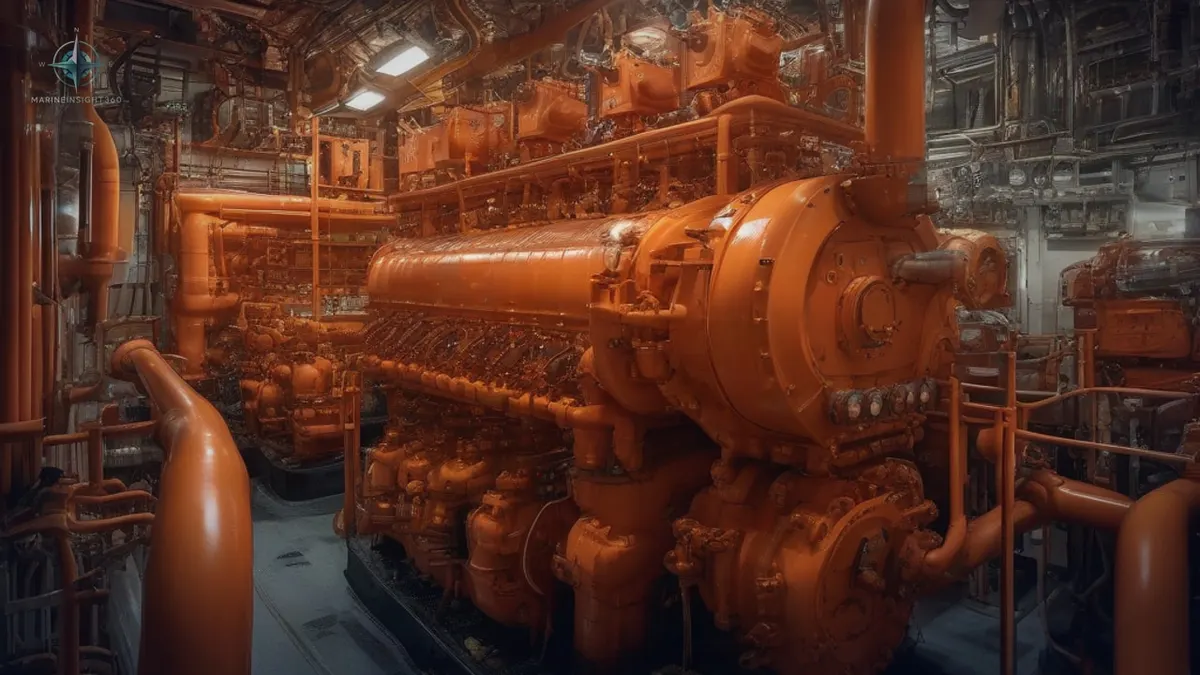
The duties of a 4th engineer are set according to the policies of major shipping firms. Additionally, seafarers joining any vessel have to be properly qualified and experienced. Joining a ship being a fourth engineer is the first step toward a sailing career on the ship. Additionally, it is only after taking up a job as a fourth engineer that a mariner experiences real work on a ship.
Though a fourth engineer, prior joining the ship has cleared the needed exams and training courses. Moreover, it is appreciated that the training part becomes a continuous process and there is always a requirement for refresher work and periodical safety education.
Duties of 4th Engineer by Default
On all types of ships, regardless of the shipping company, a 4th engineer has to report to the 2nd Engineer, who has to assign the tasks to him, both at sea also at port, and whose directions he or she shall consider effective and binding as though coming from the Chief Engineer. Moreover, the 4th engineer needs to also assist the 2nd engineer when needed in carrying out the work of the latter.
Duties of 4th Engineer Upon Joining a Vessel
A 4th engineer, when joining a vessel, should carry out the following duties.
- Upon joining a ship, the relieving 4th engineer shall report he is on duty on board to the Chief Engineer or if he is not there to the 2nd Engineer.
- The 4th engineer has to take a proper round of the engine department with the signing off engineer and do a professional taking over of the duties.
- He should check the inventory and placement of all purifier and compressor spares.
- The engineer should check the Inventory and location of pumps spares and tools.
- They need to check the running hours and maintenance schedule of their designated machinery.
- An engineer will check the general condition of the machinery. Additionally, special procedures for operation.
- Remember to check the condition and design of the bunkering system, including valve operation, tanks, and sounding pipe placement.
- The condition and design of the sludge and bilge discharge system, including valves and pump operation, also need to be checked.
- Thorough sounding of the right fuel tanks, bilge, and sludge tank should be taken.
- It is important to check that we use lube oil, fuel oil, marine diesel or gas oil, and cylinder oil daily for regular record keeping in the sounding log.
- Daily production of bilge and waste on board for record keeping of waste water sounding log.
After ending of the engine room round together. Furthermore, the 4th engineer would report the details to the 2nd engineer the notify discrepancies noticed, if any.
The 4th Engineer Running the Purifier
Compressor and machinery other than the lead engine, auxiliary engine and boiler is responsible for:
- Record keeping of machinery working hours under his charge.
- Carrying out routine maintenance routines under the control and guidance of the chief or second engineer.
- Going for daily tank sounding of fuel oil, diesel fuel, lube, and cylinder oil on the ship and record keeping of the same.
- Record keeping of sludge and bilge on board.
- Working as an assistant in charge to the chief engineer for operation during bunker of fuel, diesel, and lube oil.
- Finishing the month-end official papers for his designated machinery.
- Obeying of environment policy and MARPOL requirements under the guidance of the Chief Engineer.
- Checking and up keeping of the engine room log book and all those files on board guided by the Chief Engineer.
The above-said duties are the basic requirements for any 4th engineer going on board. Additionally, duties might be subtracted or added on the basis of the kind of the ship and shipping company.
Career planning context
For cadets, ratings and officers, duties should be read alongside current company requirements, flag-state rules, medical fitness standards and training-provider instructions. The pathway can change by country, rank, vessel type and previous sea service, so candidates should verify documents before paying fees or accepting a joining offer.
Recommended Reading

Duties of a Marine Engineer in the Merchant Navy
Duties of a Marine Engineer in the Merchant Navy: technology, equipment and fleet context for US, UK, Canada, Australia, Singapore and European...

Duties of 2nd Engineer on Ship
Duties of 2nd Engineer on Ship: career, certification and hiring context for US, UK, Canada, Australia, Singapore and European maritime readers.
Duties of 3rd Engineer in the Merchant Navy
Duties of 3rd Engineer in the Merchant Navy: technology, equipment and fleet context for US, UK, Canada, Australia, Singapore and European maritime...