
Shipowner Responsibilities in Maritime Trade
Shipowner Responsibilities in Maritime Trade: ports, trade and shipping-market context for US, UK, Canada, Australia, Singapore and European maritime...
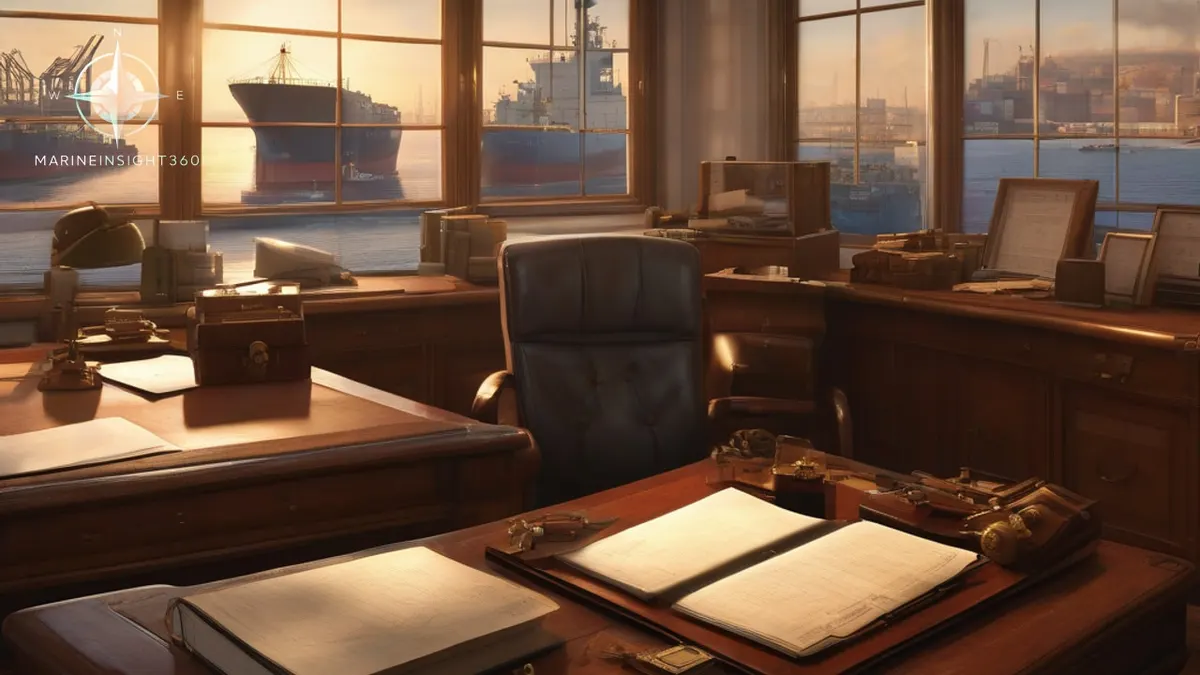
A shipowner is responsible for far more than owning an asset. In maritime trade, the owner must keep the vessel seaworthy, commercially ready, properly crewed and compliant with the rules that apply to the ship, cargo and voyage. Charterers, masters, managers and agents all play important roles, but the owner's decisions shape the vessel's safety culture, maintenance standards and financial reliability.
This guide explains the main shipowner responsibilities that matter in day-to-day trade. It is written for seafarers, cadets, shipping staff and small operators who want a practical view of what a responsible owner should control before a vessel carries cargo.
Keep the vessel seaworthy
Seaworthiness is the foundation of every voyage. A ship should be structurally sound, properly maintained, adequately equipped and fit for the cargo and route. This includes the hull, machinery, cargo gear, navigation equipment, lifesaving appliances, fire detection systems and emergency arrangements.
In practice, shipowners usually rely on technical managers, classification society surveys, flag-state certification and planned maintenance systems. That does not remove the owner's responsibility. If maintenance is delayed, certificates are allowed to expire or critical defects are ignored, the commercial and legal risk comes back to the ownership side.
Provide competent crew and safe working conditions
A ship cannot operate safely without trained crew. Shipowners must ensure the vessel is manned according to the safe manning document and that crew members hold the certificates required for their rank and duties. Training, rest hours, safety familiarisation and medical fitness all affect operational safety.
For ratings and officers, this means the owner and manager should support proper watchkeeping, toolbox meetings, drills and reporting of hazards. Crew should not be pushed into unsafe shortcuts to meet a schedule. A vessel with poor rest, weak supervision or inadequate stores can become unsafe even if the certificates look correct.
Maintain compliance with maritime rules
Shipowners must operate within the rules that apply to the vessel. Depending on ship type and trade, this may include requirements connected with SOLAS, MARPOL, STCW, the ISM Code, port state control, flag-state rules and classification society conditions. The owner does not need to personally handle every inspection, but the company must have a system that keeps compliance visible.
Strong owners track certificate dates, survey windows, deficiencies, corrective actions, oil record book procedures, garbage handling, ballast operations and safety management audits. Good compliance is not paperwork for its own sake. It protects crew, cargo, the marine environment and the owner's right to keep trading.
Protect cargo and commercial performance
In maritime trade, a shipowner must provide a vessel that can perform the voyage agreed under the charter party or contract of carriage. That includes cargo readiness, suitable holds or tanks, reliable cargo gear, correct documentation and cooperation with charterers, agents and terminals.
Owners also need to manage delays, off-hire risk, bunker planning, port restrictions and voyage instructions. A badly prepared vessel can cause cargo claims, demurrage disputes, lost charter income and damage to reputation. Commercial performance depends on the same discipline as safety: maintenance, planning and honest communication.
Carry proper insurance and financial support
Ships carry high-value cargo, fuel, machinery and environmental risk. Responsible owners arrange appropriate insurance, usually including hull and machinery cover and protection and indemnity cover. They also need enough financial support to pay for repairs, crew wages, port costs, spares and emergency response.
Insurance is not a replacement for safe operation. Claims can be challenged when poor maintenance, unsafe loading, missing certificates or careless navigation contribute to a loss. The owner should treat insurance as a backstop, not as a substitute for control.
Common mistakes
- Thinking compliance ends when a certificate is issued. Conditions, audits and crew practice matter throughout the voyage.
- Cutting maintenance to protect short-term cash flow. Deferred repairs often return as off-hire, detention or machinery failure.
- Leaving crew welfare to the last moment. Fatigue, poor stores and weak communication can create safety and retention problems.
- Ignoring cargo-specific risks. Tankers, bulk carriers, container ships and offshore vessels each need different preparation.
Recommended Reading
Ro-Ro Ships: How Roll-On Roll-Off Vessels Work and Why They Dominate Vehicle Trade
How ro-ro ships work: ramps, decks and lane meters, the difference between PCTC, ConRo and RoPax types, and the stability risks unique to roll-on roll-off.
The 7 Types of Cargo Ships That Carry World Trade
The seven types of cargo ships and what each carries: container ships, bulk carriers, tankers, gas carriers, ro-ro, general cargo and reefer vessels.
The World's Major Sea Routes: Where Global Trade Actually Sails
The sea routes that carry world trade: Asia-Europe, transpacific, transatlantic and the chokepoints they squeeze through, from Suez to Malacca to Panama.