
Ro-Ro Ships: How Roll-On Roll-Off Vessels Work and Why They Dominate Vehicle Trade
How ro-ro ships work: ramps, decks and lane meters, the difference between PCTC, ConRo and RoPax types, and the stability risks unique to roll-on roll-off.
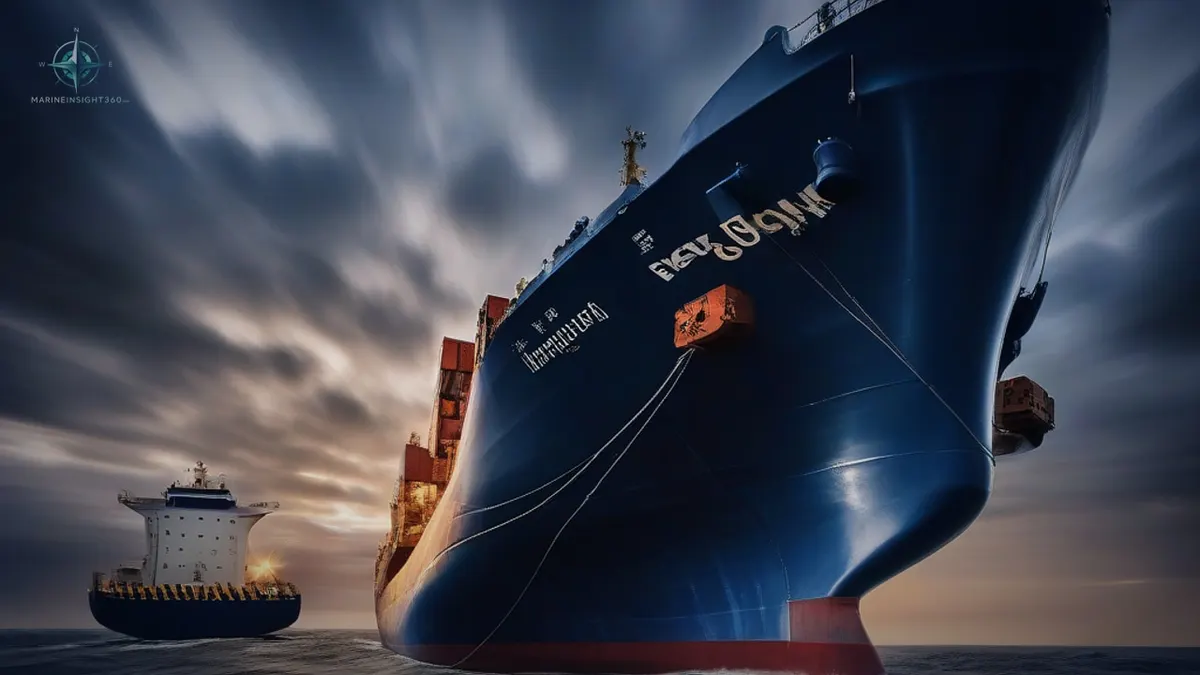
A ro-ro ship is a roll-on roll-off vessel whose cargo is wheeled aboard over ramps, which turns a port call for cars, trucks and heavy machinery into a driving job rather than a crane job.
A ro-ro ship, short for roll-on roll-off, carries wheeled cargo that drives on and off the vessel over ramps instead of being lifted aboard by crane. Cars, trucks, buses, trailers and construction machinery roll up the stern or quarter ramp, park on internal decks, and get lashed down for the voyage.
The idea sounds simple, and that simplicity is the business case. No cranes, no container stuffing, no lifting gear on the cargo itself: a port stay becomes a parking operation, and a modern vehicle carrier can load thousands of cars in a working day.
How a Ro-Ro Ship Is Built for Its Job
The hull is a multi-story parking garage. Continuous vehicle decks run the length of the ship, connected by internal ramps, with hoistable or liftable decks that adjust height for taller cargo. The stern ramp, sometimes angled as a quarter ramp to suit different quay layouts, is strong enough for heavy machinery and doubles as the watertight door that seals the hull at sea.
Capacity is measured in lane meters, the total length of deck lanes available to cargo, and for pure car carriers in CEU, car equivalent units. Ventilation systems clear exhaust fumes while hundreds of engines run during cargo work, and fixed fire systems cover decks packed with fuel-carrying vehicles.
Cargo that cannot drive gets rolled anyway. Terminal tractors, often called tugmasters, tow low roll trailers known as mafis under static cargo, from transformers to yacht cradles. Specialist drivers park units bumper to bumper with centimeters to spare. Every unit is then lashed to deck sockets on a pattern matched to its weight and the forecast, because at sea the deck moves and the cargo must not.
The Ro-Ro Family: PCC, PCTC, ConRo and RoPax
- Pure car carriers (PCC) and pure car and truck carriers (PCTC) : the boxy giants of the vehicle trade, built to move new cars and high-and-heavy machinery between continents.
- ConRo ships split the hull: ro-ro decks below or aft for wheeled cargo, container cells and deck stacks elsewhere, serving trades that need both.
- RoPax ferries combine vehicle decks with passenger accommodation, running the short-sea routes where trucks, tourists and trailers share one ship.
- General ro-ro freighters carry trailers, project cargo and anything else that can roll or be towed aboard on a mafi trailer.
Ro-Ro Versus Lift-On Lift-Off
Lift-on lift-off (lo-lo) ships need cranes to move every unit; a ro-ro ship needs a ramp and a driver. That trade favors ro-ro wherever the cargo has wheels, the schedule is tight, or ports lack heavy cranes. The price is space efficiency: lanes, ramps and deck heights waste volume a container ship would fill, so ro-ro freight rates per ton run higher. For self-propelled cargo, nothing else competes; for boxed freight, containers win.
The Risks Unique to Roll-On Roll-Off
The same open decks that make ro-ro efficient make it unforgiving. Water on a vehicle deck sloshes as free surface. A few centimeters across one huge deck degrades stability out of all proportion to its weight. That is why ramp and door integrity is treated as a life-safety system, and why door failures figure in some of the industry's hardest-learned casualties. Cargo lashing carries the same weight: a shifted trailer in heavy weather endangers the ship, not just the cargo.
Fire rounds out the list. Vehicle decks concentrate fuel tanks, batteries and, increasingly, electric vehicles in one ventilated space, so crews drill hard on early detection, boundary cooling and fixed-system discharge. Modern ro-ro safety practice is a direct answer to each of these risks.
Where Ro-Ro Fits in the Freight Market
Deep-sea vehicle carriers link the auto-manufacturing centers of Asia and Europe with import markets worldwide, while short-sea ro-ro and RoPax networks function as floating highway bridges, keeping trailer freight moving across straits and seas. When new-car exports surge, the PCTC market tightens fast because these ships take years to build and suit no other trade.
The same ships moonlight beyond the car trade. Governments charter ro-ro tonnage for military and disaster-relief lifts, precisely because ramps work where port cranes do not. Project forwarders book lane meters for anything on wheels or a trailer, from rail cars to harvest machinery. Flexibility, not elegance, is what the market pays for.
The unresolved question on these ships is fire. Fixed systems on vehicle decks were specified for cargo that burns like petrol and diesel, and the industry has not settled what changes when a substantial share of the deck is battery-electric instead — detection timing, suppression method and whether a deck fire can be fought at all are all still being argued between class societies, insurers and operators. If you sail on car carriers, that debate is about your deck. Cargo that cannot drive still rolls, on the same terminals that handle boxes, and ro-ro sits alongside the rest of the cargo fleet.
Recommended Reading
The 7 Types of Cargo Ships That Carry World Trade
The seven types of cargo ships and what each carries: container ships, bulk carriers, tankers, gas carriers, ro-ro, general cargo and reefer vessels.
The World's Major Sea Routes: Where Global Trade Actually Sails
The sea routes that carry world trade: Asia-Europe, transpacific, transatlantic and the chokepoints they squeeze through, from Suez to Malacca to Panama.
Marine Scrubbers: Types, How They Work and Where the Rules Are Tightening
How marine scrubbers strip sulfur from ship exhaust, the difference between open-loop, closed-loop and hybrid systems, and where washwater discharge is banned.