
Can I Work On A Ship With No Experience?
Working on a ship can be an exciting and rewarding career path. This is especially true for individuals looking to explore the world while earning a living.
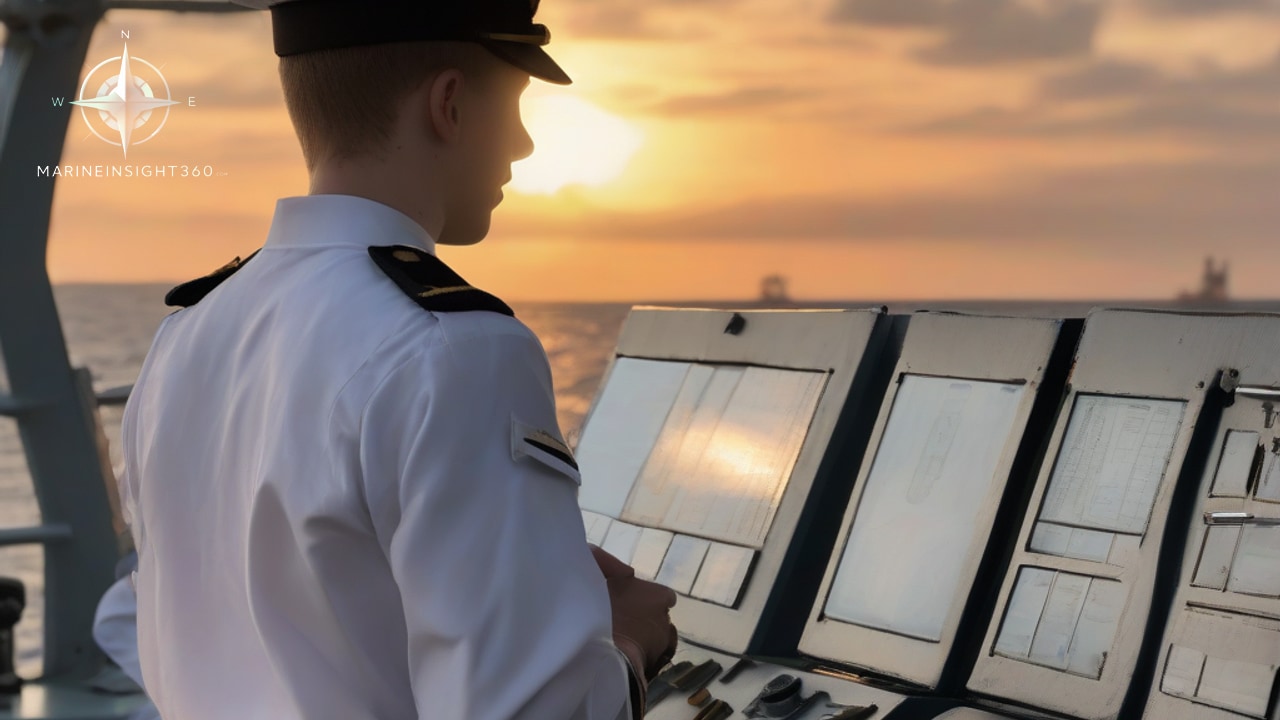
Working on a ship can be a good career path, especially if you want to see the world while earning a living. If you have no background in the maritime industry, the short answer is yes, you can get a job at sea without prior experience. This article covers the requirements, the training you need and the entry-level jobs open to beginners.
Introduction to Working on Ships
Overview of the Maritime Industry
Ship work covers a lot more than chipping paint on deck. The industry has roles to suit different skills and interests, on everything from cargo ships and tankers to cruise ships, ferries and private yachts.
Types of Jobs Available on Ships
Besides the captain and deck crew, ships carry engineers, cooks, electricians, stewards and, on passenger ships, hundreds of hotel and entertainment staff. Some of these jobs need years of training and a certificate of competency. Others take people with no sea experience at all.
Requirements for Working on a Ship with No Experience
Age and Health Requirements
Under the Maritime Labour Convention the minimum age for working on a ship is 16, and 18 for night work and hazardous jobs. There is no general upper age limit for working at sea, although cadet programmes and some companies set their own. Everyone on board needs a valid seafarer medical certificate, such as the UK ENG1 or an equivalent approved by your flag state, which confirms you are fit for the physical demands of the job, including eyesight and hearing.
Background Checks and Security Clearance
Expect background checks. You will need a valid passport, usually a seafarer's identity document or discharge book, and in many cases visas for the countries the ship visits, such as the US C1/D crew visa. A criminal record can stop you getting those documents or being hired, so check before you spend money on training.
Training and Certifications Needed
STCW Certification
STCW is the International Convention on Standards of Training, Certification and Watchkeeping for Seafarers. It sets the minimum training that every seafarer must have, and almost every job at sea, from deckhand to waiter on a cruise ship, needs at least the STCW basic training described below.
Basic Safety Training Courses
STCW Basic Safety Training is a short course, usually about a week, taken at an approved training centre. It covers personal survival techniques, fire prevention and firefighting, elementary first aid, and personal safety and social responsibilities. Most employers also expect a security awareness course. You learn how to use lifejackets, liferafts and firefighting equipment and what to do in an emergency.
Entry-Level Job Opportunities on Ships
Deckhand Positions
Deckhands, or deck ratings, do much of the physical work on board, from handling mooring lines to cargo work, maintenance and keeping lookout. It is hard, hands-on work and a direct way to learn about life at sea. Many start as ordinary seamen on cargo ships or as deckhands on yachts.
Galley Assistant Roles
If you can cook, or are willing to learn, a galley assistant or messman job is another way in. The work is preparing food, washing up and keeping the galley and mess rooms clean, and on a ship where meals are the main break in the day it matters to the whole crew.
Advantages and Challenges of Working on a Ship with No Experience
Pros of Starting a Career at Sea
A job at sea lets you travel, earn and learn new skills at the same time. Food and accommodation are provided on board, so much of what you earn can be saved. Coming in without experience also means you learn the job the way that ship does it, without old habits to unlearn.
Common Challenges Faced by Beginners
The first contract is usually the hardest. You have to adjust to months away from home, long working days, shift patterns and living in tight quarters with a crew from many countries. Learning the safety procedures and regulations takes time as well, and seasickness hits most beginners at some point.
Tips for Landing a Job on a Ship with No Experience
Networking in the Maritime Industry
Contacts help. Talk to people who already work at sea, join seafarer groups online, and approach licensed manning agencies and shipping companies directly. Never pay an agency for a job: under the Maritime Labour Convention, recruitment services may not charge seafarers for finding them work.
Preparing a Strong Resume and Cover Letter
With no sea experience, put the weight on skills that transfer: teamwork, practical or trade skills, hospitality or kitchen work, and any experience living or working away from home. List your STCW certificates and medical clearly, and make it obvious you are willing to learn.
Career Growth and Development in the Maritime Industry
Potential Paths for Advancement
With sea time and further certificates, a rating can qualify as an able seaman or motorman, and with enough sea service and exams can sit for an officer's certificate of competency and eventually work up to master or chief engineer.
Further Education and Specializations in Maritime Careers
For faster progress, consider formal study in marine engineering or navigation through a cadetship, or later move into specialist fields such as maritime law, surveying or ship management ashore.
Getting a job on a ship with no experience takes some preparation: the right medical, STCW basic training, a clean record and some patience while you apply.
Recommended Reading
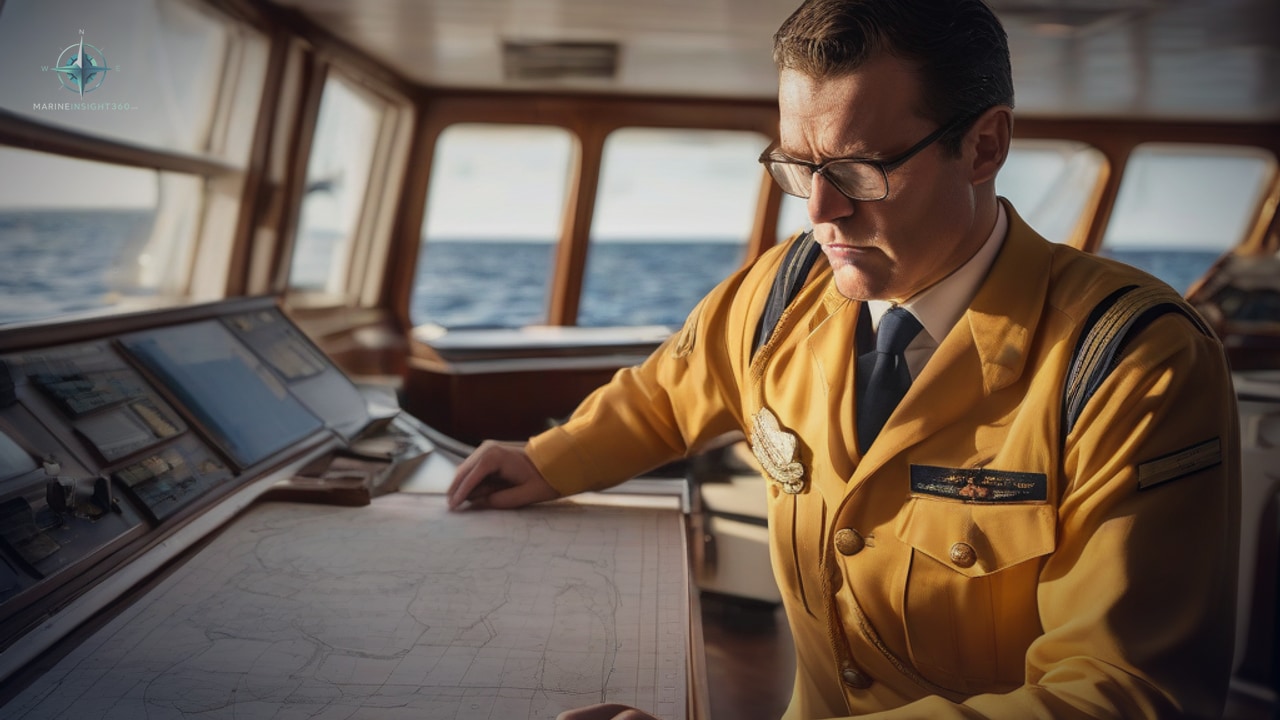
What Is The Merchant Marine Salary After 5 Years' Experience?
Joining the Merchant Navy opens the door to exciting adventures and generous salaries around the world.
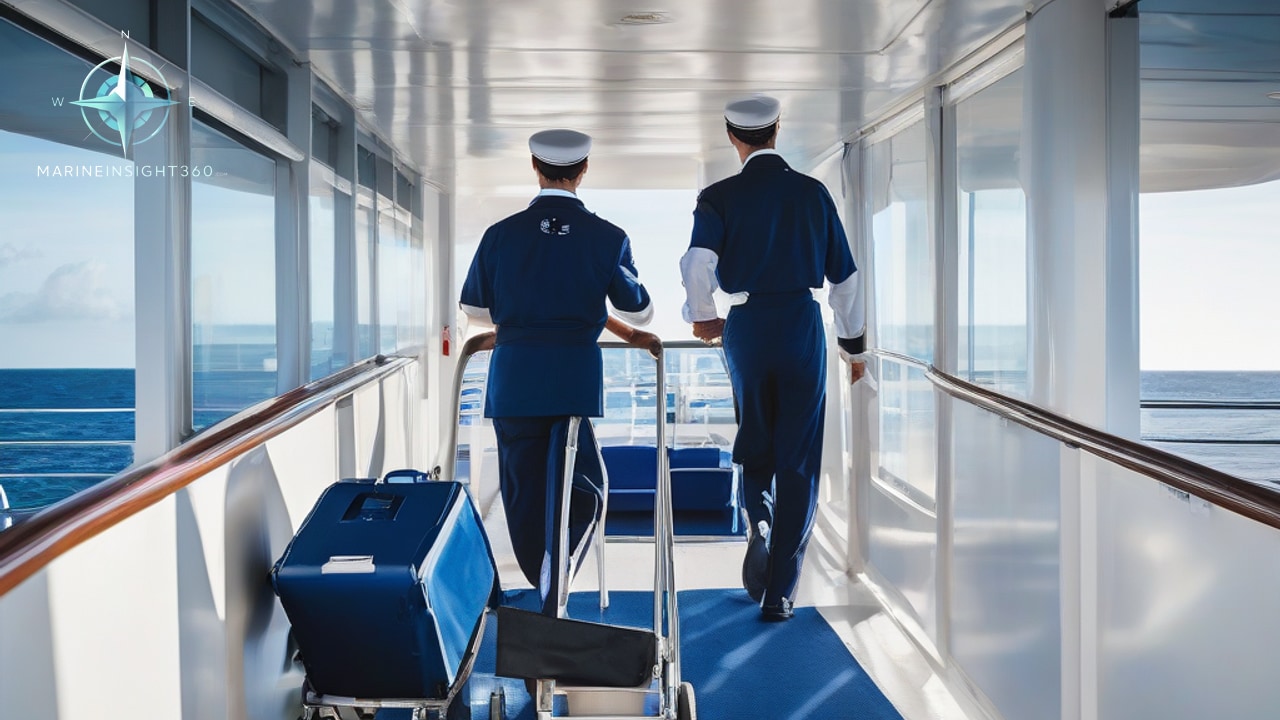
5 Jobs on a Cruise Ship Requiring No Prior Experience
Embarking on a career working aboard a cruise ship can be a thrilling and rewarding experience. It offers you the chance to travel the world while gaining valuable skills and experience.
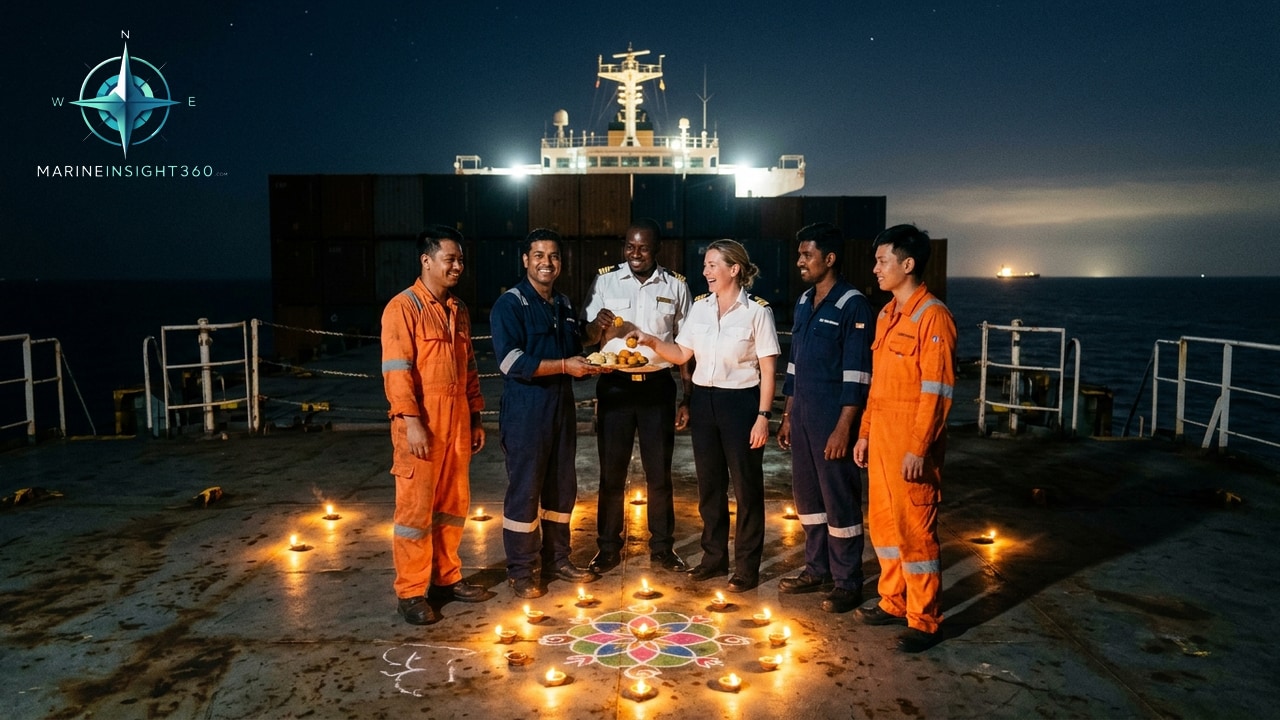
Diwali at Sea: Far from Home, Together as One Crew
What Diwali looks like on a merchant ship: a crew of different faiths and nationalities celebrating together, thousands of miles from home.