
How to Become a Mariner: The Two Real Routes to Sea
Two routes into a seagoing career: entry-level rating or officer cadet. Credentials, medicals, STCW courses, timelines and real costs in the US and UK.
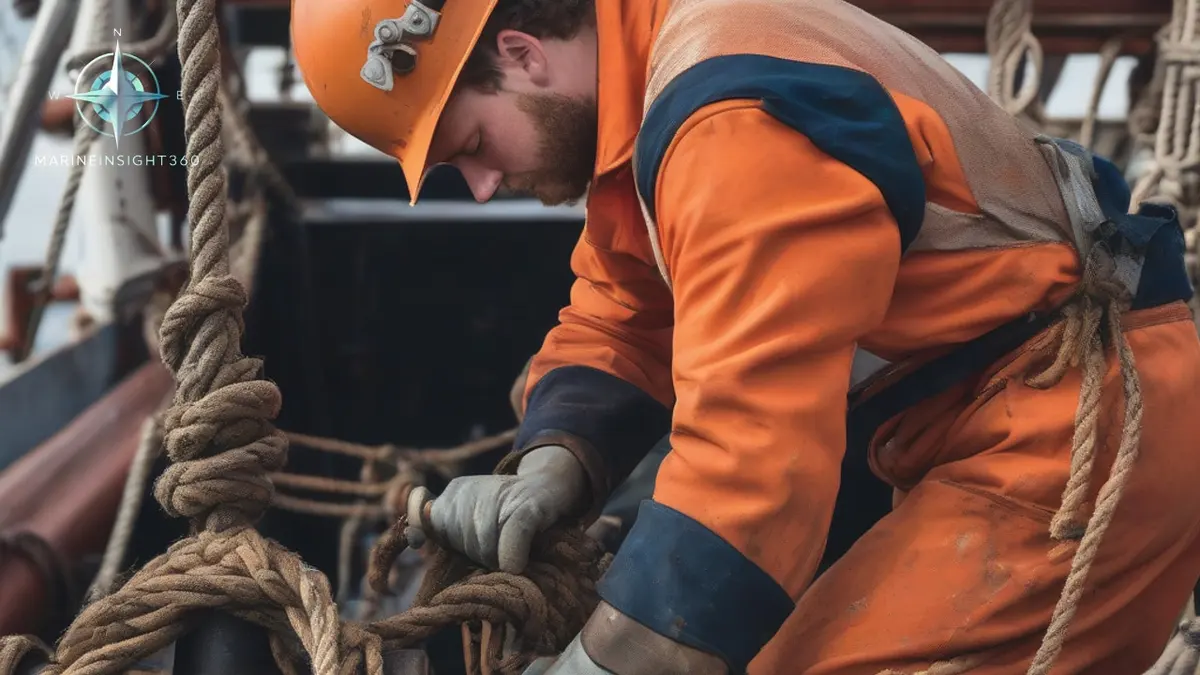
How to become a mariner is a choice between two entry routes, and which one you take on day one shapes the next decade.
You can enter as a rating, which needs no sea time and no degree, gets you aboard within months and lets you work up through experience and examinations. Or you can enter as an officer cadet, which takes three to four years of combined college and sea phases and ends with a licence to stand a watch. Both are legitimate careers. They are not interchangeable.
Everything else in the process is paperwork with a fixed order: a medical certificate, a background credential, mandatory safety training under STCW, and then the national credential itself. Miss the order and applications stall for months.
Route one: entering as a rating
The rating route is the fastest way to a paid job at sea. In the United States an entry-level Merchant Mariner Credential carries the Ordinary Seafarer, Wiper and Food Handler endorsements, covering the deck, engine and steward departments respectively. None of them require prior sea service.
The sequence is straightforward. Apply for a Transportation Worker Identification Credential, which is required for unescorted access to secure port areas and vessels regulated under the Maritime Transportation Security Act. Take a chemical test for dangerous drugs within the six months before applying. Complete a medical examination on the Coast Guard form and hold a valid Medical Certificate.
Then submit the MMC application to a Regional Exam Center, which verifies it and forwards it to the National Maritime Center. Evaluation and issuance fees for an entry-level credential are modest, in the region of a hundred and fifty dollars.
In the UK the equivalent starting point is a rating apprenticeship or a direct rating job with a company, backed by an ENG1 seafarer medical certificate and the basic safety training package. Ratings progressing toward an officer certificate need documented sea service and the relevant support-level certification.
Route two: the officer cadetship
Officer cadets train toward a Certificate of Competency that permits them to keep a navigational or engineering watch. In the UK, cadets are normally sponsored by a shipping company that covers course fees, pays an allowance and provides the sea phases.
Training alternates between an approved nautical college and time aboard, and cadets keep a Training Record Book that evidences each competence. The outcome is an Officer of the Watch Unlimited Certificate of Competency issued by the Maritime and Coastguard Agency.
Typical UK entry requirements are age 16 or 18 depending on the programme, GCSE passes including English, mathematics and a science subject with physics preferred, and an ENG1 medical confirming eyesight and general fitness. Colour vision standards are strict for the deck route and catch people out late.
In the United States the officer path runs through the US Merchant Marine Academy at Kings Point or one of the state maritime academies, ending in a bachelor degree, a Third Mate or Third Assistant Engineer licence and an STCW endorsement. There is also a hawsepipe route, where a rating accumulates documented sea service and passes the licence examinations without attending an academy. It is slower and demands real discipline, but it still works.
The training everyone does regardless of route
STCW, the international convention setting minimum training and certification standards for seafarers, requires basic safety training before anyone works at sea. It covers personal survival techniques, fire prevention and firefighting, elementary first aid, and personal safety and social responsibilities. It usually runs about five days and has to be refreshed at intervals.
Beyond that, courses depend on the ship. Tanker familiarisation for oil, chemical or gas carriers. Advanced firefighting, medical care and proficiency in survival craft for officers. Security awareness for all, with designated security duties training for those with a role in the ship security plan. Companies often add their own matrix on top.
What it costs and how long it takes
- Rating, self-funded: credential fees, a medical, a drug test and basic safety training. Weeks to a few months, and a low four-figure sum in most tier-1 markets if you pay for the safety courses yourself.
- Sponsored cadetship: effectively free to the cadet in the UK model, with an allowance paid, in exchange for a training commitment. Three to four years.
- Academy degree route: three to four years and full tuition unless a scholarship or federal programme applies.
- Hawsepipe: years of documented sea service plus examination and course costs, spread out and paid as you go.
Other tier-1 routes worth knowing
Canada issues certificates through Transport Canada, with training at institutions such as the Marine Institute in Newfoundland and BCIT in British Columbia. Australia certificates through AMSA, with cadet programmes tied to sponsoring operators and a strong offshore and coastal trade. Ireland trains at the National Maritime College of Ireland in Cork. Singapore and the Netherlands both run well-regarded academies feeding their own fleets.
Certificates issued by one administration are not automatically valid on another flag. Under STCW, a flag state has to issue an endorsement recognising a foreign certificate before the holder can serve on its ships, so check recognition arrangements before assuming a licence travels.
Mistakes that delay people by a year
Applying for the credential before the medical and security card are in hand is the most common. The application sits incomplete while the clock runs on the drug test validity. Second is failing to check colour vision and hearing standards before paying course fees, since the deck standards in particular are unforgiving.
Third is treating sea time casually. Every day of qualifying service has to be evidenced by a discharge, a sea service letter or an equivalent record naming the vessel, tonnage, propulsion power and trading area. Reconstructing that years later is painful, and undocumented time counts for nothing.
A realistic first step is to book the seafarer medical before anything else, because a fail there ends the plan regardless of route. Our Merchant Navy Careers section covers what each rank actually does once the credential is in hand.
Sources and further reading
- Coast Guard COOL - National Entry Level Ratings
- Apply for a UK Seafarer CoC (Deck and Engineer Officers) - GOV.UK
- Deck Cadet Foundation Degree - Warsash Maritime
- Military to Mariner - MARAD
What to read next
Recommended Reading
What Is Maritime Engineering? The Disciplines, Routes and Real Work
Maritime engineering covers naval architecture, marine engineering and ocean engineering. What each discipline does, and how the sea and shore routes differ.
How to Become a Shipbroker: Desks, Qualifications and Pay
How to become a shipbroker: which desks hire, how the ICS qualifying exams work, how commission and bonus pay is structured, and mistakes that stall careers.
Are Sea Serpents Real? The Animals Behind Sailors Sightings
No verified sea serpent has ever been documented, but oarfish, giant squid, decaying carcasses and sea mirages explain most sightings. Here is the evidence.