
What Is Maritime Engineering? The Disciplines, Routes and Real Work
Maritime engineering covers naval architecture, marine engineering and ocean engineering. What each discipline does, and how the sea and shore routes differ.
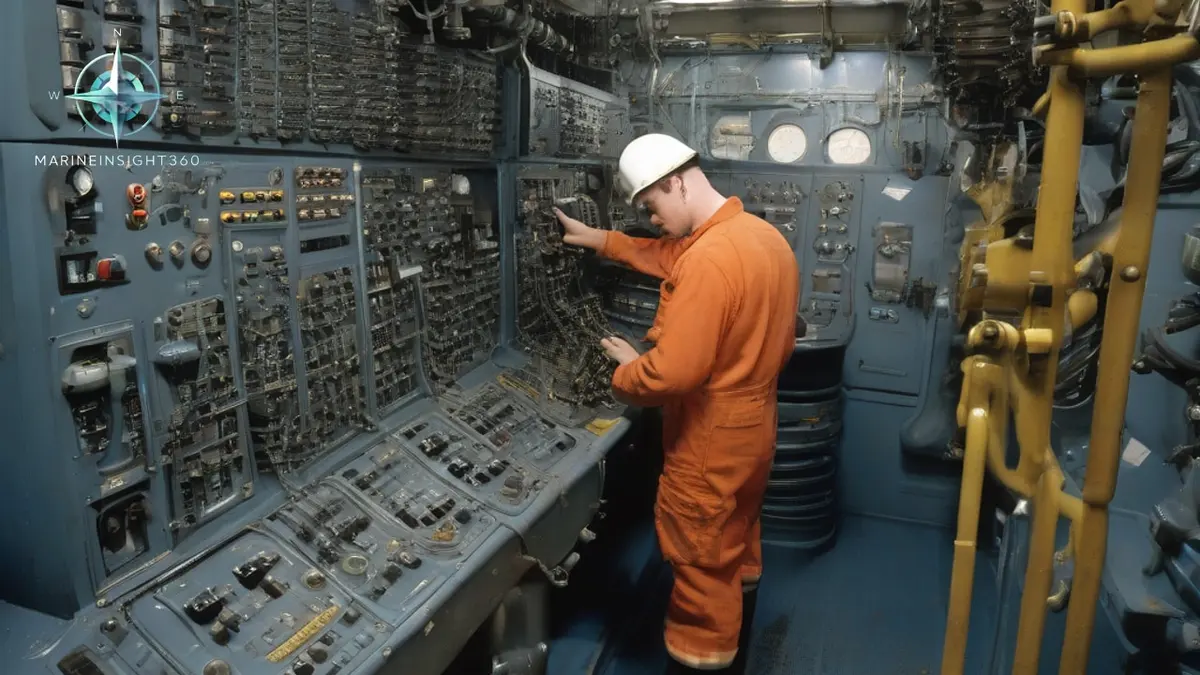
What is maritime engineering? It is the umbrella term for the engineering disciplines that design, build, operate and maintain ships and the structures around them. It splits into three main branches. Naval architecture designs the vessel itself. Marine engineering covers the machinery and systems that make it work. Ocean or offshore engineering handles platforms, subsea systems and coastal structures. A fourth strand, marine electrical and automation engineering, has grown large enough that many operators now treat it separately.
The distinction matters because the three branches lead to different qualifications, different employers and, in the case of marine engineering, a licence that must be earned at sea. Choosing the wrong one costs years.
Naval architecture: designing the hull and its behaviour
Naval architects are responsible for what the ship is, before anything is installed in it. The work covers hull form and resistance, powering prediction, propeller selection, structural scantlings, intact and damaged stability, load line and freeboard, seakeeping and manoeuvring.
Most naval architects work ashore in design offices, shipyards, classification societies and consultancies. The output is drawings, calculations and stability documentation that a flag state and a class society will approve. Ships are getting harder to design rather than easier, because efficiency rules and alternative fuels impose constraints on hull form, tank arrangement and lightship weight that did not exist a decade ago.
Marine engineering: keeping the machinery running
Marine engineering is the operational discipline. On a merchant ship the engine department is responsible for the main propulsion plant, auxiliary generators, boilers and steam systems, fuel and lubricating oil treatment, refrigeration and air conditioning, sewage and oily water treatment, hydraulics for deck machinery, and the electrical distribution that ties it together.
A day at sea for an engineer officer is less dramatic than the recruitment material suggests. It is planned maintenance, purifier overhauls, fuel changeover records, alarm investigation, spare part ordering against a long lead time, and preparation for the next survey. The pressure arrives in bursts: a blackout, a scavenge fire, a main engine that will not start on the pilot's requested manoeuvre.
What has changed in the engine room
- Fuel complexity. Compliant low sulphur fuels, scrubber operation on ships that fitted them, and dual-fuel plants running on LNG or methanol all add procedures that did not exist on a single-fuel heavy oil ship.
- Efficiency reporting. Carbon intensity and efficiency requirements have pulled the chief engineer into commercial decisions about speed, trim, hull cleaning and shaft power limitation.
- Automation. Unmanned machinery space operation shifts the work toward condition monitoring, alarm management and fault diagnosis on control systems rather than continuous watchkeeping.
- Electrical load. Larger auxiliary loads, shore power connections and battery hybrid arrangements mean electrical competence is no longer a specialism that one officer holds alone.
Ocean and offshore engineering: everything that is not a ship
Ocean engineering covers fixed and floating offshore platforms, subsea pipelines and risers, mooring systems, submersibles and remotely operated vehicles, port and coastal structures, and increasingly offshore wind foundations and cable installation. It borrows from civil, structural and geotechnical engineering as much as from ship design.
The environment drives the discipline. Wave loading, current, scour, corrosion and fatigue over a twenty five year design life dominate the calculations, and inspection access is difficult and expensive. Offshore wind has become the volume employer in this branch across northern Europe, the United Kingdom and the United States east coast.
The two entry routes, and how to choose between them
There is a shore route and a sea route, and they are not interchangeable.
The shore route is a university degree in naval architecture, marine engineering or ocean engineering, followed by graduate work in a design office, yard, class society or consultancy, and professional registration through the relevant national engineering institution. It leads to design authority, not to a licence to run machinery at sea.
The sea route is a cadetship with a shipping company or an academy, combining college phases with supervised sea service, leading to a certificate of competency as an engineer officer. In the United States that is a Coast Guard licence held with a Merchant Mariner Credential, typically through a state or federal maritime academy. In the United Kingdom it is an MCA Certificate of Competency, starting at engineer officer of the watch.
Australia works through AMSA, Canada through Transport Canada, and all of them sit under STCW, the international convention that sets minimum training and certification standards for seafarers.
Decision criteria that actually matter
- Do you want a licence or a degree? A certificate of competency is earned through documented sea time and cannot be shortened by academic performance. A design career cannot be started at sea.
- How long do you want to sail? Most engineer officers come ashore eventually. Sea time converts well into superintendency, technical management, class surveying, marine insurance and vetting.
- Which market will you work in? Certificates are issued by flag states and recognised through endorsements. Check recognition arrangements before committing to a training route in a country you do not intend to work from.
- What is the medical and eyesight standard? Seagoing routes require an unrestricted seafarer medical. Failing it later is an expensive way to find out.
Where the demand sits now
Alternative fuel conversions, offshore wind construction and support, and the replacement of an ageing officer population are the three drivers behind current hiring in tier one markets. Engineers with dual-fuel experience, high voltage endorsements and electrical or automation depth are the hardest group to replace, and that shows in the terms operators are prepared to offer.
To compare specific certification pathways and sea time requirements by country, work through the Merchant Navy Careers section on Marine Insight 360 before applying to a cadetship.
Sources and further reading
- Naval architecture
- Naval Architecture vs Naval Engineering vs Marine Engineering vs Ocean Engineering
- Naval Architecture and Ocean Engineering FAQ, US Naval Academy
What to read next
Recommended Reading
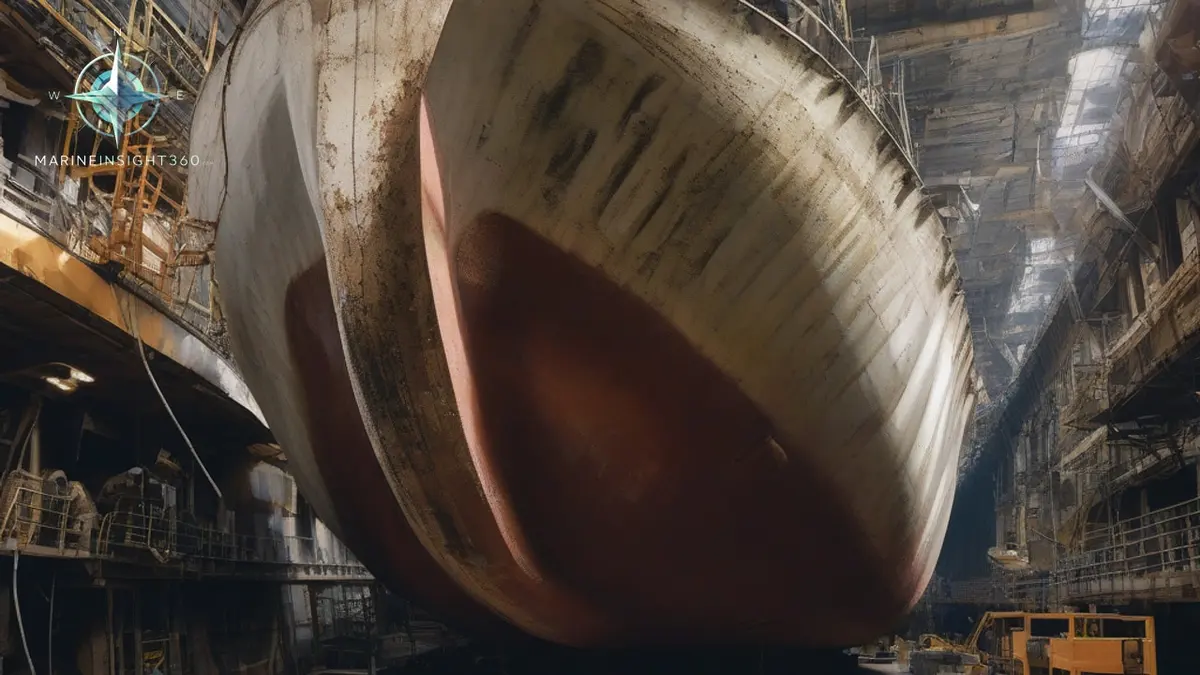
Naval Architecture and Marine Engineering: Two Disciplines, One Ship
Naval architecture and marine engineering split a ship between hull and machinery. Here is what each discipline owns, the degree route and career paths.
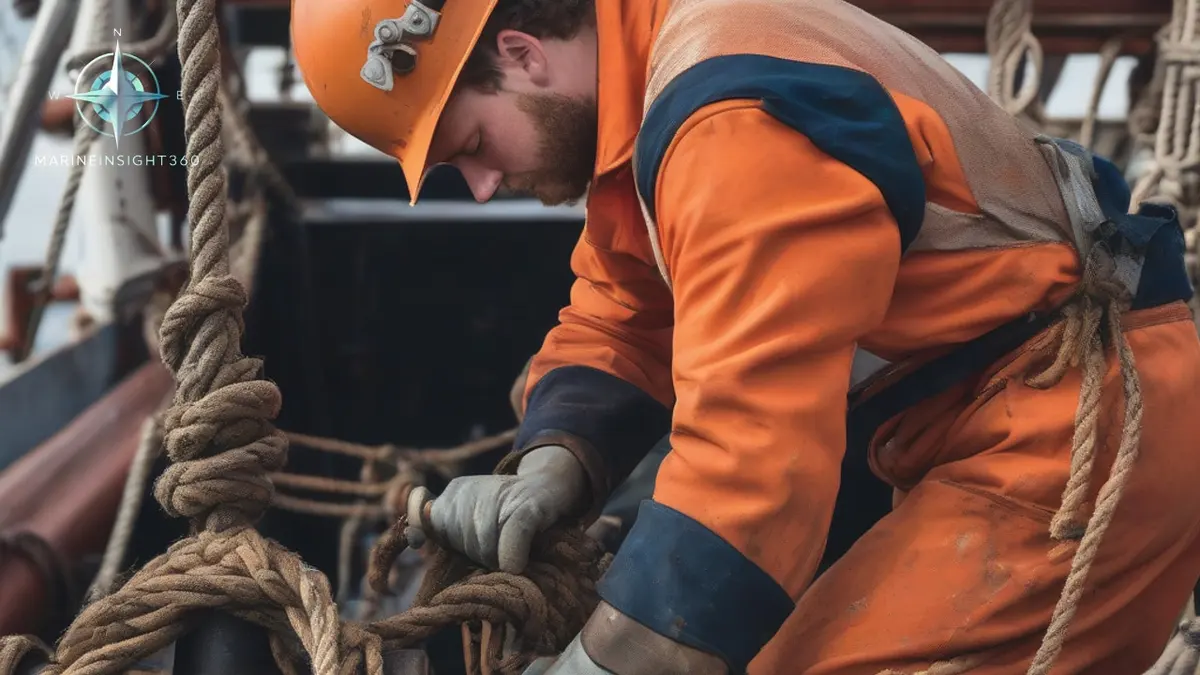
How to Become a Mariner: The Two Real Routes to Sea
Two routes into a seagoing career: entry-level rating or officer cadet. Credentials, medicals, STCW courses, timelines and real costs in the US and UK.
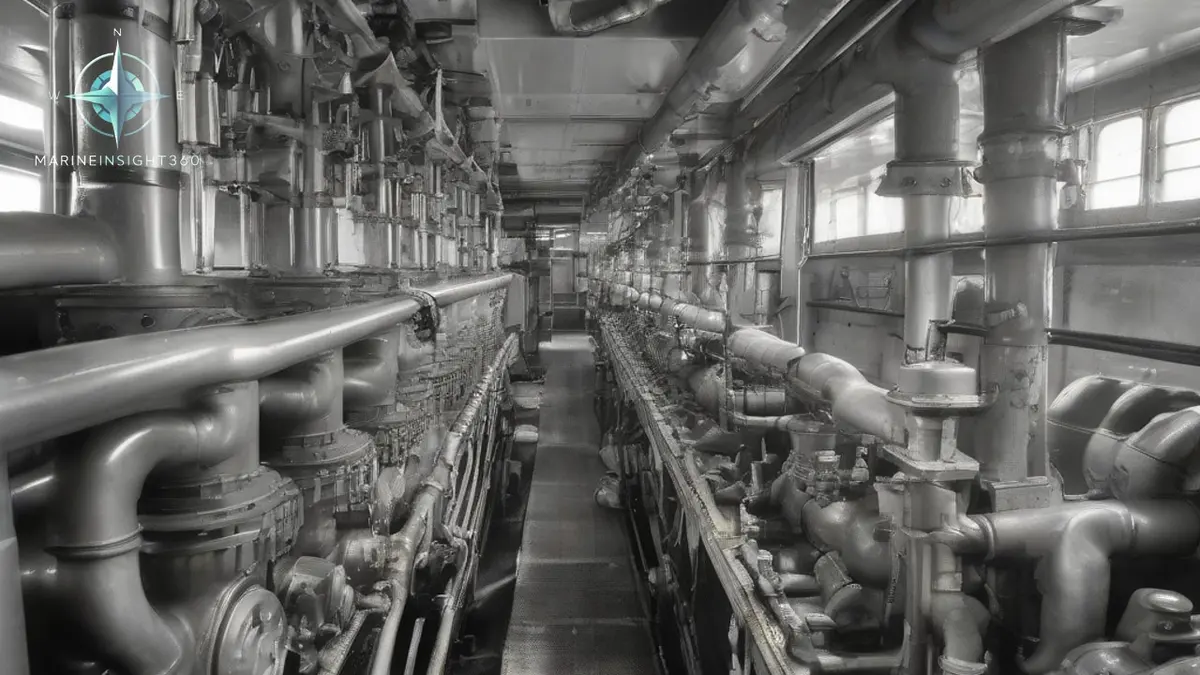
What Is Nautical Engineering? Fields, Roles and Career Routes
Nautical engineering covers the design and operation of ships and their machinery. How marine engineering, naval architecture and ocean engineering differ.