
How to Start a Career in the Maritime Industry: Sea, Shore and the Routes In
Sea-going and shore-side entry routes compared: cadetships, trainee broker schemes, port apprenticeships, the qualifications that count and a 90-day plan.

The first decision in how to start a career in the maritime industry is whether you begin at sea or ashore, because the two entry systems barely overlap. Sea-going entry runs through a sponsored cadetship or a maritime academy and produces a licensed officer in three to four years, whether the licence comes from the USCG, the MCA or AMSA.
Shore-side entry runs through graduate and trainee schemes in ship management, chartering, broking, port operations, agency and marine insurance, or through port and terminal apprenticeships, and it asks for a degree or an operational track record rather than a certificate.
Get that fork right and the rest is logistics. Get it wrong and you spend two years qualifying for a job you did not want.
Sea first or shore first: the trade-off in plain terms
Sea time is a one-way asset. Several of the best paid shore jobs in shipping, technical superintendent, marine pilot, class or flag surveyor, marine warranty surveyor, casualty investigator, require a senior certificate of competency and command or chief engineer experience. You can move from sea to shore. Moving the other way is close to impossible once you are past your twenties.
Commercial shipping roles work differently. Chartering, broking, operations, agency, insurance and law recruit graduates and career changers directly, and sea experience is useful context rather than a requirement. If your interest is markets, contracts and cargo flows rather than machinery and watchkeeping, going straight ashore costs you nothing.
The sea-going routes
Three cadet streams exist: deck, engine and electro-technical. Each combines college phases with approved seagoing service and ends in a certificate of competency issued by the national administration and recognised internationally under STCW. Ratings entry is a shorter alternative, with basic safety training and a national qualification, and it can be converted into an officer route later through additional sea service and examinations.
Demand is on the candidate's side. The 2026 BIMCO and International Chamber of Shipping Seafarer Workforce Report estimates a shortage of 39,100 STCW-certified officers in 2026 and calculates that the world fleet will need 113,735 additional officers by 2030. Sponsored cadetships remain competitive to win, but the industry needs the intake.
Shore-side sectors that hire without sea time
- Chartering and vessel operations. Fixing cargoes, running voyages, laytime and demurrage, voyage accounting. Entry is typically a graduate operator role, and it is the best all-round training in how shipping earns money.
- Ship broking. Dry cargo, tanker, sale and purchase, newbuilding and offshore desks. Larger firms run trainee broker programmes that take graduates with no shipping background.
- Port and terminal operations. Vessel scheduling, berth planning, yard and gate operations, harbour operations. Ports also recruit through apprenticeships and operational entry rather than only degrees.
- Ship agency. Port agency work is the fastest way to learn how a ship call actually functions, and it hires locally at junior level.
- Marine insurance and protection and indemnity. Claims handling, underwriting and loss prevention.
- Ship management. Crewing, technical, purchasing, quality and safety functions, some of which take non-seafarers at junior level.
- Maritime law, naval architecture and offshore wind marine coordination. Each with its own professional entry requirements.
Which qualifications repay their cost
The Institute of Chartered Shipbrokers examinations are the recognised professional qualification in commercial shipping and are respected across broking, chartering and operations. They can be studied part time while working, which is exactly how most people take them.
A shipping, maritime business or logistics degree helps for graduate schemes, and a law or accountancy qualification opens the specialist routes. What rarely repays its cost is an unaccredited online maritime certificate that no employer names in a job advert. Before paying for any course, search current vacancies for the qualification by name and see whether anyone asks for it.
The documents that gate entry
Anyone working aboard a vessel or inside a secure US port area needs a Transportation Worker Identification Credential, and anyone sailing on a US-flag ship needs a Merchant Mariner Credential. UK seafarers need an ENG1 medical certificate and a discharge book. Anyone going to sea in any capacity, including a summer job on a passenger vessel, needs STCW basic safety training. Sort the medical first, because it is the only one that can end the plan outright.
How to get the first interview with no experience
Shipping recruits heavily through personal contact, and that works in a newcomer's favour because the industry is small and reachable.
- Join a professional body branch and attend meetings, such as the Institute of Chartered Shipbrokers, the Nautical Institute, a Propeller Club or a young professionals network in your port city.
- Take an operational job at a port, agency or terminal, even a junior one, and use it as the reference that gets you the next interview.
- Learn one concrete commercial skill before applying: build a voyage estimate, calculate laytime and demurrage from a real charter party clause, or read a bill of lading properly.
- Follow two or three specific trades closely, such as capesize iron ore or clean products in the Atlantic, so you can talk about the market rather than about shipping in general.
A 90-day plan
Weeks one to four: decide sea or shore, and book a seafarer medical if the answer is sea. Weeks five to eight: list every cadet sponsor, academy, graduate scheme and port apprenticeship with its deadline, and start the applications with the earliest closing dates. Weeks nine to twelve: attend two industry events, register with a specialist maritime recruiter, and begin an entry-level professional qualification if you are heading ashore.
Our Merchant Navy Careers section covers the sea-going certificate pathways, and the Ports section covers how terminal and port operations work in practice.
Sources and further reading
- Guide to Shore-Based Careers in the Maritime Industry
- Maritime Career Pathways
- Shore-based Maritime Jobs and Shipping Jobs
- BIMCO and ICS report warns of potential future shortage of officers
What to read next
Recommended Reading

What Is Nautical Engineering? Fields, Roles and Career Routes
Nautical engineering covers the design and operation of ships and their machinery. How marine engineering, naval architecture and ocean engineering differ.

Maritime Career Guide: Routes to Sea, Certificates and Where the Ladder Leads
A practical maritime career guide covering deck, engine and ETO routes, cadetships, STCW certificates, sea time, progression to master and shore-based moves.
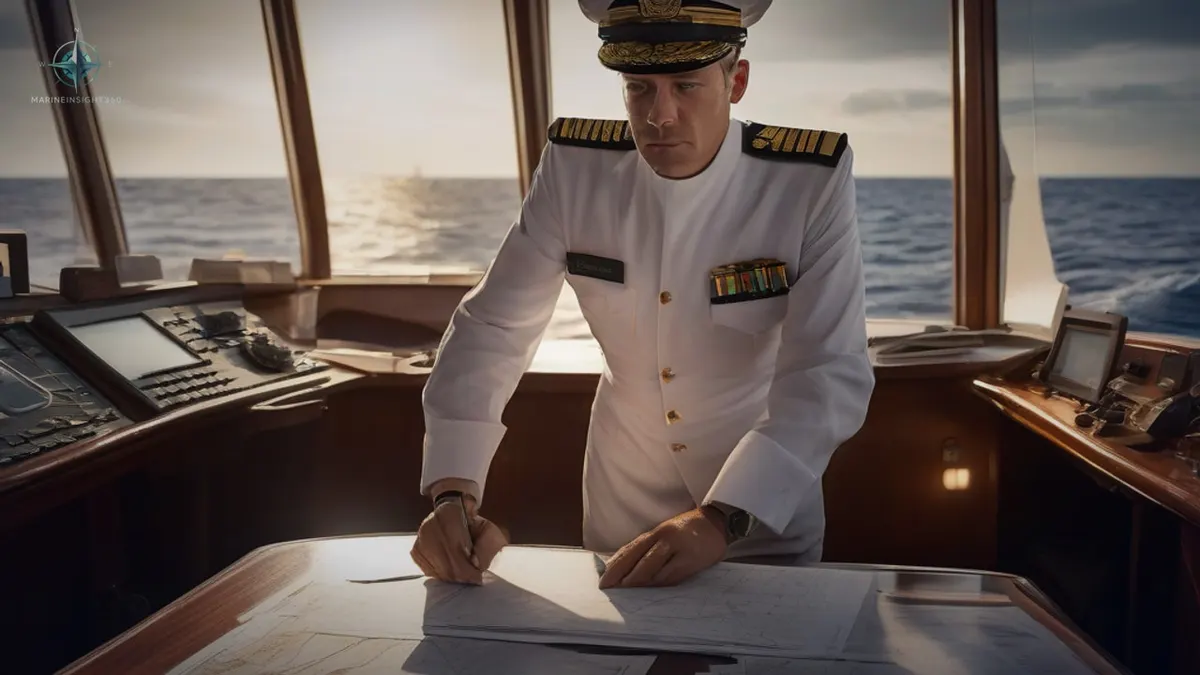
How to start Your Career in Merchant Navy?
Professional opportunities exist that offer people the chance to experience travel adventures and earn good earnings. An employment in the Merchant Navy…