
Marine Machinery Explained: Main Engine, Auxiliaries and Deck Plant
Marine machinery explained: the main engine, generators, boilers, purifiers, pumps, steering gear and deck plant, and the SOLAS rules that govern them.
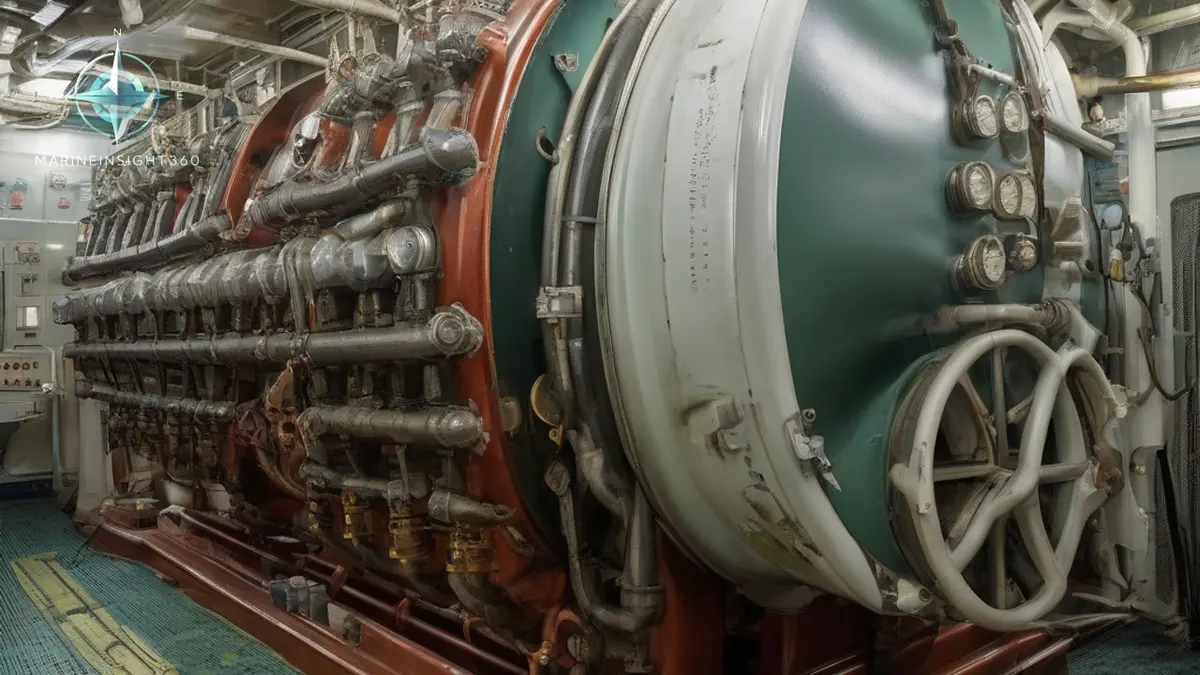
Marine machinery is the collective term for the propulsion plant, auxiliary systems and deck equipment that keep a ship moving, powered, habitable and able to work cargo. On a merchant vessel it divides into three groups: the propulsion train, the auxiliary machinery supporting both the engine and the ship's services, and the deck machinery used for mooring, anchoring, steering and cargo handling.
Most of it falls under SOLAS Chapter II-1 and is surveyed by a classification society such as ABS, Lloyd's Register, DNV or ClassNK. USCG and MCA port state inspectors then look at the same plant when the ship calls at a US or UK berth.
The propulsion train
Large ships are still dominated by the slow-speed, uniflow-scavenged two-stroke diesel. Its characteristics are low rotational speed, large cylinder bore, long stroke and high output, which lets it drive a fixed-pitch propeller directly with no reduction gearbox. That direct drive is the reason the layout persists: fewer losses, fewer moving parts and a propeller turning slowly enough to be efficient.
Medium-speed four-stroke engines take over on smaller vessels, ferries and diesel-electric plants, driving through a gearbox or through generators. Gas turbines appear on fast ferries and naval ships where power density beats fuel economy. Dual-fuel engines burning LNG alongside liquid fuel are now common on newbuilds, which changes the auxiliary picture because gas handling brings its own safety systems.
The train continues aft: thrust bearing, intermediate shafting, stern tube bearings and seals, then the propeller. Shaft alignment and stern tube lubrication cause a disproportionate share of serious damage claims, because both fail slowly and expensively.
Auxiliary machinery: what actually keeps the ship alive
Auxiliary machinery supports the main engine, the ship and the cargo. The main groups are:
- Power generation. Diesel generators supplying the electrical load, plus an emergency generator on a separate deck with its own fuel and starting arrangements.
- Fuel and lube oil treatment. Self-cleaning centrifugal separators, commonly called purifiers, remove water and solids from heavy fuel and lubricating oil before they reach the engine. Poor purifier discipline shows up later as bearing damage.
- Steam and heat recovery. Oil-fired and composite boilers raise steam for heating and fuel treatment. An exhaust gas economizer recovers waste heat from the main engine exhaust, cutting fuel burn at sea.
- Cooling. Seawater and freshwater circuits, plate and shell-and-tube heat exchangers, and the central cooler that ties them together.
- Compressed air. Main air compressors and receivers for engine starting, plus control and service air.
- Pumps. Ballast, bilge, fire, general service, cargo, fuel transfer and cooling water pumps, each with a required standby.
- Water and waste. Freshwater generators, sewage treatment plants, oily water separators and, on most ships, ballast water treatment.
The refrigeration and air conditioning plant belongs here too, and on reefer and gas carriers the cargo plant is the largest auxiliary load on board.
Steering gear and the rules that size it
Steering gear is one of the few items where SOLAS states the performance directly. Under Chapter II-1, the main steering gear must be able to put the rudder over from 35 degrees on one side to 35 degrees on the other with the ship at its deepest seagoing draught and running ahead at maximum service speed, and from 35 degrees on either side to 30 degrees on the other in not more than 28 seconds.
The auxiliary steering gear must be of adequate strength, capable of being brought into action quickly, and able to move the rudder from 15 degrees on one side to 15 degrees on the other in not more than 60 seconds at the deepest seagoing draught.
Those numbers explain why steering gear tests before departure are not a formality. They verify a capability the ship is certified against.
Deck machinery
Windlasses, mooring winches, cranes, hatch covers, hose handling gear and, on tankers, the cargo pumps and inert gas plant. Deck machinery is usually hydraulic or electric and lives in a far harsher environment than engine room plant. Salt, weather and shock loading during mooring make corrosion and wire condition the main failure drivers rather than wear.
Maintenance strategy makes the difference
Three approaches coexist on every ship. Planned maintenance runs to running hours or calendar intervals and satisfies class. Condition-based maintenance uses vibration, oil analysis, thermography and performance trending to intervene only when a machine shows change. Breakdown maintenance is what happens to the items nobody monitored.
The practical skill is choosing correctly per machine. Redundant, low-consequence items can run to failure. Single-point items with long lead-time spares, such as the main engine turbocharger, stern tube seal or steering gear power unit, justify condition monitoring and a spare on board. Chief engineers who classify machinery this way spend less across a docking cycle than those who service everything on the same schedule.
For deeper reading on individual systems, see the Marine Machinery catalogue and the Shipboard Operations section of the Knowledge Base.
Sources and further reading
- Marine engines and auxiliary machinery - ScienceDirect
- SOLAS Requirement on steering gear system - DieselShip
- Cylinder lubrication in large two-stroke marine diesel engines
What to read next
Recommended Reading
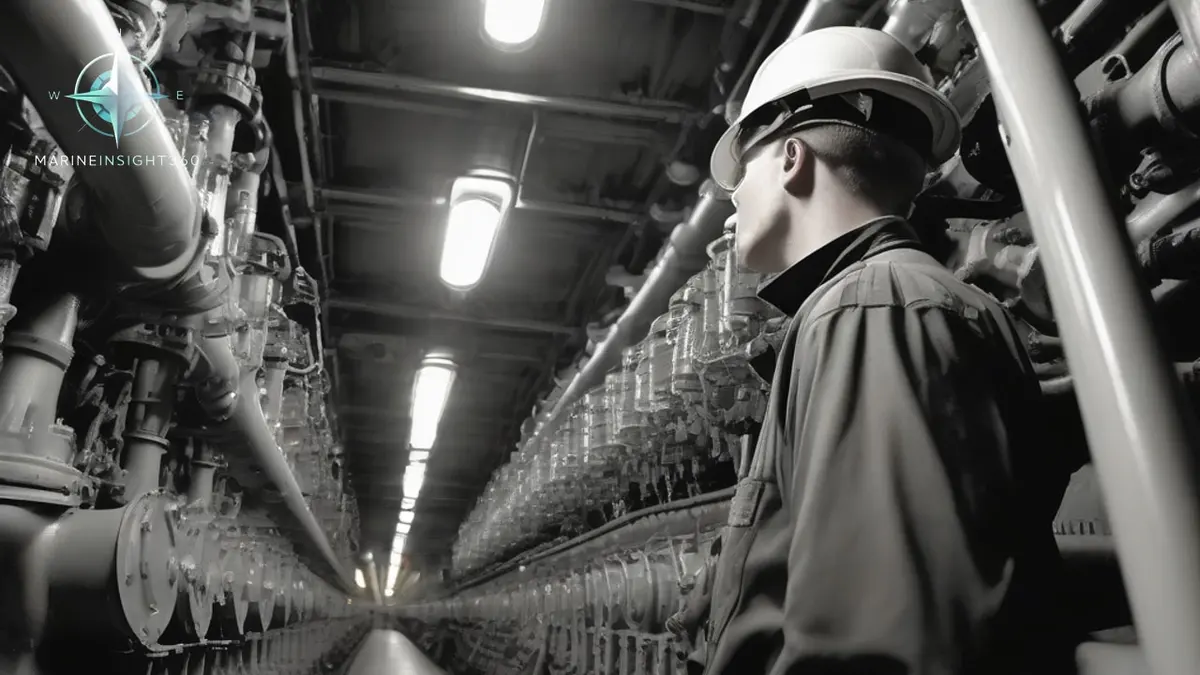
Navigating Machinery and Mentoring: Insights from an Engine Cadet
Navigating Machinery and Mentoring: Insights from an Engine Cadet: technology, equipment and fleet context for US, UK, Canada, Australia, Singapore and...
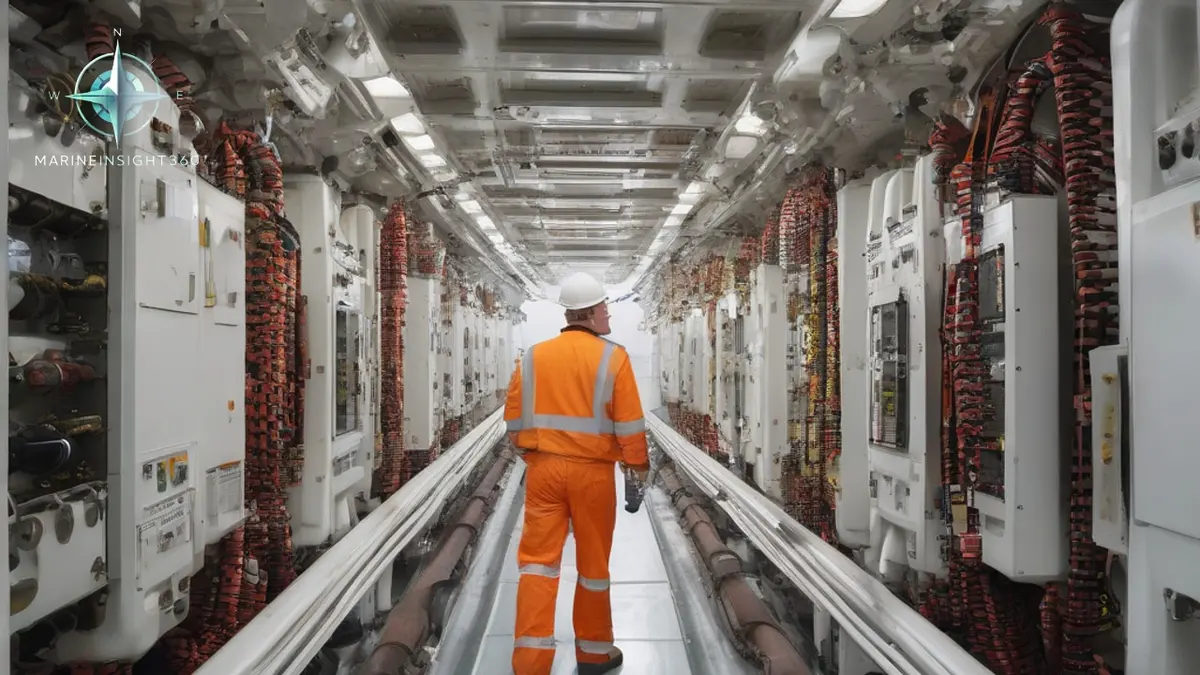
Cruise Ship Engineer: The Role, the Plant and the Contract
A cruise ship engineer runs a floating power station and hotel. Here is the rank ladder, the certificates required and how contracts and rotations work.
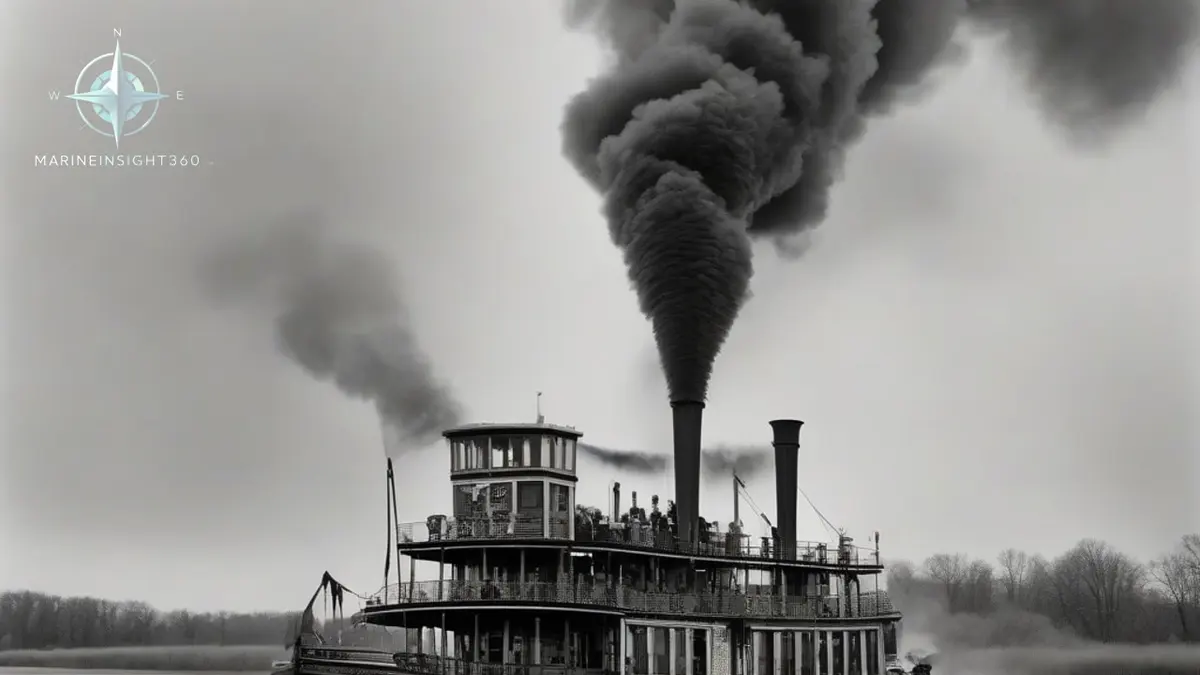
How a Steamboat Works: Boiler, Engine and Paddle Wheel
How a steamboat works, from furnace and boiler through cylinder, valve gear and condenser to the paddle wheel, and why screw propellers replaced paddles at sea.