
Maritime Academy Courses: What You Study and What You Qualify For
Maritime academy courses explained: deck and engineering tracks, the STCW short courses, required sea time, and the license you hold on graduation.
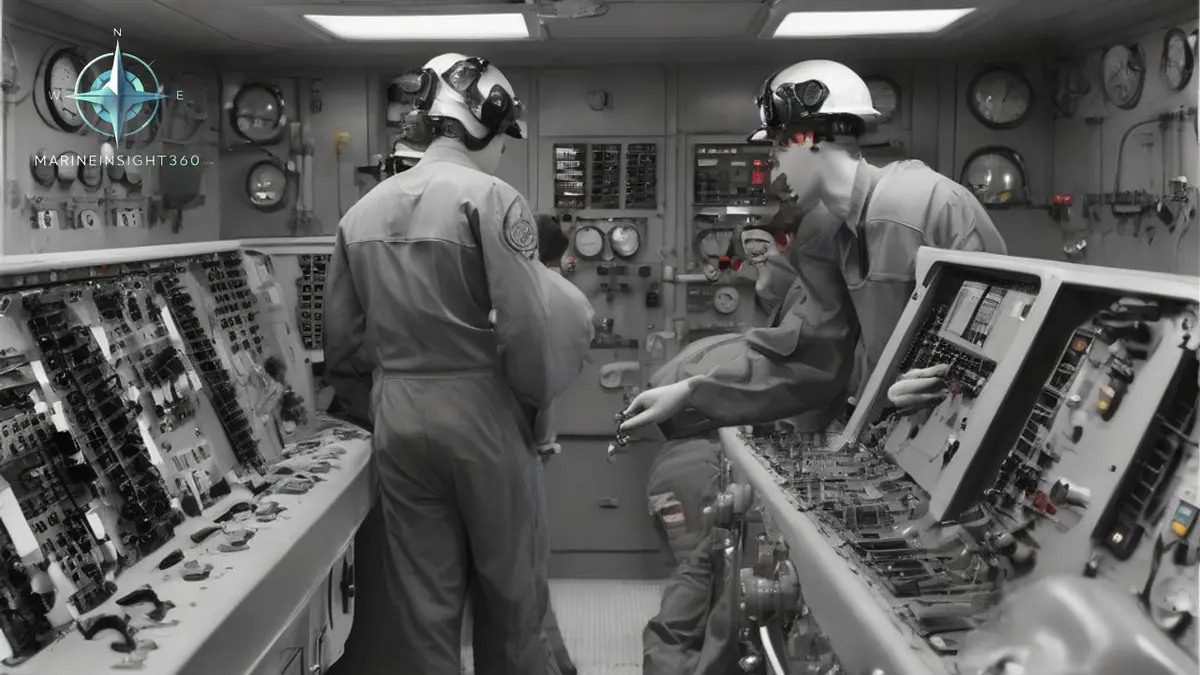
What maritime academy courses lead to
Maritime academy courses are split between two licensed tracks, deck and engineering, and a set of shore-focused degrees that do not carry a license. The licensed tracks combine classroom study, simulator time and supervised sea service, and they finish with a certificate of competency: a third mate or third assistant engineer license in the United States, or an officer of the watch certificate issued by the maritime administration in the UK, Canada, Australia and Ireland.
The degree is only half the outcome. The license is what lets you sail.
That structure explains why these programs look unusual next to a normal university course. Sea time is embedded in the syllabus, the curriculum is set partly by an international convention rather than by the college, and assessment includes practical demonstrations an examiner has to witness.
What a deck cadet studies
The deck track builds toward navigational watchkeeping and cargo responsibility.
- Terrestrial and celestial navigation , chartwork, tides and passage planning.
- COLREGs , the international collision regulations, taught to a standard where the rules are recalled without reference.
- Radar, ARPA and ECDIS , including type-specific ECDIS training that is separately certificated.
- Ship stability and cargo work : stress and stability calculations, loading sequences, dangerous goods, tanker and gas familiarization where offered.
- Meteorology and ocean routeing .
- Bridge resource management , plus maritime law, GMDSS radio operation and ship handling on simulators.
What a marine engineering cadet studies
The engineering track is an engineering degree with shipboard systems as the application domain.
- Thermodynamics, fluid mechanics and applied mechanics as the theory base.
- Marine diesel propulsion : two-stroke and four-stroke engines, fuel systems, turbocharging, performance analysis.
- Auxiliary machinery : boilers, purifiers, pumps, refrigeration, air conditioning, steering gear and hydraulics.
- Marine electrotechnology and automation : generators, switchboards, control systems and alarm handling.
- Workshop practice : machining, welding and fitting, usually assessed hands-on.
- Engine room resource management , plus naval architecture basics and environmental compliance under MARPOL.
The STCW short courses everyone takes
Regardless of track, all cadets complete the certificates required by STCW, the international convention setting minimum training standards for seafarers. These are short, practical and have expiry dates, so they will follow you through your career.
- Basic training : personal survival techniques, fire prevention and firefighting, elementary first aid, and personal safety and social responsibility.
- Proficiency in survival craft and rescue boats , other than fast rescue boats.
- Advanced firefighting .
- Medical first aid , with medical care at management level added later.
- Security awareness or designated security duties under the ISPS Code.
Sea time is part of the course, not an internship
Licensed programs require supervised sea service, and the academies structure it into the degree. At the US Merchant Marine Academy, Sea Year places midshipmen aboard commercial vessels for around 300 days, typically split across the sophomore and junior years. Midshipmen in the ship's officer major complete a minimum of 90 days as engine cadet and 180 days as deck cadet, with the balance in either role.
Graduates leave with three things at once: a Bachelor of Science, a US Coast Guard license as third mate or third assistant engineer, and a commission in the naval reserve.
The UK, Irish and Australian model differs in funding rather than in substance. A cadetship is usually sponsored by a shipping company or a training trust that pays fees and a training allowance, and the cadet alternates college phases with sea phases aboard the sponsor's ships. The practical consequence is that you apply to a sponsor as much as to a college, and sponsorship is the competitive step.
Shore-based degrees at the same academies
Not every course at a maritime academy leads to a license. Common alternatives include marine transportation and logistics, maritime business administration, marine engineering systems, facilities engineering, naval architecture, and emergency management. These are full engineering or business degrees with maritime context, and they lead to shoreside roles in operations, chartering, port management, surveying, classification and ship design. They do not include Sea Year and do not produce a certificate of competency, which matters if you later want to sail.
How to choose between them
Ask one question first: do you intend to sail. If yes, only a licensed track gets you there, and the sea time is not optional. If you want a maritime career ashore, a licensed qualification still carries weight because operators, class societies and insurers value people who have stood a watch, but a shore degree gets you into the industry faster and at lower personal cost.
Entry requirements and cost
Entry standards center on mathematics and physics, an eyesight and colour vision standard, and a seafarer medical certificate. Colour blindness is the most common reason an otherwise strong deck applicant is turned away, so get the medical done before you apply rather than after.
Costs vary by structure: a federal service academy carries a service obligation instead of tuition, state maritime academies charge normal in-state and out-of-state tuition plus training ship fees, and a sponsored cadetship in the UK or Ireland is generally funded by the sponsoring company. The Marine Insight 360 Merchant Navy Careers section covers the certification path after graduation.
Sources and further reading
- Marine Engineering, U.S. Merchant Marine Academy
- Massachusetts Maritime Academy
- USMMA Kings Point maritime and logistics programs, EduMaritime
What to read next
Recommended Reading
STCW Certification: What It Is, the Five Basic Courses, and How to Get It
STCW certification is the international training standard every seafarer needs. The five basic safety courses, what they cost, renewal rules, and how to start.
What Is Marine Engineering: Courses, Job Description & Salary
What Is Marine Engineering: Courses, Job Description & Salary: career, certification and hiring context for US, UK, Canada, Australia, Singapore...
The Strait of Hormuz and the Limits of Maritime Law
Transit passage under UNCLOS, why Iran and the United States disagree, and what masters actually do when a legal right meets a warship in the Strait.