
Maritime Incidents That Changed International Laws Forever
Maritime Incidents That Changed International Laws Forever: regulatory and compliance context for US, UK, Canada, Australia, Singapore and European...
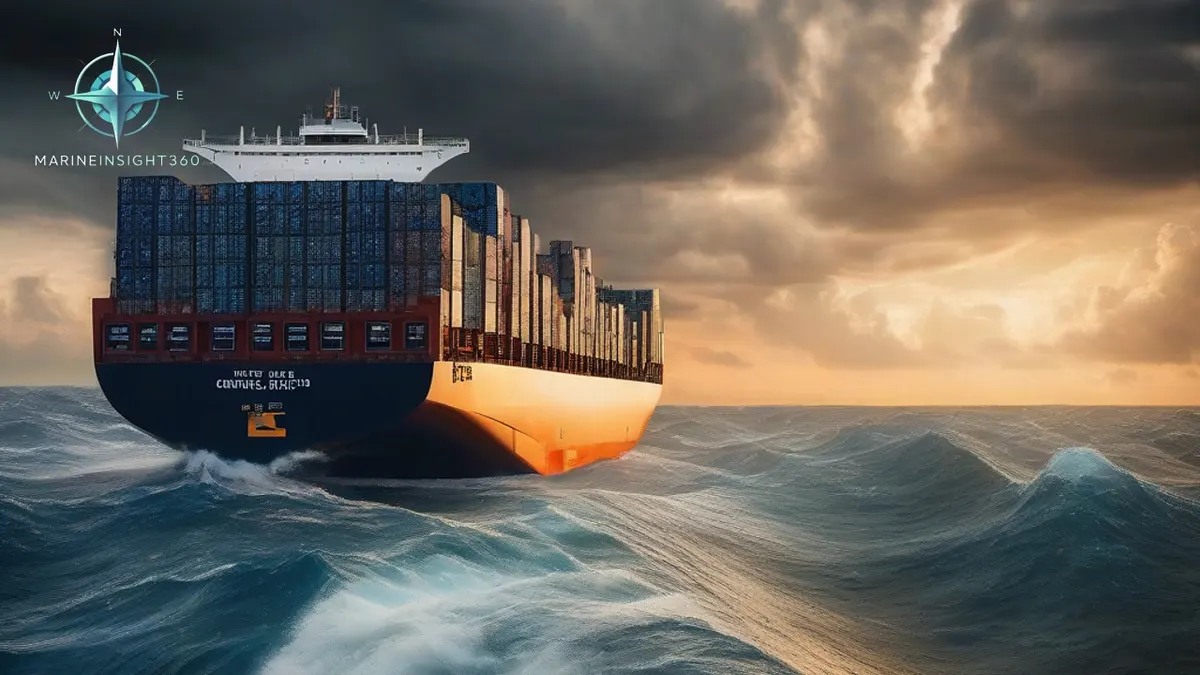
Five maritime incidents changed international law: the Titanic sinking, the Torrey Canyon and Amoco Cadiz spills, the Herald of Free Enterprise capsizing and Erika's breakup are the casualties behind SOLAS, MARPOL, STCW, the ISM Code and the EU Erika packages.
5 Maritime Incidents That Changed International Laws Forever
The world's oceans have witnessed countless maritime accidents. Some were far more catastrophic than others, and together they claimed hundreds of thousands of lives. Most of these accidents were caused by human error, negligence, or system failures. Yet each one forever changed the landscape of the maritime domain, and each spurred the development of international law governing maritime navigation.
Incidents such as the sinking of the Titanic and the infamous Torrey Canyon oil spill established new rules and regulations. Those rules have shaped maritime safety standards, imposed greater accountability on stakeholders, and emphasized environmental protection.
1. The Sinking of the RMS Titanic and the Birth of the International Convention for the Safety of Life at Sea (SOLAS)
In April 1912, the Titanic struck an iceberg in the North Atlantic. The ship had once been considered "unsinkable," yet it sank on its maiden voyage. Over 1,500 of the 2,224 passengers and crew on board were killed, and the loss exposed several shortcomings in the maritime regulations of the time. An investigation into the sinking of the Titanic revealed the inadequacy of its lifeboats, which could only accommodate 1,178 people.
That figure came from outdated regulations, which were based on ship tonnage rather than passenger capacity.
The Titanic was equipped with a Marconi wireless telegraph system, but the sole radio operator was not on duty 24 hours a day. As a result, the ship missed crucial ice warnings from nearby vessels, and those warnings never reached the bridge in time. Had they been relayed promptly, the collision could have been avoided.
The crew lacked adequate emergency training, and when the disaster struck, they panicked. Because there were no clear instructions, the lifeboats were only half-loaded, and some capsized before they were even launched. The "women and children first" rule also contributed to the underutilization of the lifeboats.
Passengers and crew believed the ship was unique and unsinkable, and that belief led the crew to make careless decisions. Those decisions could have been avoided with more caution.
The incident sparked a global outcry, leading to a maritime safety conference held in London in November 1913. That conference resulted in the adoption of the 1914 International Convention for the Safety of Life at Sea (SOLAS). SOLAS remains the most important maritime safety treaty to this day.
SOLAS requires ships to carry sufficient lifeboats to accommodate all persons on board. Ships must also be equipped with a 24-hour radio surveillance system, so that distress signals and navigational warnings are not missed.
The convention also imposes strict requirements on ship construction, particularly the number and height of watertight bulkheads. Such bulkheads prevent rapid flooding and enhance buoyancy in the event of a hull breach.
SOLAS also emphasizes the need for crews to conduct regular emergency drills so that they are prepared to respond to such emergencies.
2. The Torrey Canyon Oil Spill and the MARPOL Convention
Oil spills had occurred before 1967, but none compared to the grounding of the supertanker Torrey Canyon in March of this year. The tanker went aground on Seven Stones Island, between the Isles of Scilly and Cornwall, England, carrying 120,000 tons of crude oil. The oil broke free from its hull and released a black cloud that blanketed the coasts of Britain and France. Marine ecosystems and coastal communities were devastated.
At the time of the incident, there were no established international regulations to deal with such a large-scale oil spill. Cleanup attempts therefore did more harm than good. One such attempt was the Royal Air Force's decision to bomb the wreck to burn the remaining oil.
The lack of adequate regulations posed complex legal challenges over who was responsible for the spill. It was equally unclear who would pay for cleanup and compensation.
At the time, the law emphasized the safety of life and navigation, and marine protection was not a primary concern.
Two years later, in 1969, the International Convention on Civil Liability for Oil Pollution Damage was established. It held shipowners liable for oil pollution damage within certain limits.
The most significant development came in 1973, with the establishment of the International Convention for the Prevention of Pollution from Ships (MARPOL).
Amended by the 1978 Protocol, MARPOL has become the most important international treaty regulating pollution from ships.
The MARPOLConvention sets out regulations for the prevention of pollution from oil and other harmful substances. It also covers hazardous packaging materials, sewage, and garbage.
The convention establishes ship design standards, such as separate ballast tanks to prevent oil from mixing with ballast water. It also prescribes the types of operations and equipment required to mitigate damage.
The Torrey Canyon oil spill inspired the conviction that ships must safeguard not only human life but also the marine environment.
3. Amoco Cadiz Oil Spill and the STCW Convention
Ten years after the Torrey Canyon oil spill, another supertanker ran aground. The Amoco Cadiz suffered a steering gear failure that left it adrift at sea.
In March 1978, a 220,000-ton crude oil spill occurred off the coast of Brittany, France. The disaster was twice the size of the Torrey Canyon incident, and it led to significant updates to tanker safety. Those updates came under the International Convention for the Safety of Life at Sea and the Pollution Control Convention. They included improved maintenance regulations for steering gear and propulsion systems, as well as the establishment of port state control in 1982.
The accident also led to the 1978 International Convention on Standards of Training, Certification and Watchkeeping for Seafarers (STCW), which sets minimum qualifications for seafarers. The losses caused by this accident exceeded the compensation limits stipulated in existing agreements, and many victims were unable to receive full compensation. The shortfall highlighted the inadequacy of environmental damage compensation limits.
This accident increased the compensation limits under the Convention on Compensation for Environmental Damage and the International Convention on Funds for MaritimeCompensation. These conventions also expanded the definition of pollution damage to include environmental restoration costs.
4. The Capsizing of the Herald of Free Enterprise and the International Safety Management (ISM) Code
On March 6, 1987, the Herald of Free Enterprise capsized after leaving the port of Zeebrugge, Belgium. The capsizing of the roll-on/roll-off ship killed 193 people. The cause of the disaster was not mechanical failure, but negligence, poor communication, and a weak safetyculture by the operating company.
An investigation revealed that the ship's bow hatch was open at departure, allowing water to enter. The assistant captain, who was responsible for closing the hatch, was asleep at the time. There was no system in place to verify that the hatch was closed.
This tragedy shifted the focus of maritime safety from technical regulations to human factors. It led to the development of the International Safety Management Code (ISM Code) in 1993, which became mandatory for most ships in 1998.
The International Safety Management Code (ISM Code) requires shipping companies to implement a safety management system (SMS) to prevent environmental pollution and ensure safety. The system consists of several components. For example, companies must clearly define their safety and environmental objectives, and they must clearly define safety roles and responsibilities.
It also requires the designation of a shore-based person to serve as a link between ship and shore management. That link ensures the effective implementation of the SMS.
The ISM also establishes plans and drills for various emergency situations and emphasizes the need for regular audits.
5. The Erica Oil Spill and the Development of Erica Plans I, II, and III
In 1999, the oil tanker Erica broke apart during a storm off the coast of France. It spilled over 10,000 tons of heavy fuel oil and contaminated hundreds of kilometers of coastline.
This incidentprompted EU maritime legislation to be amended through the introduction of Erika I, II, and III. These measures were designed to strengthen EU ship inspection, certification, and monitoring procedures.
The incident highlighted the risks associated with single-hull tankers and prompted the replacement of them with double-hull designs, which were considered safer.
It also prompted a reassessment of civil liability for oil spills at sea, expanding liability beyond shipowners to include other stakeholders, such as charterers.
The incident also significantly improved the compensation system for oil spill victims.
Conclusion
The five incidents described in this article changed the course of maritime law and regulation. They exposed the weaknesses of outdated systems and prompted much-needed changes, not only to save lives but also to protect the marine environment from pollution.
While devastating, these disasters led to the implementation of important laws and conventions, such as the Safety of Life at Sea (SOLAS) and the MARPOL Convention. The International Safety Management (ISM) Code belongs on that list too, and together they ultimately made navigation more orderly and safer. Even today, maritime law is regularly updated with the implementation of new technologies.
Recommended Reading
What is an International Shore Connection on Ships?
What is an International Shore Connection on Ships?: safety, training and compliance context for US, UK, Canada, Australia, Singapore and European...
International Code of Signals (INTERCO)
The International Code of Signals (INTERCO) is an international communication system used by seafarers aboard ships to convey important information…
Powerful International Maritime Associations
The shipping industry is shaped and governed by powerful international associations that set global shipping standards and related regulations, influence…