
NYK Launches Eco Ship Recycling in Japan: What a Dry-Dock Demolition Yard Changes
NYK is backing eco ship recycling in Japan using a dry dock rather than beaching. What the Hong Kong Convention requires and what it costs owners.
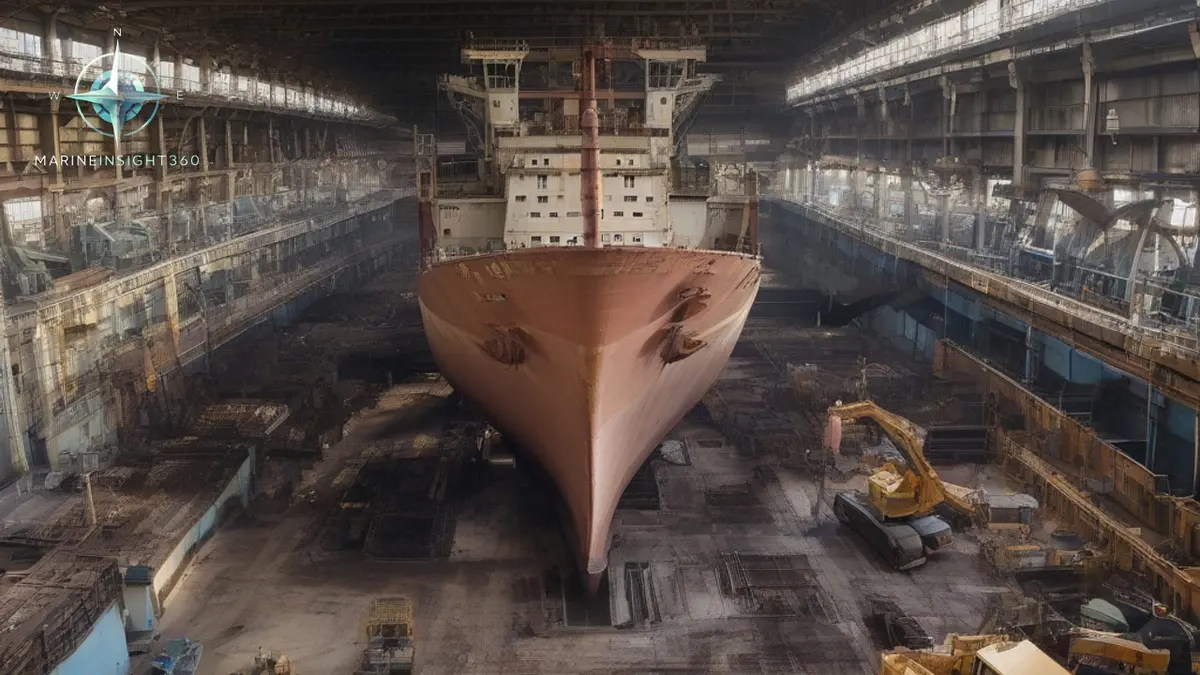
NYK launches eco ship recycling in Japan with demolition specialist Oono Development, dismantling ships inside a dry dock rather than driving them onto a tidal beach. The project centres on Oono's dry dock at Chita City in Aichi Prefecture. It is one of the largest dry docks in Japan and can take two large ocean-going vessels at once. The yard is expected to go live in 2028, recycling hulls and large offshore structures into steel scrap and other recovered materials.
The significance is the method. Dry-dock demolition contains every fluid, fragment and hazardous coating inside a controlled basin, which is the outcome the Hong Kong Convention was written to achieve.
Why dry dock instead of beaching
Most of the world's tonnage is still broken up on tidal beaches in South Asia, where ships are run aground at high water and cut apart on the sand as the tide falls. That method is cheap because it needs almost no infrastructure.
It is also the reason ship recycling has the safety and pollution record it does: heavy steel is cut and dropped in an uncontrolled zone, oil residues and paint fragments enter the intertidal sediment, and emergency access for injured workers is limited by the tide itself.
A dry dock reverses those conditions. The basin is drained, so cutting happens on a hard standing with drainage capture, fixed cranes take controlled loads rather than gravity dropping them, and hazardous materials are removed to a defined route. The trade-off is cost. Dock time, labour rates and waste disposal in a developed economy are far higher than beach rates, which is exactly why the economics need explaining.
What the Hong Kong Convention actually requires
The Hong Kong International Convention for the Safe and Environmentally Sound Recycling of Ships entered into force in June 2025. It places obligations on both ends of the transaction, and owners who treat it as a yard problem get caught out.
- Inventory of Hazardous Materials (IHM). Every ship in scope must carry a maintained inventory identifying asbestos, PCBs, ozone-depleting substances, heavy metals in coatings and similar materials, with location and approximate quantity. Part I is maintained throughout the ship's life. Parts II and III are added before recycling to cover operationally generated waste and stores.
- Ship Recycling Plan. The yard prepares a vessel-specific plan showing how that particular ship will be dismantled and how each listed material will be handled.
- Authorized facility. The yard needs a Document of Authorization to Conduct Ship Recycling issued by its state, backed by a facility plan covering worker safety, emergency response and waste management.
- Ready for Recycling Certificate. Issued to the ship by or on behalf of the flag state once the IHM is verified against the approved recycling plan and the intended yard.
Owners trading to European ports face an additional layer. The EU Ship Recycling Regulation requires EU-flagged ships to be recycled at facilities on the European List, which is stricter than convention compliance alone and has historically excluded beaching yards.
The economics that decide where a ship really goes
End-of-life pricing is driven by scrap steel demand, not by environmental preference. A beaching yard can pay an owner a substantial sum per lightweight tonne because its cost base is minimal and its steel feeds local re-rolling mills directly. A dry-dock facility in a high-cost economy pays less, or in some cases charges for disposal, because it carries dock overheads, regulated waste routes and industrial wage rates.
Japan's domestic advantage is that recovered scrap feeds electric arc furnace steelmaking, where scrap is a primary input rather than a marginal one. Recycled steel avoids the emissions of primary production, so a domestic supply of clean, traceable heavy melting scrap has a value beyond the metal itself for steelmakers under decarbonization pressure.
That is the commercial logic behind an operator like NYK, which previously certified a recycling facility in Bangladesh against environmental, safety and human rights standards, now backing capacity at home.
What operators and superintendents should do before 2028
- Audit the IHM now. Inventories compiled in a hurry at the sale stage routinely fail verification, and an incorrect asbestos entry can stall a delivery for weeks.
- Update the IHM after every major refit, retrofit and equipment change. Scrubber and ballast water treatment installations frequently introduce materials that were never entered.
- Write recycling conditions into the sale contract. Cash buyers can and do redirect a vessel after delivery, so a green recycling clause with a demonstrable audit trail is the only practical control.
- Plan the final voyage as a real voyage. Manning, bunkers, insurance cover, port state control exposure and crew repatriation from the yard all need arranging in advance.
- Budget the difference. Choosing a compliant dock over a beach yard changes the residual value assumption in the fleet plan and should be modelled years ahead, not discovered at sale.
What it means for crews on a last voyage
Delivery crews on a ship heading for recycling face specific hazards: reduced spares, deferred maintenance, minimum manning and a receiving berth with limited facilities. Gas-free certification, tank cleaning and the removal of stores and residues are usually completed before handover, and the crew's repatriation route should be booked before the ship is committed. A dock in Japan makes that logistics chain considerably easier than a remote tidal beach.
Readers tracking end-of-life regulation and yard capacity can follow further coverage in our Ocean and Environment section.
Verification is done by people you can name. Class societies including ClassNK, DNV and Lloyd's Register survey the inventory on board and issue the statement of compliance a flag administration relies on, and ClassNK matters here because it is the Japanese society most Japanese owners already work with. The recycling yard's authorisation comes from its own state, not from the owner.
Enforcement reaches the ship long before it reaches the yard. Port state control officers under the Paris MoU and the Tokyo MoU ask to see the inventory during routine inspection, and an inventory that does not match the ship attracts a deficiency and, in the worst case, detention. Superintendents who update the document after each retrofit avoid that argument at the gangway.
Sources and further reading
- NYK to Launch Eco-Friendly Ship Recycling in Japan
- NYK-backed Japanese demo yard set to open in 2028
- Recycling of ships and the Hong Kong Convention
- NYK and Oono Development to collaborate on sustainable ship recycling
What to read next
Recommended Reading
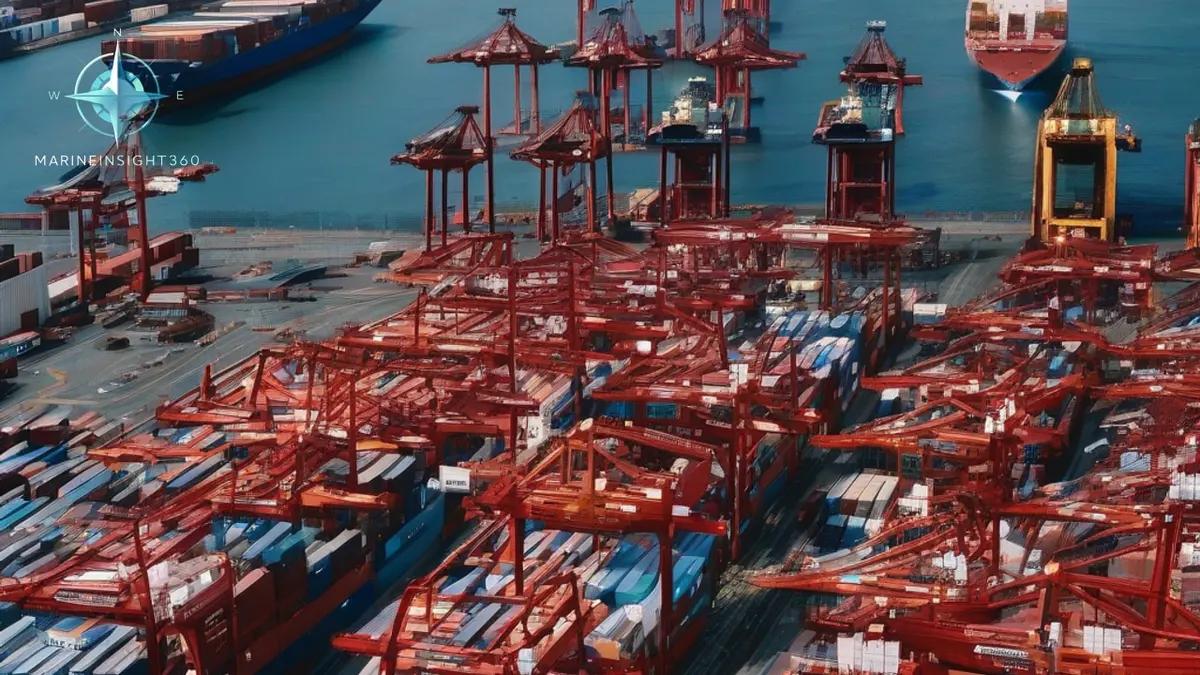
Port Cities of Japan: Tokyo, Yokohama, Nagoya, Osaka and Kobe
The main port city of Japan options compared: container volumes at Tokyo, Yokohama, Nagoya, Osaka and Kobe, the 2010 port alliances and what crews find ashore.
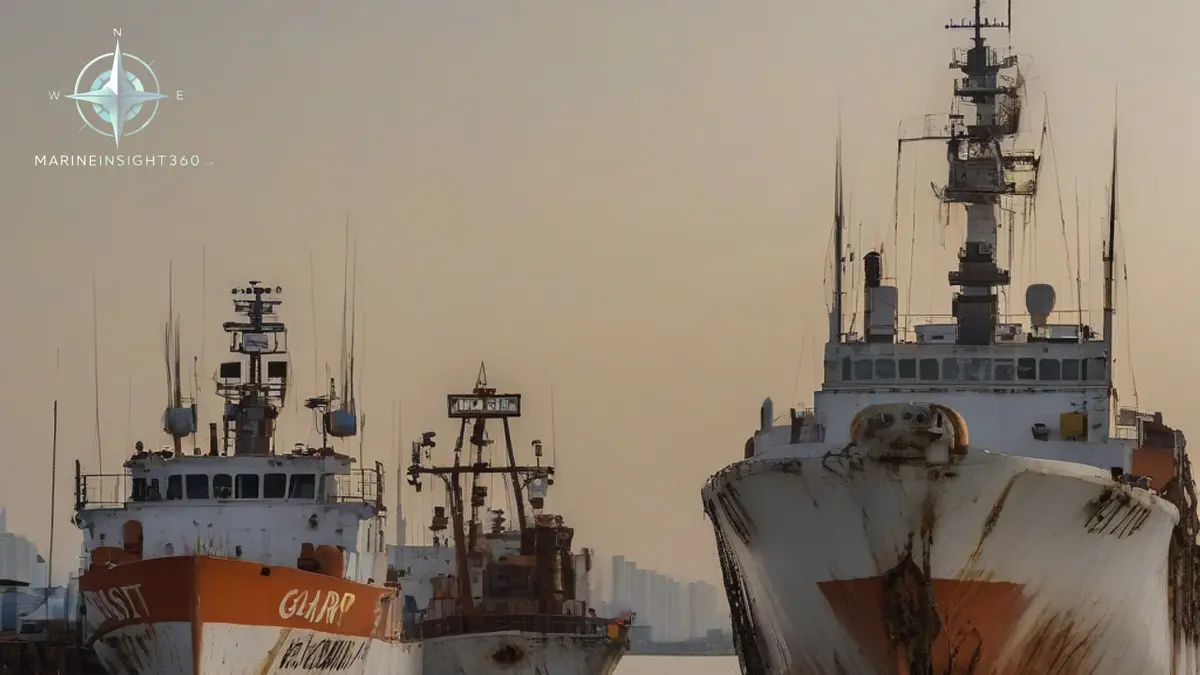
Tokyo and Manila Launch Intelligence Sharing and Maritime Border Talks: What Changes at Sea
Japan and the Philippines opened intelligence sharing and maritime boundary talks. Here is what the deals change for ships on Asian routes.
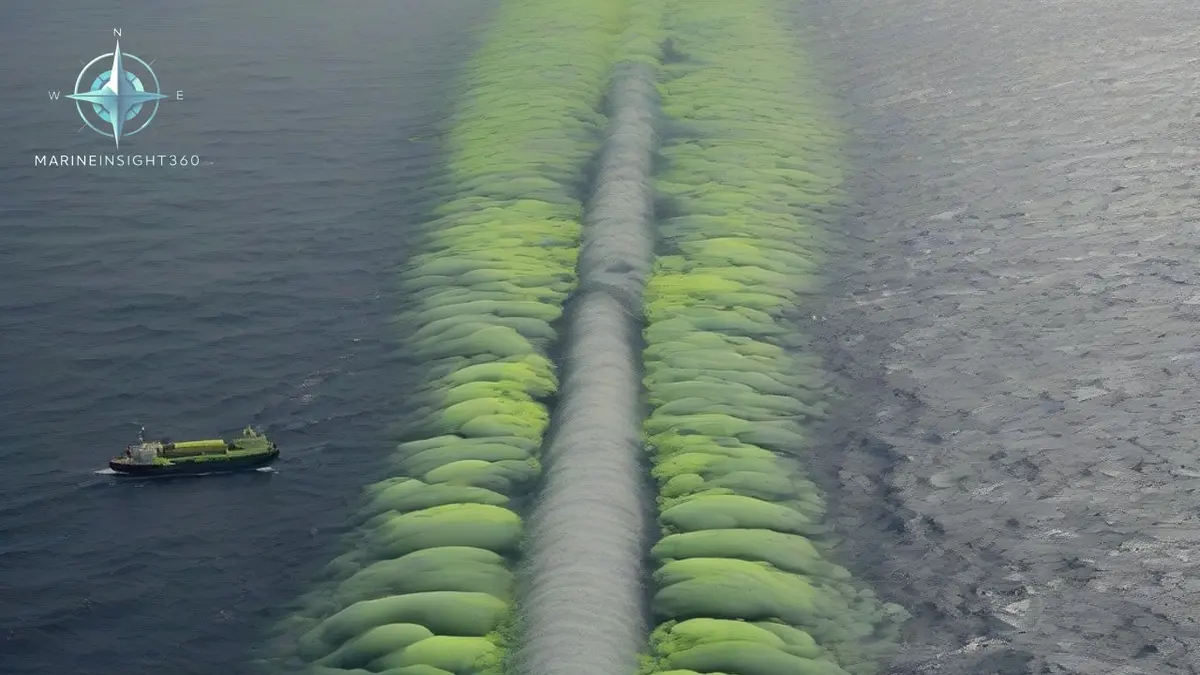
The Devil's Sea: Real Hazards Behind Japan's Dragon Triangle
The Devil's Sea south of Tokyo has a mythical reputation and a real hazard list: submarine volcanoes, the Kuroshio Current, typhoons and pumice rafts.