
Offshore Drilling: What, Why, And How?
Offshore drilling is the process of extracting oil from the ocean. Offshore drilling, also known as seabed drilling, is a complex process that promotes…
Offshore Drilling: What, Why, And How?
Offshore drilling is the process of extracting oil from the ocean. Offshore drilling, also known as seabed drilling, is a complex process that promotes sustainable development.
Offshore drilling uses oil platforms. Many offshore drilling companies utilize these platforms to extract crude oil, which is then refined and utilized in various industries. Offshore drilling requires extensive preparation before it can begin.
Before installing an offshore oil platform, it is essential to verify that the area is relatively safe for the marine environment and ecosystem. Offshore drilling is beneficial to human development, but it can also cause significant losses to marine life. Therefore, it is crucial to choose an area with the least potential damage.
After selecting and analyzing the potential offshore drilling area, the next step is to install the oil platform. The platform is a highly sophisticated device that combines power and mechanical principles to extract the required oil without causing any waste.
Offshore Vessel – What You Should Know
Dredger Ships: Types & Their Uses in Offshore Operations
The power and mechanical process involves the installation of a large number of pipelines, which must be laid and transported directly to the sea area where the oil is expected to be found. Additionally, offshore drilling necessitates the use of essential materials, including mud, water, and cement.
With the help of pipes, a balanced mixture of mud and water is allowed to flow, allowing the trapped oil and gas to seep out and accumulate in designated wells for collection. The collected oil is then transported to a designated location.
Offshore Drilling
Offshore drilling also varies in terms of the oil platforms used, with the level and type of platform depending on the depth of the seabed from which the oil is to be extracted. Additionally, ships specially designed for offshore drilling are sometimes utilized. All oil platforms are equipped with engineers and pipelines, which are a must for oil extraction. Successful oil exploration is achieved through the effective combination of engineering and engineers.
Offshore drilling is a demanding process that requires careful planning, not only before drilling, but also during and after the drilling operation. Therefore, engineers responsible for offshore or underwater drilling must exercise extreme caution to avoid any mistakes. Only by giving the necessary attention and focus to this comprehensive processcan safe oil extraction from underwater exploration be ensured.
Offshore drilling has been conducted for over seventy years. In recent years, significant progress has been made in enhancing offshore drilling procedures and tailoring them to meet human and environmental needs. Since oil is a basic need for all our present and future needs, when offshore drilling is done, it must be ensured that the surrounding ecosystems and life forms are not harmed.
Operational context
Recommended Reading
10 Most Popular Offshore Oil Rig Jobs for 2025
10 Most Popular Offshore Oil Rig Jobs for 2025: career, certification and hiring context for US, UK, Canada, Australia, Singapore and European maritime...
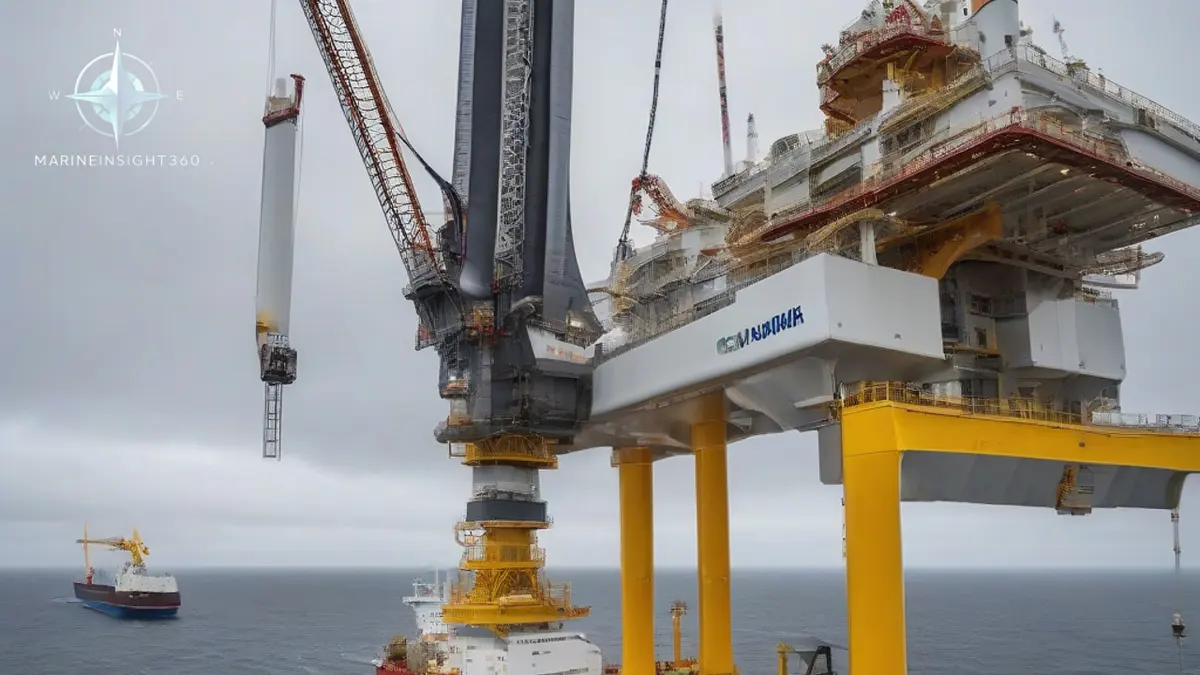
Dogger Bank Delay and the Future of Offshore Wind Power
Dogger Bank Delay and the Future of Offshore Wind Power: ports, trade and shipping-market context for US, UK, Canada, Australia, Singapore and European...
Iran retaliates with missiles and drones, defying Trump’s warning
Learn iran with practical maritime context, safety checks, operational guidance and related resources for global shipping readers.