
How Can I Become a Seafarer in Malaysia?
To become a seafarer in Malaysia, meet age, medical, education and English requirements, get BST, PSCRB and MFA, enroll in training and gain sea time.
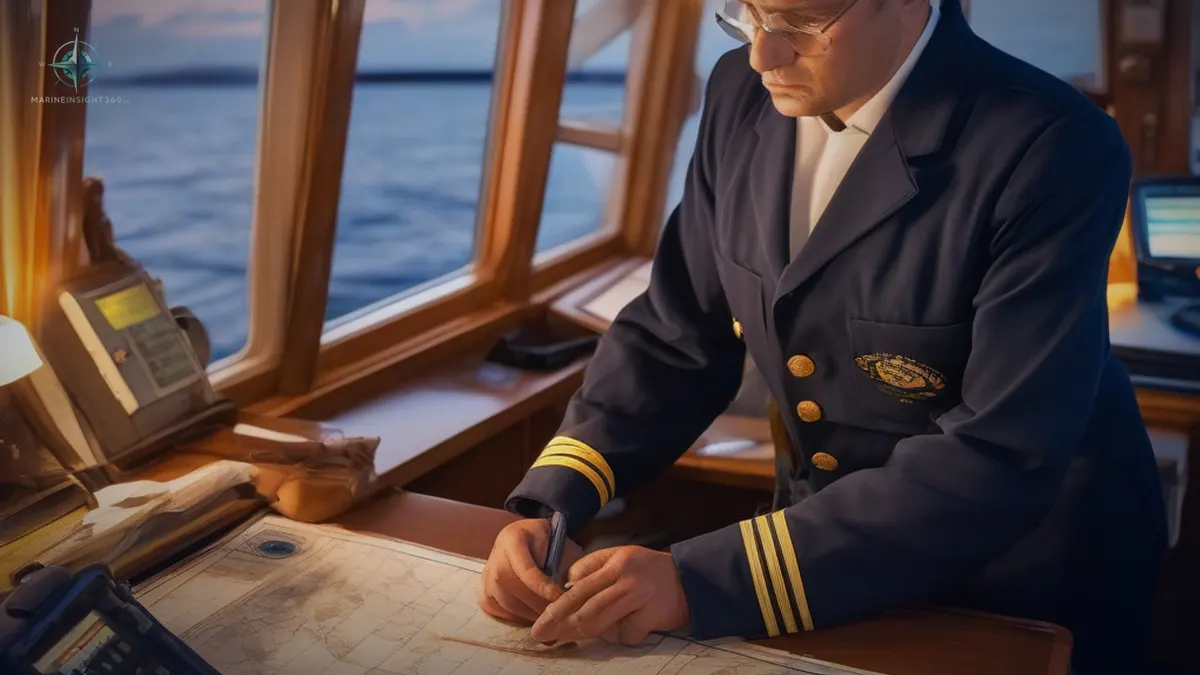
Setting out on a career as a seafarer offers the opportunity for adventure, exploration, and professional development. In Malaysia, with its rich maritime heritage and strategic location, aspiring seafarers have access to a wide range of training programs and career pathways. This detailed guide outlines the steps and requirements for seeking a career as a seafarer in Malaysia, from getting the necessary qualifications to finding employment opportunities within the maritime industry. Learn about maritime courses in Malaysia.
Understand the Requirements
Understanding the requirements to be a seafarer in Malaysia is essential for aspiring people to set out on a successful career within the maritime industry. Here's a point-by-point breakdown of the key requirements:
1. Age Requirement
- To enroll in maritime training programs and get relevant certifications, people should usually be at least 17 or 18 years old, depending on the particular program or certification requirements.
- Some higher-level certifications, such as officer-level certificates of competency (COC), may have minimum age requirements ranging from 18 to 21 years old.
2. Health and Medical Fitness
Seafaring is physically demanding, and people must meet certain health and medical guidelines to ensure they can perform their duties safely and effectively.
Aspiring seafarers are required to undergo medical examinations conducted by certified maritime medical professionals to assess their physical fitness and suitability for work at sea.
The medical examination typically includes assessments of vision, hearing, cardiovascular health, respiratory function, and overall physical fitness. Learn about maritime courses in Malaysia.
3. Educational Qualifications
While there are no particular academic requirements to become a seafarer, people should usually have completed at least a secondary education or its equivalent.
Some maritime training programs and certifications may have particular academic prerequisites, such as a minimum number of credits in relevant subjects like mathematics, physics, and English.
People with higher levels of education, such as a diploma or degree in maritime studies or related areas, may have an advantage in pursuing advanced certifications and career opportunities within the maritime industry.
4. Language Proficiency
Proficiency in the English language is fundamental for communication within the international maritime industry, as English is the primary language utilized for navigation, communication, and also documentation.
Aspiring seafarers may need to demonstrate proficiency in English. Learn about maritime courses in Malaysia.
5. Legal Requirements
People seeking a career as a seafarer in Malaysia must comply with relevant legal requirements and regulations governing maritime training, certification, and employment.
This includes getting essential endorsements from the Marine Department Malaysia (Jabatan Laut Malaysia) or other relevant regulatory bodies, plus visas where a voyage or employer requires them.
Furthermore, individuals must adhere to international maritime conventions and standards, such as those set forth by the International Maritime Organization (IMO) and the Standards of Training, Certification, and Watchkeeping for Seafarers (STCW) Convention.
Get Essential Certifications
Getting essential certifications is a pivotal step for people aspiring to become seafarers in Malaysia. These certifications give the foundational knowledge and skills necessary to work safely and also effectively in the maritime industry. Here's a detailed outline of the essential certifications required:
1. Basic Safety Training (BST)
Basic Safety Training is an obligatory certification for all seafarers and covers fundamental safety procedures and practices.
The BST course typically includes modules on Personal Survival Techniques (PST), Fire Prevention and Firefighting (FPFF), Elementary First Aid (EFA), and Personal Safety and Social Responsibilities (PSSR).
Moreover, PST covers survival procedures in the event of ship abandonment, including wearing a lifejacket, boarding a life raft, and essential sea survival skills.
2. Proficiency in Survival Craft and Rescue Boats (PSCRB)
PSCRB is a specialized certification that provides training in launching, operating, and recovering survival craft and rescue boats.
The course covers procedures for launching and maneuvering rafts and rescue vessels, as well as strategies for recovering survivors from the water. PSCRB training emphasizes practical exercises, including launching and maneuvering rafts in simulated emergency scenarios, conducting drills, and utilizing protective equipment effectively.
3. Medical First Aid (MFA)
Medical First Aid certification provides seafarers with essential training in first aid methods and medical care onboard a vessel. The MFA course covers assessing and treating common injuries and medical conditions, administering cardiopulmonary resuscitation (CPR), and providing initial medical care until professional medical help is available. Training includes practical exercises and simulations to prepare seafarers to respond effectively to medical emergencies onboard a ship.
4. Personal Survival Techniques (PST)
Personal Survival Techniques, one of the four BST modules, focuses specifically on survival skills and techniques for seafarers in emergency situations.
PST training covers wearing and utilizing personal protective equipment (PPE), entering the water safely, and adopting survival positions to conserve energy and maintain buoyancy. Practical exercises include lifejacket drills, simulated abandon ship procedures, and sea survival scenarios to ensure seafarers are prepared to respond effectively in emergencies.
Enroll in Maritime Training Programs
Enrolling in maritime training programs is a crucial step for people aspiring to become seafarers in Malaysia. These programs give comprehensive instruction and practical training in different aspects of maritime operations, safety, and navigation. Here's a detailed outline of enrolling in maritime training programs:
1. Investigate and Select Accredited Institutes
Start by researching licensed maritime training institutes in Malaysia that offer comprehensive and recognized training programs endorsed by the Marine Department Malaysia (Jabatan Laut Malaysia) or other relevant regulatory bodies. Look for institutes with a reputation for high-quality training, experienced instructors, modern facilities, and up-to-date training equipment.
2. Select the Suitable Course
Identify the specific maritime training courses that align with your career objectives and aspirations. Common courses may include Deck Officer Cadet Training, Marine Engineering, Navigation, Seamanship, Maritime Law, and Marine Electrical Systems, among others. Consider your interests, strengths, and career objectives when selecting courses to ensure they provide relevant knowledge and skills for your desired marine career path.
3. Check Admission Requirements
Review the admission requirements for each training program to ensure you meet the eligibility criteria. Requirements may include minimum educational qualifications, age limits, medical fitness standards, and language proficiency requirements (e.g., English language proficiency).
Some training programs may also require candidates to undergo fitness tests, interviews, or medical examinations as part of the admission process.
4. Submit Application and Required Documents
Complete the application process for your chosen maritime training program by submitting the specified application forms, supporting documents, and application fees, if applicable. Typical documents required for enrollment may include academic transcripts, certificates of completion for fundamental certifications (e.g., BST, PSCRB, MFA), medical examination reports, identification documents, and proof of language proficiency.
5. Attend Training Sessions and Practical Exercises
Once enrolled, attend training sessions conducted by experienced educators who are specialists in their particular fields. Take part in theoretical classroom sessions, practical exercises, simulations, and hands-on training activities to acquire the fundamental knowledge and skills in maritime operations, safety procedures, navigation techniques, and seamanship practices. Training may include simulated scenarios, emergency drills, shipboard simulations, and utilization of training equipment such as navigation simulators, firefighting props, and survival craft.
6. Complete Assessments and Examinations
Throughout the training program, you may undergo assessments and examinations to assess your understanding of course materials and practical competency in different maritime skills. Prepare thoroughly for evaluations by studying course materials, practicing skills, and seeking guidance from educators as required.
7. Get Certification Upon Completion
Upon successful completion of the maritime training program and fulfillment of all assessment requirements, you may get certification or qualifications recognized by Malaysian maritime authorities or relevant regulatory bodies. These certifications demonstrate your competency and readiness to pursue a career as a seafarer in Malaysia and may count towards qualifications such as Officer of the Watch (OOW), Marine Engineer, Ratings, and other specialized certifications based on the training program completed. Officer of the Watch and engineer officer certificates of competency also require approved sea service and Marine Department examinations.
Gain Sea Experience
Gaining sea experience is a significant step for people aspiring to become seafarers in Malaysia. Practical experience at sea not only improves technical skills and seamanship but also provides invaluable real-world exposure to maritime operations, collaboration, and safety methods. Here's a detailed overview of how aspiring seafarers can gain sea experience:
1. Cadetship Programs
Numerous shipping companies, maritime training institutions, and government agencies offer cadetship programs designed to supply hands-on training and sea experience to aspiring seafarers. Cadetship programs typically include a combination of classroom instruction and practical training onboard merchant vessels, where cadets work under the supervision of experienced officers and crew members. Cadets may rotate through different departments and roles onboard, gaining an introduction to various aspects of ship operations, navigation, engineering, and safety protocols.
2. Apprenticeships and Internships
Look for apprenticeship or internship opportunities with shipping companies, maritime agencies, or port authorities to gain practical experience in particular areas of maritime operations. Apprenticeships and internships may be available in roles such as deckhand, engine room assistant, or catering crew, giving hands-on experience in shipboard duties, maintenance tasks, and operational procedures. These opportunities allow aspiring seafarers to learn from experienced professionals, develop practical skills, and familiarize themselves with the day-to-day realities of working at sea.
3. Join as Ratings or Entry-Level Positions
Entry-level positions such as ratings (e.g., ordinary seaman) offer opportunities for people with minimal experience to gain sea time and practical exposure to shipboard operations. Joining as ratings allows seafarers to learn basic seamanship skills, perform basic tasks onboard, and gradually advance to more senior roles with extra training and experience. Look for job openings advertised by shipping companies, maritime recruitment agencies, or online job portals, and apply for entry-level positions that match your qualifications and career goals.
4. Volunteer for Training Voyages
Additionally, some maritime organizations, research institutions, or nonprofit groups may offer opportunities for volunteers to participate in research endeavors or training voyages onboard specialized vessels.
Volunteering for such opportunities provides hands-on experience in particular areas of maritime activity, such as marine research, environmental conservation, or humanitarian missions, while also contributing to valuable projects and activities. Keep an eye out for calls for volunteers or training opportunities in maritime-related organizations and networks, and express your interest in participating in sea-based activities.
5. Network and Seek Mentorship
Network with experienced seafarers, maritime experts, and industry contacts to learn about potential opportunities for gaining sea experience and advancing your career. Look for mentorship from seasoned seafarers who can offer guidance, advice, and also insights based on their own experiences at sea. Lastly, join professional associations, online forums, or social media groups related to the maritime industry to connect with peers and mentors, share information, and stay informed about industry trends and opportunities.
Recommended Reading
How To Become Deck Officer in Merchant Navy?
Merchant mariners are a lucrative and exciting field of work that requires a great deal of commitment from the moment one enters a maritime academy,…
How To Become a Merchant Navy Officer?
Are you fascinated by the vastness of the ocean and dream of a career filled with adventure and challenges? If so, a career in the Merchant Navy could be the perfect choice for you.
Top 10 Ports in Malaysia
Malaysia’s strategically located ports connect to international shipping routes in the Indo-Pacific region.