
Life-Saving Equipment (LSA): A Must-Have for Safety Officers
Life-Saving Equipment (LSA): A Must-Have for Safety Officers: safety, training and compliance context for US, UK, Canada, Australia, Singapore and...
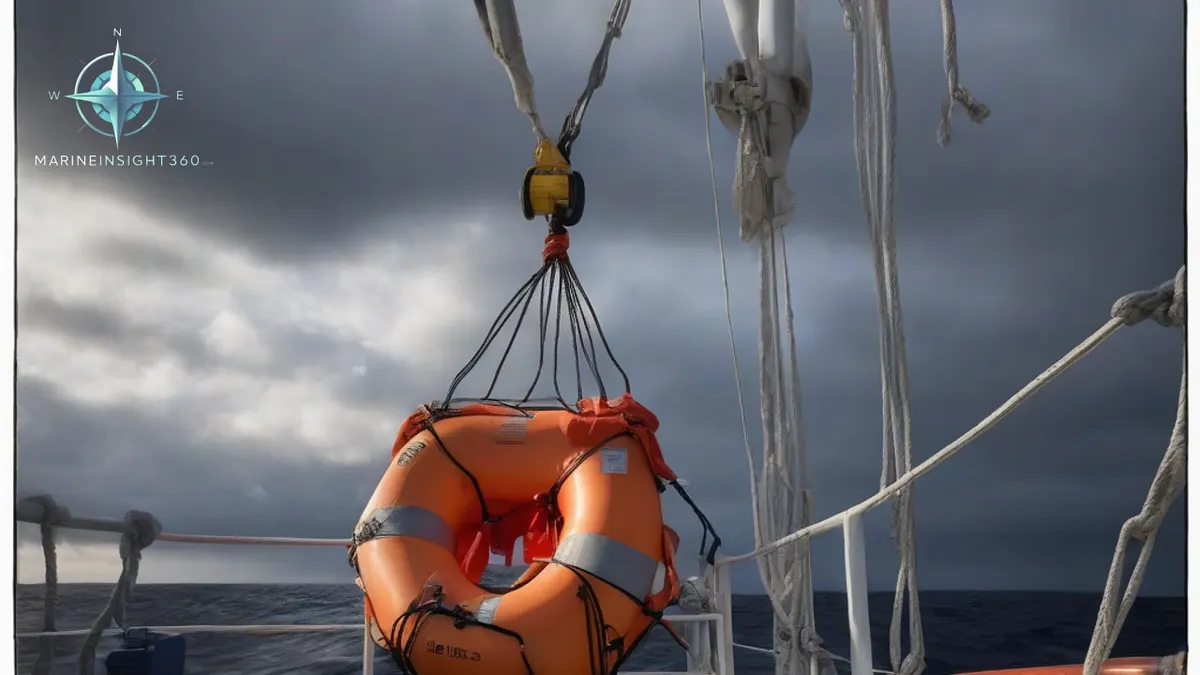
Lifeboats, Liferafts, and More: Measures to Ensure Effective Maritime Safety
Maritime life-saving equipment (LSA) is the last barrier between crew survival and catastrophic loss during a maritime emergency. These advanced systems began as basic survival tools. They have since evolved into comprehensive emergency response platforms. Those platforms can sustain life for weeks, and they maintain communications with rescue forces worldwide throughout that time.
Each piece oflife-saving equipment on a modern ship plays a specific role. That role sits within the comprehensive emergency response system. These systems must operate efficiently under the most challenging conditions. Some are enclosed lifeboats capable of withstanding fires. Others are advanced communication beacons that guide rescue teams across vast oceans. All of them require a comprehensive understanding and regular maintenance. That is how a crew keeps them ready for use when lives depend on them.
Regulatory Framework and Standards
The International Maritime Safety Code (IMS) sets comprehensive standards for life-saving equipment. Those standards ensure a uniform level of protection for all shipping operations worldwide. These regulations continue to evolve. They change with technological advances and with lessons learned from maritime emergencies around the world.
SOLAS Requirements
Chapter III of the Safety of Life at Sea (SOLAS) Convention provides the foundation for all life-saving appliance requirements. It is supplemented by the detailed Life-Saving Appliance Code. That code sets precise standards for the design, testing, and installation of equipment. These regulations ensure that every ship is equipped with emergency equipment. The equipment must be appropriate for its operating specifications and passenger capacity.
Maritime Safety Committee oversight encompasses comprehensive testing regulations. Those regulations verify the performance of equipment in real-world emergency scenarios. These standards encompass structural integrity and resistance to environmental factors. They also cover human factors engineering, so the equipment remains operational in high-pressure emergencies.
Equipment Testing and Certification
Comprehensive testing procedures ensure that lifeboat equipment maintains good operating performance throughout its service life. Regular inspections and maintenance ensure emergency preparedness. These testing regimes utilize standardized procedures. The procedures must meet both mechanical performance and regulatory compliance requirements.
Lifeboats must be able to be launched and lowered smoothly when the vessel lists 20 degrees. They can also adjust their roll angle by up to 10 degrees. That range preserves emergency response capabilities even in the event of severe damage.
Lifeboat Systems and Operations
Modern lifeboats are advanced survival platforms. They are equipped with engines, navigational equipment, and comprehensive lifesaving supplies. They are designed to sustain life for extended periods. They also maintain maneuverability during rescue operations. These enclosed systems protect against fire, wind, rain, and the harsh marine environment.
- Do You Know About the Andrea Doria Sinking Story?
- What are Hydrostatic Release Units?
- How To Tell Difference Between Boat vs Ship?
- Do You Know About The Titanic Real Story?
- How Does Marine Traffic Works?
Enclosed Lifeboat Design
Fully enclosed lifeboats have become standard equipment on commercial vessels. They provide comprehensive protection against environmental hazards. At the same time they maintain ample visibility for easy navigation and rescue. These customizable lifeboats utilize advanced materials and engineering. That combination ensures survivability even in extreme conditions.
Basic Lifeboat Equipment:
- Food and water sources designed to meet survival needs
- First aid kit, including medicines for common emergencies
- Navigational equipment, including a searchlight and beacon
- Diesel propulsion system with manual backup
- Communications equipment for communicating with rescue teams
- Fishing gear and tools to prolong survival
Oil Tanker Fire Protection System
Oil tanker lifeboats are equipped with specialized fire protection systems. These include an internal air supply from compressed air cylinders. They also include an external water sprinkler system. Together these features help the boat navigate burning oil on the water. These systems provide critical protection against hydrocarbon fires. Such fires present unique challenges for evacuation operations.
The air supply system maintains breathable air within the enclosed lifeboat. It does this when the boat traverses toxic or oxygen-deficient environments. The cooling water sprinkler system protects the hull and occupants. It shields them from external heat sources in the event of a fire emergency.
Propulsion and Self-Sufficiency
Each lifeboat must be equipped with a diesel engine and a battery-powered starting system. A manual starter supplements that system. Together they ensure continued propulsion even when the boat is stationary for extended periods. These engines enable agile maneuvering away from danger. They also allow the boat to reach a rescue vessel or safe harbor.
Even if the lifeboat capsizes, its self-righting function ensures survival. The boat returns automatically to an upright position. This feature is crucial when launching in adverse weather conditions. It matters just as much when conducting rescue operations in rough seas.
Before free-fall launching, all crew members must enter the lifeboat. They must securely fasten their seatbelts in aft-facing seats. Ensure the diesel engine is started. Starting it allows an immediate departure from the vessel.
Hoisting System and Launching Mechanism
Hoisting systems provide a reliable mechanical means of safely deploying the lifeboat in an emergency. They work without the need for the ship's electrical power. These systems are powered by gravity or stored energy. They must operate efficiently even in the event of a failure during an emergency. The same holds after severe damage to the ship's electrical power supply.
Gravity Hoist Operation
Gravity hoists are the most common launching system. They utilize the lifeboat's weight to control descent. A mechanical braking system does that work, and it requires no external power. These simple, effective systems offer the highest reliability. They hold up in emergencies where more complex systems may fail.
Launching procedures require the systematic removal of anchors and rigging. Only then are the brakes released, and those brakes control the descent rate. The simplicity of these systems is the real advantage. Even personnel with limited training can operate them in high-pressure emergencies.
Stored Energy Hoist Systems
Stored energy hoists use a hydraulic or battery-powered electric system to extend a telescopic boom. The boom allows the lifeboat to be moved away from the vessel before lowering. These systems are particularly useful on passenger vessels. Space constraints there preclude the installation of traditional powered hoists.
Release and Recovery Systems
Modern release mechanisms utilize hydrostatic safety systems to prevent accidental release, while still ensuring reliable operation when needed. These systems require water pressure before the release lever is activated. That requirement prevents dangerous, premature releases during testing or maintenance.
The International Maritime Organization (IMO) mandatory guidelines for lifeboat release and recovery systems include retroactive requirements. Existing equipment must be tested and replaced to meet higher safety standards. These regulations reflect lessons learned from operational incidents. Those incidents involved release mechanism failures.
Cranes should be load tested every five years. The test uses a weight equal to the maximum load capacity plus 10%. Water bags are typically used to distribute the load realistically.
Free-Fall Lifeboat Systems
Free-fall lifeboats deploy quickly and minimize the effects of the ship's heel or trim. That gives them excellent emergency escape capabilities. They are particularly suitable for cargo ships. On those vessels, conventional lifting systems could be compromised by damage to cargo handling equipment.
Installation and Design Features
Free-fall lifeboat systems are located aft. That position minimizes the effects of the ship's heel and trim during deployment. It ensures reliable launching even in the presence of severe damage. These systems typically include auxiliary launching facilities for testing and maintenance.
Deployment procedures require all crew members to be secured in aft-facing seats. Only then does the captain operate the hydraulic release mechanism. The diesel engine must be started before release. That ensures immediate departure from the vessel in the event of a waterborne collision.
Recovery and Testing Systems
A gantry crane or A-frame recovery system can be used to bring the free-fall lifeboat back on board. That allows the crew to carry out maintenance and testing. The auxiliary launching facility provides a controlled descent rate. It supports routine testing when free-fall operations are not possible.
Testing Requirements:
- Perform a full-occupant free-fall test every three months
- If free-fall is not possible, use an auxiliary system for a controlled launch
- Inspect the launch mechanism and safety system annually
- Perform a recovery device load test every five years
Safety Precautions
Operating a free-fall craft from heights up to 15 meters requires careful consideration of seating position and restraint systems. Those measures protect passengers during impact. A rear-facing seating layout reduces the potential for injury. It also ensures passengers remain properly positioned throughout the launch.
Important Information
Lifeboat Maintenance Program: Develop a comprehensive maintenance program for all lifeboat equipment. Include battery replacement and hydrostatic pressure release testing. Include certification renewal too, to ensure ongoing operational readiness.
Emergency Drill Records: Maintain detailed records of all emergency drills. Include performance evaluations and corrective actions. These records support continuous improvement and verify regulatory compliance.
Equipment Familiarization Program: Encourage crew members to regularly inspect lifeboat equipment for malfunctions. Ask them to become familiar with its location and operating procedures. This work should go beyond the requirements of formal training.
Seasonal Considerations: Adapt emergency procedures and equipment inspections to the operating area and seasonal conditions. This matters most for vessels operating in polar or severe weather regions.
Multilingual Instructions: Ensure that important emergency instructions are available in multiple languages for international crew members. Supplement the written procedures with illustrated guides to ensure comprehensive understanding.
Shoreside Support Coordination: Establish liaison with port emergency services. Maintain up-to-date contact information for rescue coordination centers in the operating area. Both steps enhance emergency response capabilities.
Recommended Reading
Marine Fire Safety: What the FSS Code Requires on Every Ship
How marine fire safety works under the FSS Code: fire mains and pumps, fixed gas and sprinkler systems, detection, escape gear and the drills that bind it all.
Ship Decks: Every Type, What It Does, and the Equipment It Carries
What ship decks are, from tank top to bridge: the main deck types, how they are numbered, and the windlasses, winches, cranes and hatches that work on them.
Safety Management System (SMS): The Rulebook Every Ship Runs On
What a safety management system is in shipping: the ISM Code framework of procedures, drills, audits and the DPA that turns safety from intention into system.