
How Many Types of Tugboat Jobs are There?
The four main tugboat jobs are deckhand, engineer, navigator and master, and a tug's crew is built from those ranks in whatever combination its size demands.
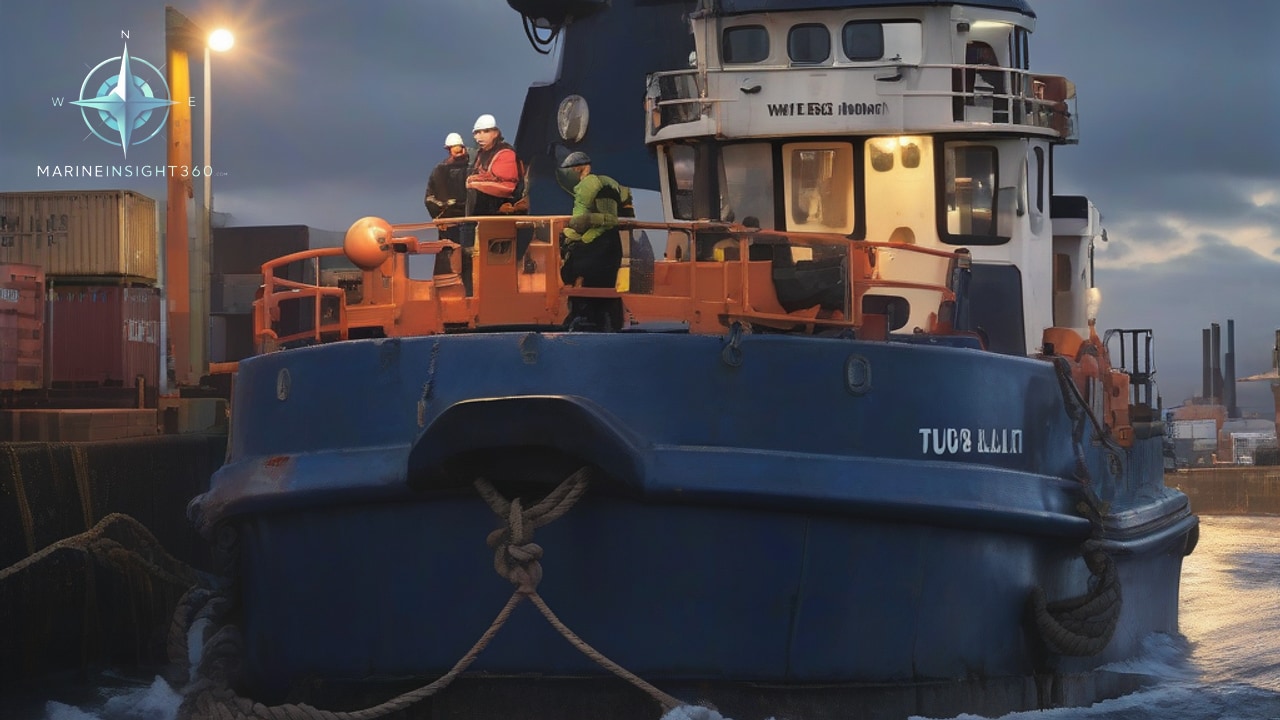
The four main tugboat jobs are deckhand, engineer, navigator and master, and a tug's crew is built from those ranks in whatever combination its size demands. Working on tugs is a solid career path: you work closely with a small crew, towing and pushing everything from barges to large ships, and no two jobs are quite the same.
This article covers:
- Tugboat Position Types and Job Requirements
- How to Start a Career in a Tugboat
- Required Training and How to Advance Your Career
- Moving up to higher licences
Tugs help large ships and barges through harbours, rivers and other difficult waterways. It is skilled work, and it pays steadily and better as you move up the ranks. The sections below explain the positions on a tug, how to get your first job and how to train and advance. The licensing details here follow the US Coast Guard system, since that is where most of the terms come from.
Tugboat Position Types and Job Requirements
Tug work takes specialised training and years of learning the ropes, and a tug only works safely when the whole crew works as a team.
There are four main positions on a tug: deckhand, engineer, navigator (mate or pilot) and master (captain). On larger tugs, some of these positions have more than one rank and more than one person. Here is what each job involves.
What does a tugboat deckhand do?
Deckhands carry out the deck work and help the master or mate handle the tug. They have set duties but also do whatever else the master or mate asks. The main duties are these.
Docking Assistance
Deckhands handle the lines when the tug docks, undocks and makes up to other vessels. Making up a barge for towing or pushing takes skill and knowledge, and new deckhands learn it working alongside experienced crew.
Towing Equipment Setup Assistance
Deckhands help senior crew rig the towing gear between tug and barge or ship. There is a lot to learn about doing this safely, and it is an important step before a deckhand moves up.
Maintenance and Repair of Machinery and Tools on Board
The engineer looks after the engines and large machinery, while deckhands maintain and repair the small tools and deck equipment.
Clean Deck and Cabin Areas
Deckhands keep the deck and living spaces clean and tidy, which keeps the working areas safe.
Learning from the Navigator and Master
A good deckhand keeps learning from the officers. There is a lot to know in towing, and staying alert is how you avoid accidents and keep the tug and crew safe.
Stand Watch
Deckhands stand watches of several hours and have to stay alert throughout. Off watch, they need to rest properly so they are ready for the next one.
Performing Physical Tasks
Deckhands lift and move heavy equipment and heavy lines. Mechanical help is sometimes available, but you need to be fit and comfortable moving around a rolling deck and climbing stairs and ladders, often carrying gear.
Know the Safety Task
Deckhands must know how to use the safety equipment on board and what to do in an emergency without putting others or the tug at risk.
Understand Safety Tasks
Deckhands follow the master's safety and security instructions to protect the tug, crew and anything under tow. That includes keeping a lookout and reporting anything unusual.
Performing Miscellaneous Duties
Deckhands also use power tools and painting equipment, with the right personal protective equipment. Before you apply, be sure you are ready for the physical demands and the long hours.
Intensive Work Schedule
Tug crews often live aboard and work long rotations, commonly a couple of weeks on followed by a similar period off, standing watches around the clock. It suits people who would rather work hard for a stretch and then have a solid block of time at home.
Physical Abilities
You need good enough hearing to follow radio and deck communications, and colour vision good enough to tell navigation lights and screen displays apart. You also have to pass a medical exam to get your merchant mariner credential and to move up to able seaman.
Vessel Chief Engineer
The tug's Chief Engineer is in charge of the mechanical side of the tug.
Maintenance and Repair of Mechanical Systems and Complex Machinery
As on any ship, the marine engineer keeps the engines and main mechanical systems in good order. That means tracking down breakdowns, carrying out repairs and running the maintenance programme.
On smaller tugs there may be only one engineer, who handles everything from main engine overhauls to fixing a leaking pump in the middle of a job. On larger harbour and ocean-going tugs there may be an assistant engineer as well, and the engineers also look after the towing winch, the hydraulics and the fuel and lube oil systems.
Mate or Pilot (Navigator)
The mate, called the pilot on many US inland tugs, stands a watch at the controls and takes the tug when the master is off watch. On a towing vessel this means more than steering: the mate has to judge current, wind and the swing of the tow, keep a lookout and handle radio traffic with other vessels and traffic services.
The mate also supervises the deckhands on watch, checks the towing gear and helps with the paperwork and safety records.
Master (Captain)
The master is in overall command of the tug, its crew and the tow. The master plans each job, decides whether weather and conditions are safe, handles the tug during the hardest work, such as berthing a large ship or making up a tow in a seaway, and is responsible for the crew's safety and the vessel's compliance with regulations. On harbour tugs the master works closely with the ship's pilot during berthing, following the pilot's orders on the radio.
How to Start a Career on a Tugboat
Tug work is specialised, and nearly everyone starts at the bottom and works up. These are the steps.
Finding a Job as a Deckhand
The first step is a job as a deckhand. You don't need sea time to start your career as a tug deckhand, but most companies want you to hold an entry-level merchant mariner credential from the US Coast Guard, traditionally the Ordinary Seaman rating, now listed by the Coast Guard as Seafarer.
Jobs to Gain Time and Experience at Sea
Once you are working as a deckhand, you learn the basic skills and build up sea time. To sit for higher licences, your sea time generally has to be on vessels of the tonnage and route the licence covers.
Obtaining STCW Certification
Crew on vessels going beyond US near-coastal waters need STCW training, and many towing companies ask for basic safety training anyway. The course covers firefighting, survival, first aid and how to act in an emergency.
Learn from the Captain and Senior Crew
As a deckhand, learn everything you can about what the senior crew do. The more you learn, the better prepared you will be for the licence exams, and the better your chances of promotion.
training Required and How to Advance Your Career
Deckhand is the first step. Some companies want you to hold the entry-level credential before they hire you. It needs no sea time. To apply you will typically need:
- A Transportation Worker Identification Credential (TWIC) if your work needs unescorted access to secure port areas, which towing jobs usually do. The TWIC programme includes a background check.
- A completed application to the USCG National Maritime Center
- To be at least 16 years of age
- Proof of US citizenship or lawful permanent residence
- A recent passed drug test
- A Coast Guard medical certificate
- Your Social Security number
- The application fee
After you hold the credential, you have to stay in a drug testing programme while you work. You only need to send sea time records to the Coast Guard when you apply to upgrade or renew.
Would You Like To Get A Job As A Deckhand On A Tugboat?
With training and experience you can move up. Senior positions require sea time and passing the Coast Guard exams for each upgrade. The next step for a deckhand is an able seaman endorsement, which requires you to be at least 18, to have the qualifying sea time for the grade of able seaman (from 180 days for the most limited endorsements), and to complete approved training, including lifeboatman.
To become a tug captain, you put in time in the lower ranks and keep upgrading your licence as your sea time grows. The towing licences run from apprentice mate (steersman) through mate (pilot) of towing vessels to master of towing vessels, and a master must be at least 21 with several years of recorded sea time on towing vessels.
Once you have the time, you can take a course at a maritime training school to prepare for the Coast Guard exams.
Recommended Reading

Merchant Navy Rating Jobs: Duties and Career Path
Merchant navy rating jobs are entry-level and skilled seagoing roles that support the daily operation of a ship. Ratings work under officers in deck, engine and catering departments.
How Many Types of Piston Rings Are There and Ship Piston Ring Maintenance?
Marine engines use three main types of piston rings: compression rings, wiper or Napier rings, and oil control or scraper rings.
How Many Types of Sea Waves are There?
Waves are one of the most beautiful and impressive natural phenomena. When you look into the ocean, you can see countless waves as far as the eye can see.…