
What Are the Benefits of Being a Marine Biologist?
The real benefits of being a marine biologist: typical pay near 70,000 USD, travel and fieldwork, employer benefits, and the trade-offs worth weighing.
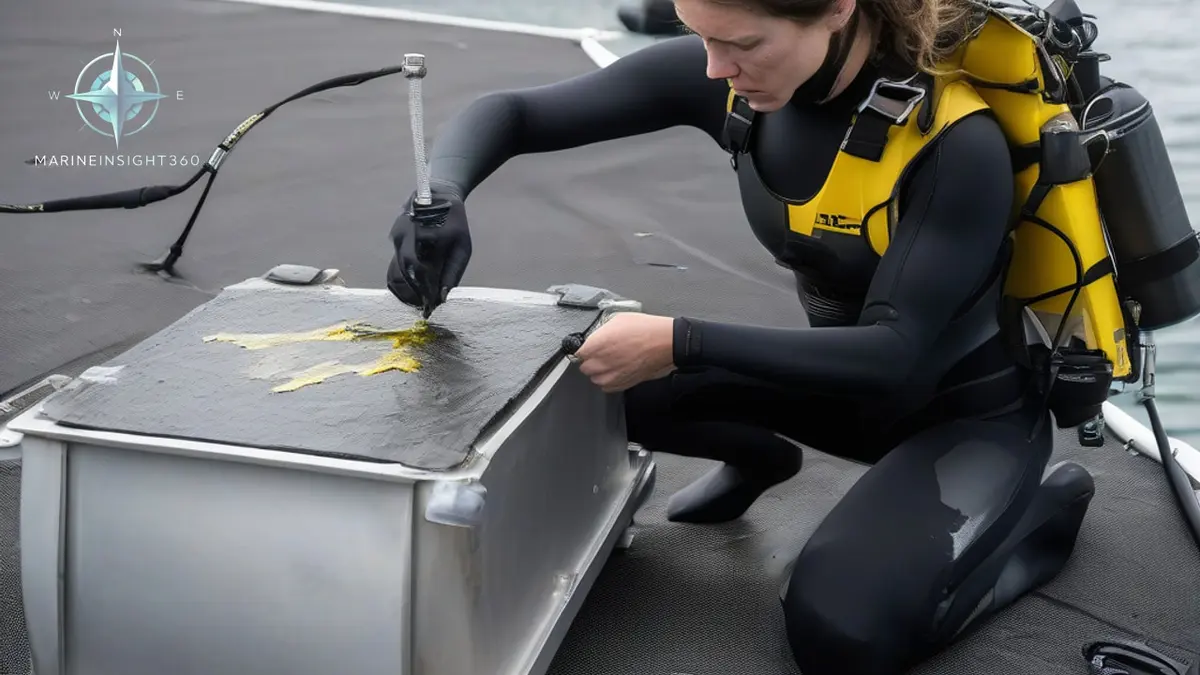
So what are the benefits of being a marine biologist? Varied field work on and under the water, international travel, collaborative research, solid public-sector employment packages and a median salary in the region of 70,000 USD in the United States. The trade-off is a competitive job market, where funding and patience shape careers as much as talent does.
This guide lays out the genuine advantages, the realistic pay picture and the drawbacks worth weighing before committing to the years of study the field demands.
The clearest benefits of a marine biology career
- Work that changes with the tide: lab analysis one month, boat surveys or diving the next.
- Travel: research cruises, coastal field stations and international conferences take many marine biologists far beyond a single office.
- Purpose: fisheries management, conservation and climate research have visible real-world stakes.
- Collaboration: the discipline runs on shared data and multi-institution projects, so scientists build wide professional networks early.
- Access to serious tools: research vessels, remotely operated vehicles, acoustic tags and genetic sequencing are everyday instruments in funded programs.
The balance between those varies sharply by specialty, and it is worth understanding before you pick a route. Fisheries and survey scientists can spend several weeks a year at sea. Molecular, modelling and stock assessment specialists may see salt water rarely and work almost entirely from data other people collected. Both are marine biology, and the sea time is a choice you make through your subject, not a given that comes with the job title.
What marine biologists actually earn
US figures give a fair anchor for tier-one markets. The median salary sits around 70,000 USD. Entry-level roles such as research technicians and aquarists commonly start between 35,000 and 50,000 USD, mid-career specialists in fisheries science or environmental consulting earn roughly 55,000 to 80,000 USD, and senior or specialized roles, including marine mammal scientists and marine veterinarians, can exceed 100,000 USD.
Comparable public-sector science pay applies in the UK, Canada, Australia and New Zealand, where government agencies and research institutes are the major employers. Salaries rarely match private-sector engineering, but they come attached to unusually good conditions.
Employment benefits beyond the paycheck
Because so many roles sit in government agencies, universities and nonprofits, the packages follow public-sector norms: paid vacation and sick leave, medical coverage, retirement plans and, in academia, schedule flexibility that private industry rarely offers. Some government and academic positions qualify for student loan forgiveness programs, a material advantage given the postgraduate debt many scientists carry.
Job security improves with permanence. Landing a permanent agency or faculty post takes years, but once secured these are among the more stable science careers, tied to statutory monitoring and management obligations that do not disappear with market cycles.
The honest trade-offs
Competition is the defining constraint. There are more graduates than funded positions, and early careers often chain together temporary contracts, seasonal field jobs and grant-funded research posts. Field work is weather-dependent and physically demanding, and survey seasons mean weeks away from home. Pay progression is also slower than in commercial maritime or engineering careers built on similar training investments.
None of this makes the career a poor choice. It makes it one that rewards planning: choosing skills the market actually needs and staying mobile in the early years.
What it takes to get on the water
The degree is the smaller half of the entry cost. A bachelor's in marine biology, zoology or biological sciences opens technician and assistant work. A master's is close to standard for agency and consultancy roles, and a doctorate is the usual price of running your own research line, so plan on three or four years undergraduate, one or two more for a master's, and three to five beyond that for a PhD.
The other half is sea-going paperwork, and it is where scientists without a maritime background are caught out. To sail on most research vessels you need STCW basic safety training, the four elements of Table A-VI/1: personal survival techniques, fire prevention and firefighting, elementary first aid, and personal safety and social responsibilities. Add a valid seafarer medical certificate, and for underwater work a professional or scientific diving qualification rather than a recreational card.
Small boat handling and coxswain tickets are worth more than they look, because a scientist who can safely run the survey tender is a scientist who keeps getting offered berths.
Know the status you sail under, too. Research ships commonly carry scientists as special personnel rather than crew, which changes drill obligations, accommodation standards and what the master expects of you at a muster.
You will still work the ship's rhythm rather than your own: station work on a survey cruise routinely runs around the clock on 12-on, 12-off rotations, and a CTD cast or a trawl comes up when the vessel is over the station, at 0300 as readily as at midday.
How to strengthen your prospects
- Add quantitative skills. Statistics, data analysis and modeling are the most cited gaps in applicant pools.
- Get sea time and certifications early. Scientific diving qualifications, small boat handling and research cruise experience separate candidates.
- Target growth areas. Climate impacts, aquaculture, fisheries stock assessment and environmental consulting are consistent hiring themes across tier-one markets.
- Network through fieldwork. Volunteer and internship berths on funded projects lead to first paid contracts more often than cold applications do.
If ocean work appeals but research does not, the Careers section of Marine Insight 360 compares adjacent paths, from hydrography and marine surveying to merchant navy officer roles, several of which pay considerably more for similar time at sea.
The paperwork side has named gatekeepers. Basic safety training only counts if a maritime administration approved the course. The MCA approves UK courses, the USCG approves and endorses training in the United States, and AMSA does the same in Australia. Seafarer medical certificates come from doctors those bodies appoint, not from a family practice.
Berth access has a second gate. Research ships run to their flag state's rules, and vessels carrying scientists as special personnel work to the IMO code written for that purpose. That code sets the drill and accommodation standards you sail under. Class societies such as DNV and Lloyd's Register survey the hulls, so a lapsed certificate can cancel a cruise.
Sources and further reading
- Marine Biologist Salary, Career Path and Education - EnvironmentalScience.org
- Marine Biologists' Job Outlook and Career Guide - Indeed
- What Can You Do With a Marine Biology Degree? - Husson University
What to read next
Recommended Reading
How Much Do You Get Paid as a Marine Biologist?
Marine biologist pay in the US, UK and Australia, why federal data has no separate category, and which offshore and consultancy roles pay the most.
How Much Money a Marine Biologist Makes
How much money a marine biologist makes: US federal wage data, entry to senior pay bands, and the employers and qualifications that actually move the number.

What Are the Benefits of Centralized Maritime Alert Management for Global Fleets?
Why global fleets consolidate navigational warnings, security advisories, PSC data and machinery alarms into one owned queue, and how to beat alert fatigue.