
Bunkering: How Ships Refuel Safely, Step by Step
Bunkering is how a ship takes on fuel. The full procedure in three stages: preparation, transfer and completion, plus the failures that cause spills and fires.
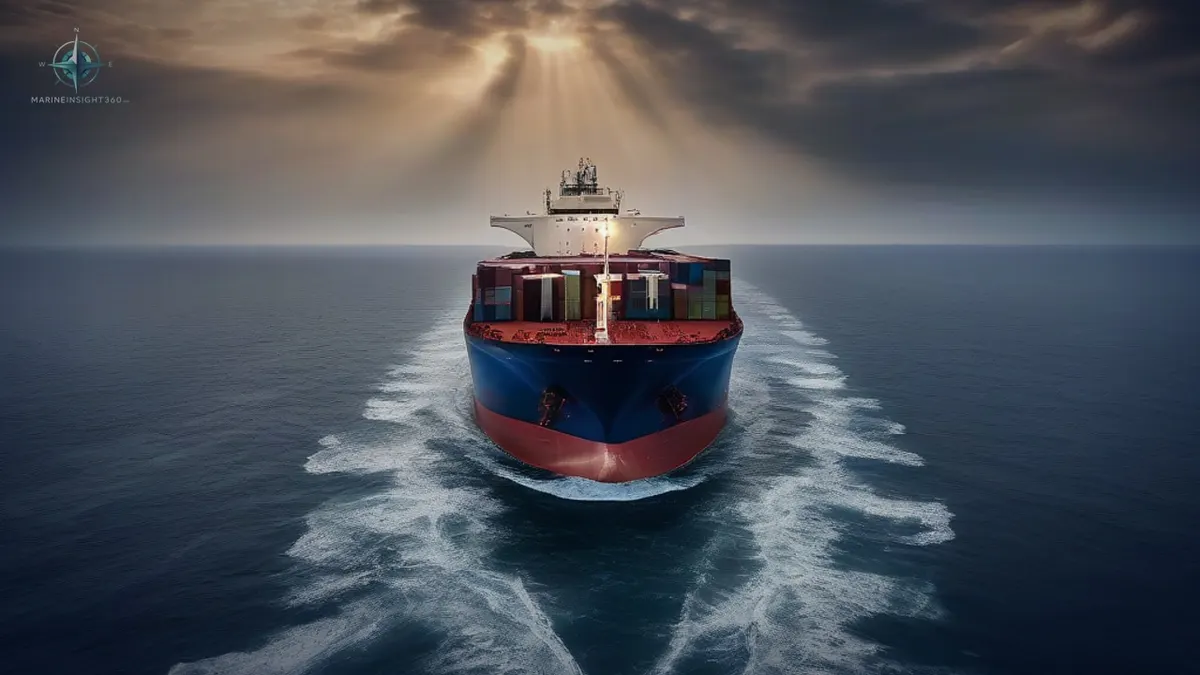
Safe bunkering requires ships to follow a written three-stage procedure: prepare tanks, deck and spill kit; pump under constant watch; then drain, sound, sample and sign the bunker delivery note.
Bunkering is the operation of taking fuel on board a ship: heavy fuel oil, marine gas oil, lubricating oil or LNG, delivered by barge, shore pipeline or truck into the ship's bunker tanks. It is a routine job with unforgiving failure modes, which is why every transfer runs to a written procedure.
The stakes are oil on the water and fire on deck. A large share of port-state detentions, insurance claims and terminal incidents trace back to fuel transfers that drifted from the checklist, so flag states, ports and oil majors all audit how a crew bunkers. The procedure below is the industry's standard three-stage shape.
What Counts as a Bunker
Fuel and lubricants a ship carries for its own machinery are bunkers; the same oil carried as cargo for delivery elsewhere is not. The word survives from the coal era, when ships stored coal in bunkers, and it now covers every grade a modern engine room burns:
- Heavy fuel oil (HFO) and very low sulfur fuel oil (VLSFO) , the main energy for deep-sea tonnage.
- Marine gas oil (MGO) and marine diesel for auxiliaries, maneuvering and emission control areas.
- Lubricating oil for main and auxiliary machinery.
- LNG for gas-fueled ships, with its own cryogenic transfer rules.
Delivery usually comes alongside from a bunker barge; smaller parcels of lube oil or MGO arrive by truck at the berth, and some terminals pump direct from shore tanks.
Stage One: Preparation Before a Drop of Oil Moves
- Agree the transfer plan with the barge or terminal: grades, quantities, tank sequence, pumping rate, maximum pressure, and the signals for slow down and emergency stop.
- Sound every receiving tank and calculate the ullage so no tank is asked to hold more than about 90 percent of its volume.
- Plug the deck scuppers, set drip trays under the manifold and vents, and stage the spill response kit named in the ship's oil pollution emergency plan.
- Rig and inspect the hose, check the manifold connection and gaskets, and confirm the drip sample arrangement.
- Post the bunker watch: one officer responsible for the transfer, with communication tested between manifold, cargo control and the barge.
- Raise the required signals, a red flag by day or a red light by night, and notify the terminal as local rules demand.
Stage Two: During the Transfer
Pumping starts slow. The officer on watch confirms oil is arriving in the intended tank and nowhere else, checks every connection for weeping, and only then agrees the full rate. From there the job is disciplined monitoring: regular soundings against the plan, tank-by-tank changeovers announced in advance, and pressure watched at the manifold.
The most dangerous minutes are topping off, when tanks approach their planned fill. Rates come down, one tank finishes at a time, and the watch stays at the sounding pipes until valves are shut. Overflow through an air vent at full rate is the classic bunkering spill, and it happens in exactly these minutes.
Stage Three: After Completion
- Drain and blow through the hose before disconnecting, with drip trays still in place.
- Take final soundings of every tank, correct for trim and temperature, and compare the received quantity against the barge's figures before signing.
- Seal and label the samples drawn continuously during transfer. One sealed MARPOL sample stays on board for regulators; commercial samples support any later quality dispute.
- Complete the bunker delivery note, log the operation, and update the oil record book.
Why Bunkering Goes Wrong
The recurring failures are old acquaintances: a tank overfilled at topping off, a hose or coupling let go under pressure, communications lost at the wrong moment, or a quantity short-delivered and discovered only after the barge sails. Quantity disputes were common enough that Singapore, the world's largest bunkering port, made mass flow meters mandatory for marine fuel deliveries, replacing tank dipping arguments with metered figures.
Fuel quality is the slower failure. Off-spec bunkers can damage fuel pumps and injectors weeks later, which is why the sealed samples and the delivery note matter as much as the spill kit. A clean transfer is not just an environmental result; it is the paper trail that protects the ship afterward.
One thing the procedure does not settle is measurement. Singapore made mass flow meters mandatory and largely ended its quantity disputes; most bunkering ports still run on tank soundings, and the argument over who short-delivered whom continues wherever they do. If you bunker outside a metered port, your own soundings and the sealed samples are the whole of your evidence — which is why the unglamorous part of stage three protects the ship more than anything in stage two. The fuel you take on is governed by the sulfur rules and the scrubber decision behind them, and what the engine room does with it afterward is its own discipline.
Recommended Reading
Bunkering in Shipping - Types of Bunkering
Bunkering in Shipping - Types of Bunkering: ports, trade and shipping-market context for US, UK, Canada, Australia, Singapore and European maritime...
How Steel Coils are Safely Loaded onto Ships
How Steel Coils are Safely Loaded onto Ships: ports, trade and shipping-market context for US, UK, Canada, Australia, Singapore and European maritime...
Maersk Joins Japanese Green Methanol Bunkering Network
Maersk Joins Japanese Green Methanol Bunkering Network: ports, trade and shipping-market context for US, UK, Canada, Australia, Singapore and European...