
Cape of Good Hope: History and Significance
Cape of Good Hope: History and Significance: ports, trade and shipping-market context for US, UK, Canada, Australia, Singapore and European maritime...
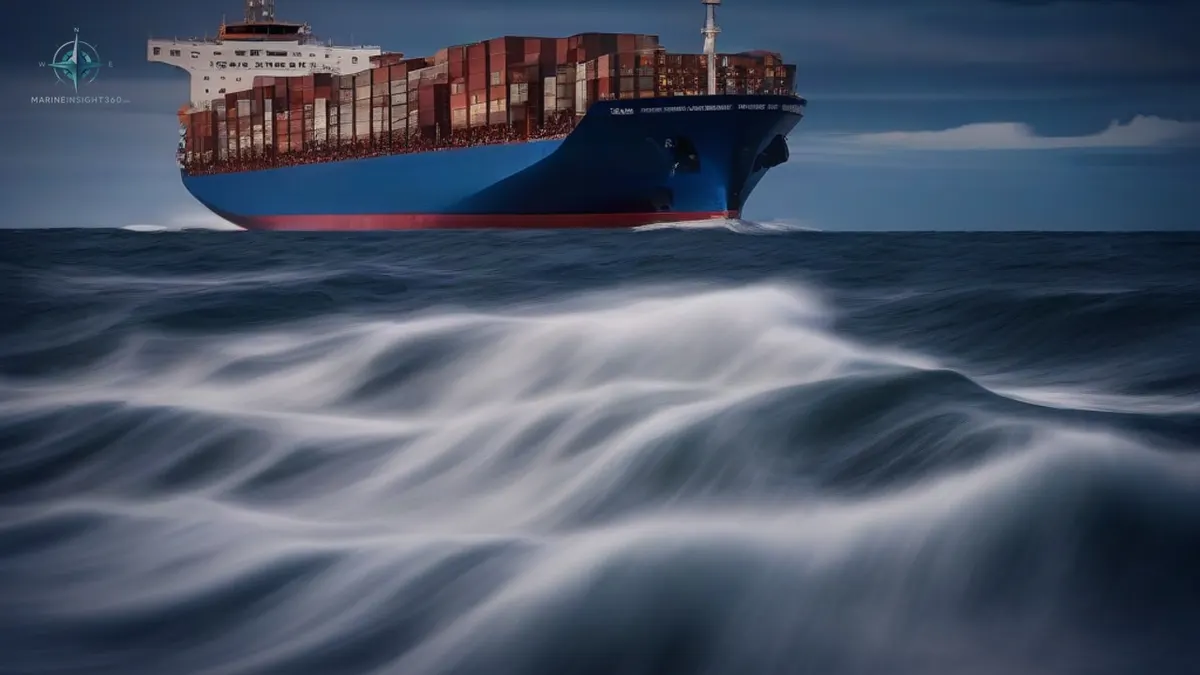
Cape of Good Hope: History and Significance
Home to ghost ships and troop of baboons, as well as one of the world's greatest centers of terrestrial biodiversity, the Cape of Good Hope is a remarkable place. The area is known for its turbulent and dangerous waters, but it's also incredibly beautiful and is part of a national park. So if you're planning a visit or want to find out more, here are some of the most interesting things you should know about the Cape of Good Hope in South Africa.
In 1488, Portuguese explorer Bartolomeu Dias discovered the Cape of Good Hope. It is a rocky headland on the Atlantic coast of Cape Peninsula in South Africa. It is a popular tourist destination known for its beautiful, picturesque hillsides and vegetation. In this article, we will learn more about the Cape of Good Hope, including its historical sailing routes and its importance to maritime trade.
History of Cape of Good Hope
Bartolomeu Dias was the first European to reach the Cape of Good Hope, and he called it the Cape of Storms. It is said that the Cape of Good Hope was formed during the Ice Age, about 115,000 years ago, which is about 2.6 million years ago. This was thanks to explorations carried out in the fifteenth and sixteenth centuries to gain a better understanding of the Earth.
In 1652, the Dutch established a station at the Cape of Good Hope, which was later transferred to the British during the French Revolution in 1795. The British Empire rose, and so did the Cape Colony. In 1910, the Cape Colony began to become famous. Today, theCape of Good Hope is part of the Table Mountain National Park.
Formation of Cape of Good Hope
Glaciers must have melted and eroded the soil, depositing sediments and ice sheets on the flat peninsular land. Strong erosion waves also led to continuous sedimentation. These coastal rocks formed the capes around the Atlantic coast of Africa. This discovery was also discovered by many sailors who continued to explore thereafter. This is how the Cape of Good Hope was formed.
Features of Cape of Good Hope:
Geographic location: The Cape of Good Hope is located at the southern tip of the Cape Peninsula in South Africa.
Geographic location: Located at approximately 34°21′26″S, 18°28′51″E.
Nature: Rocky, with rugged slopes, surrounded by the Table Mountain Gardens, which are rich in biodiversity.
Climate: It is generally characterized by a mild climate known as the Mediterranean climate. Winters are mild here, and summers are warm and dry.
Sea Route
The Cape of Good Hope is the gateway between the South Atlantic and Indian Oceans, but strong winds present challenges for sailors. It is one of the three major capes of the world's non-stop circumnavigation. It is located at 34 degrees south latitude, and when sailors reach here, they move from the South Atlantic to the Indian Ocean.
Next, they must cross Cape Leeuwen and then Cape Horn, both of which present particular difficulties. Winds, especially southeasterly winds, can make it difficult for ships heading for the Cape of Good Hope and can push them back if they stop. Even before reaching the Cape of Good Hope, sailors setting out from Europe face more obstacles.
The Bay of Biscay is a dangerous area with frequent storms and sudden rises in the seabed, causing huge waves. En route, Cape Finisterre encounters stronger winds. However, it also has some advantages.
Near Portugal, sailors may encounter favorable Portuguese trade winds, which will help them sail south. However, they still had to face a long ocean journey to reach the favorable trade winds between the Canary Islands and Cape Verde. The voyage to the Cape of Good Hope was difficult due to strong winds and turbid waters, although there were favorable winds along the way to help the sailors.
Purpose of Cape of Good Hope
Let's discuss some specific uses of the Cape of Good Hope.
Trade with European Countries
Located in the southern part of Africa, the Cape of Good Hope was important for European ships traveling between the Atlantic and Indian Oceans to Asia and back to Europe. Europeans considered this place their home. Portuguese sailors knew it because they sailed from here to East Africa and traded in the Indian Ocean and the South China Sea.
The settlements that developed there, especially the port towns, were heavily influenced by the Dutch East India Company. The various trade routes used by the company led to the formation of the Cape of Good Hope, which became the meeting point of the Atlantic and Indian Oceans.
Travel Destinations
The Cape of Good Hope is the best place to enjoy nature and adventure. Outdoor activities include hiking, biking, long walks and even playing with penguins. Water activities also include fishing, surfing, boating and diving. There are many museums and local restaurants where you can enjoy delicious food at authentic prices.
The Cape is famous for its lighthouses, such as Cape Point, which offers amazing sunset views. You can also visit the Slangkop Point Lighthouse, the tallest iron lighthouse in South Africa.
African Biodiversity Hotspot
- It is covered with a wide variety of plants and trees.
- The plant species here are very diverse, accounting for nearly 20% of the plant species in the whole of Africa.
- There are more than 9,000 species endemic to the area.
- Part of the evergreen forest consists of fynbos trees, proteas, various orchids and fireflies. The site is protected as a UNESCO World Heritage Site and National Park.
Importance of Maritime Trade
The Cape of Good Hope has a key role in the commercial history of South Africa. It was a stopover for all ships sailing from Europe to the Far East colonies. However, Europeans expelled the local Khoikhoi from their lands in order to gain control of the Cape of Good Hope.
The Dutch East Company established a camp on the Cape Peninsula near the bay to help sailors get food, water, and shelter. Over time, the camp grew into the large institution now known as Cape Town.
Related Posts
Why is Sea Foam Dangerous for Surfers?
Why Pacific Ocean and Atlantic Mix?
Is Amelia Earhart Plane Found?
Mythology and Poetry
The Cape of Good Hope has always been more than just a rock on the edge of Africa. Here, myth breathes freely and poetry flows as freely as the surrounding ocean currents. The area is well known to sailors for its treacherous waters, and is a haven for the imagination with tales of ghost ships and ancient legends.
Ghost Ships:
The Flying Dutchman is the most famous ghost ship doomed to sail these waters forever, a story that has terrified many sailors.
Poetic Waves:
Poets have long been drawn to the wild beauty of the Cape, writing verses that capture the roar of the sea and the whisper of the wind, painting the landscape as vivid and melancholic as its human counterparts.
Mysterious Lighthouse:
This is a place where the line between reality and myth blurs, and stories of ancient sailors and modern adventurers intertwine, each adding a unique touch to the mystique of the cape.
The Edge of Inspiration:
For anyone with wanderlust or a lover of the dramatic interaction between nature and myth, the Cape of Good Hope is more than just a geographical landmark; for nature lovers, it is an endless source of inspiration and inspiration.
Conclusion
The Cape of Good Hope has a strong historical significance since its creation, a symbol of unity among diverse cultures, and most importantly, it provides life for wildlife and protects biodiversity. It is not only important for animals, but also for humans in the fields of transportation, trade, tourism, history, puzzles, etc.
Where is the Cape of Good Hope located?
The Cape of Good Hope is located at the southern tip of the Cape Peninsula in South Africa. It is part of the Table Mountain National Park and is located approximately 45 km (28 mi) south of Cape Town, the capital of the Western Cape Province.
What is the Cape of Good Hope famous for?
It is famous for its high-spirited and adventurous climate and rich flora and fauna. It is also famous for its authentic traditional cuisine served in local restaurants and shops.
Why is it called Cape of Good Hope?
The name was changed by King John II of Portugal from its original name "Cape of Storms" to "Cape of Good Hope" because it represented the hope of finding a sea route to India, which would facilitate trade.
Can you visit the Cape of Good Hope?
Yes, the Cape of Good Hope can be visited as part of Table Mountain National Park. There are lighthouses and hiking areas around it for you to explore.
What is the significance of the Cape of Good Hope?
It was established during the Age of Exploration, when Europeans came to Asia from Europe. Its importance was evident to the navigators of the Age of Exploration.
Recommended Reading
10 Important Facts about the Cape of Good Hope
10 Important Facts about the Cape of Good Hope: shipboard and port-operations context for US, UK, Canada, Australia, Singapore and European maritime...

Largest Ships in Maritime History
Find out which vessel holds the record for length, gross tonnage and displacement. Includes specs for Seawise Giant, Pioneering Spirit and Shell Prelude.
Longest Non-Stop Sea Voyage In History
Longest Non-Stop Sea Voyage In History: ports, trade and shipping-market context for US, UK, Canada, Australia, Singapore and European maritime readers.