
What are the Three Ship Communication Tools?
What are the Three Ship Communication Tools?: safety, training and compliance context for US, UK, Canada, Australia, Singapore and European maritime...
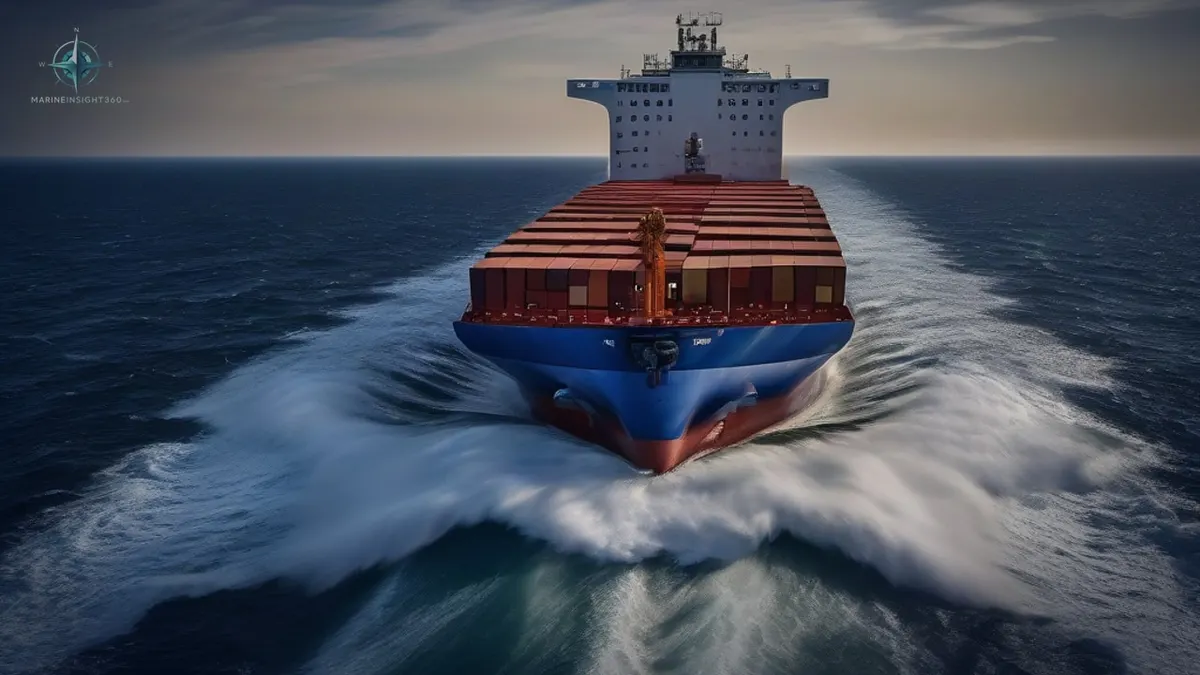
The three ship communication tools that carry most traffic at sea are VHF radio for short-range work, single sideband (SSB) radio for long-range work, and NAVTEX for printed safety broadcasts. Each covers a different range: VHF reaches about 25 miles, SSB can cover several thousand, and NAVTEX receives within roughly 200 miles of the coast.
At sea, it is essential to have the appropriate radio communication equipment by your side for your crew's safety. Today, ships have a variety of communication devices to choose from, each with its own advantages and disadvantages.
Very High Frequency (VHF) Radio
Very High Frequency (VHF) Radio. It is one of the most common and versatile marine communication devices onboard ships. VHF can be used for:
- Sending distress and safety signals
- Ship-to-shore communications and other land calls
- Navigation
- NOAA Weather Channel
One of the limitations of VHF is that it can typically only reach. That's it up to 25 miles. This still makes it a reliable option for any vessel, but other options, such as single sideband (SSB) radios, have a much longer transmission range.
The Marine VHF unit can be mounted on a tabletop or other flush surface, like the ICOM IC-M330, or used as a handheld unit, like the standard Horizon HX210 (pictured). When choosing a VHF, look for additional features that will benefit your crew, such as the GPS receiver on the Icom IC-M330G.
Single Sideband (SSB) Radios
Single-sideband (SSB) radios use radio frequency (RF) waves to enable communication over long distances (25 miles or more). Low to medium-frequency transmissions can typically cover distances of 50 to 150 miles (considering weather and other conditions), while high-frequency transmissions can cover up to several thousand miles.
Devices such as the Icom IC-718 (pictured) and IC-M710 allow you to stay in touch with key personnel ashore and on other ships, even on the most remote voyages. However, they require slightly more complex installation than VHF equipment. SSB radios require proper grounding installation to support signal broadcasting and long antennas with different tunings to accommodate different frequency bands.
NAVTEX
If maritime radio communications equipment is defective or delayed, it is important that other means of maritime communication are available. NAVTEX (sometimes Navtex or NavTex) is a direct printing service that helps ships receive emergency alerts regarding navigation, weather, and even maritime safety.
NAVTEX receivers, such as the Samsung ENC SNX-300 (pictured), can typically receive both international and local channels and provide more comprehensive coverage, but within 200 miles of the coast. Bonus features to look for in a NAVTEX device include whether it is GMDSS compliant, which covers more comprehensive security.
GMDSS
The Global Maritime Distress Safety System (GMDSS) is a worldwide system for automatic distress signal communication at sea and can take the form of both fixed and handheld radios for survival craft. Masu. GMDSS includes the following systems to ensure crew safety:
- Alerting other ships or shore authorities in an emergency
- Coordinating search and rescue teams or locating a ship
- General or safety-specific broadcasts
- Bridge-to-bridge communications
GMDSS Typically, the system also provides redundant options for power supplies and emergency alarms. Its requirements and regulations do not apply to vessels of less than 300 gross tonnage and recreational vessels. Tecomart offers several wireless communication devices that meet GMDSS requirements, including the onboard JRC JHS-800S (pictured) and the Samsung ENC SRG-1150DN/1250DN/2150DN. We also offer handheld radios, such as the Icom IC-GM1600E, for emergency and survival vehicles.
Ensure Crew Safety with Tecomart
These are just some of the common marine radios you can consider for your vessel and are not an exhaustive list. Vessel tonnage, crew size, and intended use are just some of the factors that determine which marine radio is best for you.
Tecomart is a reliable supplier of wireless communication equipment for marine and other purposes since 1994. We believe in providing our customers with affordable and quality communication solutions for both communication and navigation purposes. For more information about our products and solutions or to request a quote, please contact us.
Operational context
Onboard use of communication depends on the vessel's safety management system, watchkeeping routine, cargo plan, weather, port instructions and the master's standing orders. A good article can explain the principle, but the crew still needs to apply it through the vessel's approved procedures.
Recommended Reading

HMS Hood: The Mighty Hood, Her Three Minutes, and the Wreck Two Miles Down
HMS Hood was the Royal Navy's pride for twenty years, lost to Bismarck in minutes in 1941 with 1,415 men. Her story, the battle, and the wreck found in 2001.

What are Sea Lines of Communication (SLOCs)?
SLOCs are major maritime routes connecting ports around the world for commercial, military/naval, logistical, and other purposes.

Three Types of Bulkhead and How to Differentiate Them
Three Types of Bulkhead and How to Differentiate Them: ports, trade and shipping-market context for US, UK, Canada, Australia, Singapore and European...