
How Does A Wind Indicator Help With Navigation?
How Does A Wind Indicator Help With Navigation?: technology, equipment and fleet context for US, UK, Canada, Australia, Singapore and European maritime...
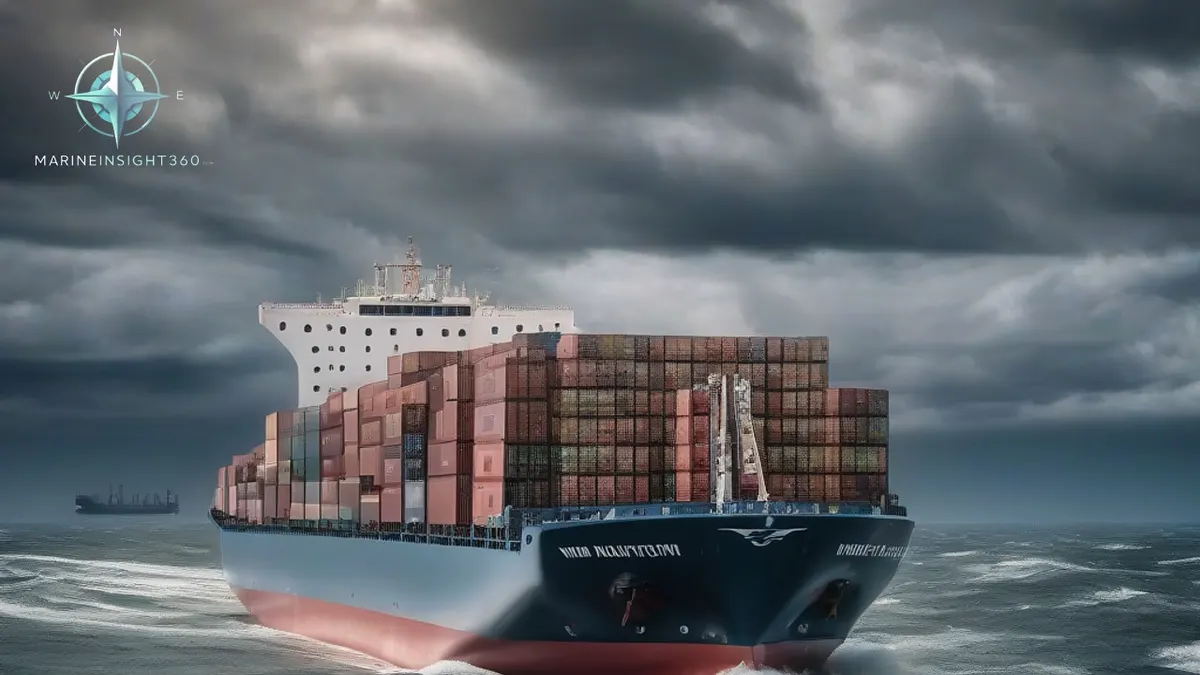
How Does A Wind Indicator Help With Navigation?
Wind indicators are used on ships and boats to determine the direction of the wind. It is also known as a "wind indicator". A wind indicator uses a wind vane to determine the correct wind direction at sea.
The primary reason ships must use wind indicators is that the weather on trade routes is often unpredictable. Wind is greatly influenced by water, and since ships do not follow a fixed route, using a wind indicator can provide sailors with valuable information about wind direction. With this information, the captain can avoid emergencies such as storms and winds that suddenly blow from a specific direction.
Using a wind indicator can also help young sailors know when to hoist the sails. They are also very useful for leisure boats such as yachts.
Types of Wind Indicators
There are three main types of wind indicators currently available in the market. They are:
Type 1: The first type of wind indicator is the simplest. This type of wind indicator is called a boom indicator (the boom is the part of the sail closest to the wind direction). Boom indicators are typically installed on the sails of the boat, rather than being stored separately on board.
Type II: This type of wind direction indicator is known as a stay indicator and a stabilizing indicator. Their design is better than the previous type, as the sailor can clearly see the wind direction. In the first type, the wind direction is unclear because the sail is mounted on it.
Type III: This type of wind direction indicator is the best of the three types. It is completely modern and is operated electronically. This helps reduce the errors that can occur when controlling the wind direction through mental calculations (like the first two types). The wind direction indicator should be mounted on the top of the mast. This type of wind direction indicator also allows for accurate monitoring of the ship's speed and wind direction.
The function and role of a wind direction indicator are unique. Although many technologies have been developed to assist sailors today, their uniqueness and reliability make them one of the most important aspects of marine navigation.
Wind indicators are used on ships and boats to determine the direction of the wind. It is also known as a "wind indicator". A wind indicator uses a wind vane to determine the correct wind direction at sea.
How Do Bow Thrusters Steer A Ship?
Understanding Ship Fin Stabilizers and How They Work
Top 10 Largest Ship Propellers In The World
The primary reason ships must use wind indicators is that the weather on trade routes is often unpredictable. Wind is greatly influenced by water, and since ships do not follow a fixed route, using a wind indicator can provide sailors with valuable information about wind direction. With this information, the captain can avoid emergencies such as storms and winds that suddenly blow from a specific direction.
Using a wind indicator can also help young sailors know when to hoist the sails. They are also very useful for leisure boats such as yachts.
Types of Wind Indicators
There are three main types of wind indicators currently available in the market. They are:
Type 1: The first type of wind indicator is the simplest. This type of wind indicator is called a boom indicator (the boom is the part of the sail closest to the wind direction). Boom indicators are typically installed on the boat's sails, rather than being stored separately on board.
Type II: This type of wind direction indicator is known as a stay indicator and a stabilizing indicator. Their design is better than the previous type, as the sailor can clearly see the wind direction. In the first type, the wind direction is unclear because the sail is mounted on it.
Type III: This type of wind direction indicator is the best of the three types. It is completely modern and is operated electronically. This helps reduce the errors that can occur when controlling the wind direction through mental calculations (like the first two types). The wind direction indicator should be mounted on the top of the mast. This type of wind direction indicator also allows for accurate monitoring of the ship's speed and wind direction.
The function and role of a wind direction indicatorare unique. Although many technologies have been developed to assist sailors today, their uniqueness and reliability make them one of the most important aspects of marine navigation.
Recommended Reading
Ship Navigation Equipment: The 30 Systems on a Modern Bridge
The ship navigation equipment a modern bridge carries, grouped by job: position fixing, collision avoidance, charts, communications, safety recorders and more.
How does a nautical almanac help navigation at sea?
How does a nautical almanac help navigation at sea?: technology, equipment and fleet context for US, UK, Canada, Australia, Singapore and European...
Dead Reckoning Navigation Technique (Maritime Position Calculation) At Sea
Dead Reckoning Navigation Technique (Maritime Position Calculation) At Sea: technology, equipment and fleet context for US, UK, Canada, Australia,...