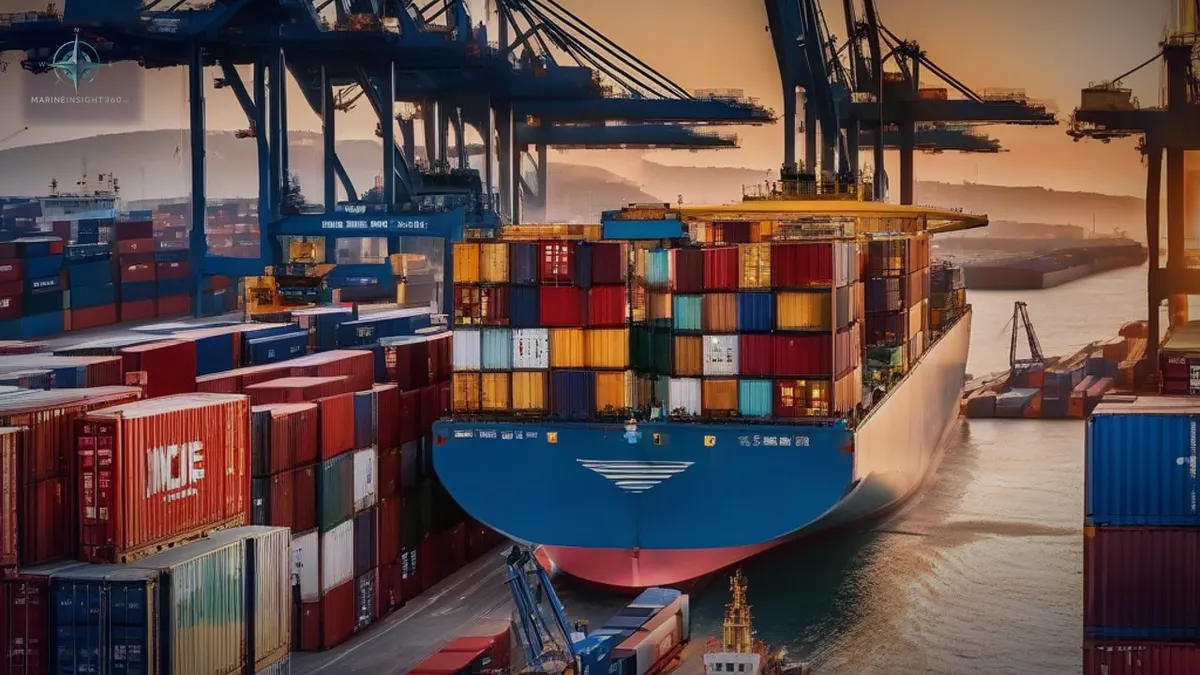
MSC Acquires Majority Stake in Ukrainian Terminal Operator
The recent announcement of MSC acquiring a majority stake in a Ukrainian terminal operator marks a significant development within the global maritime...
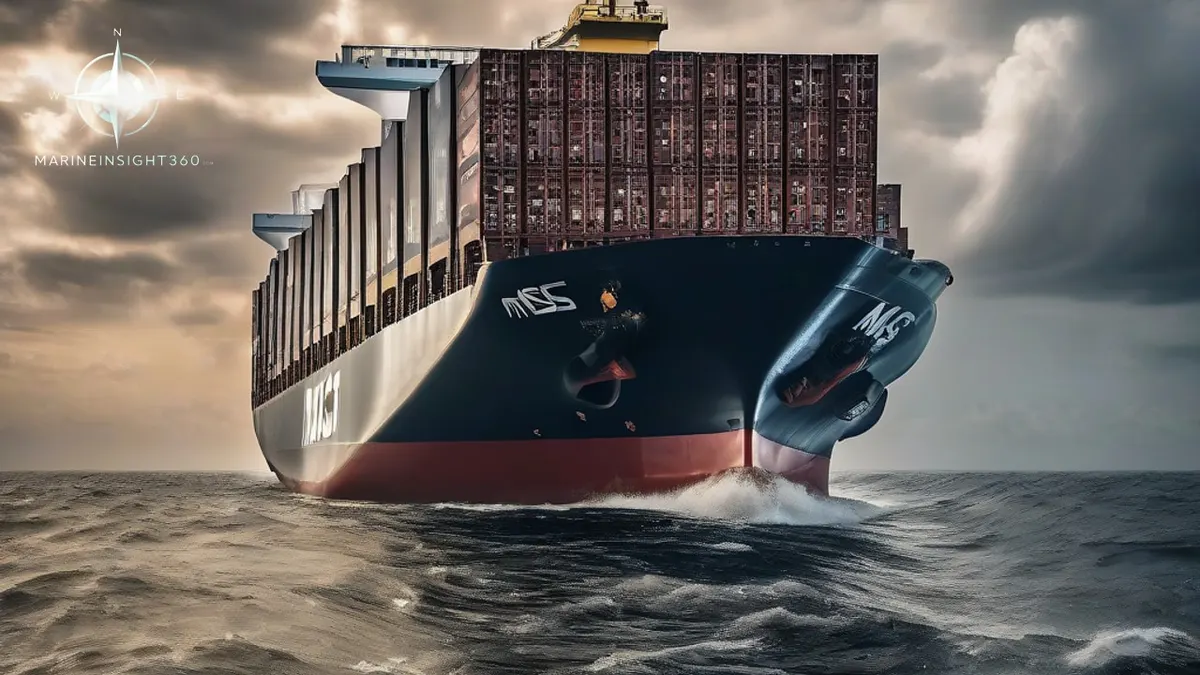
The recent announcement of MSC acquiring a majority stake in a Ukrainian terminal operator marks a significant development within the global maritime industry, particularly in the context of the ongoing geopolitical complexities in the Black Sea region. As one of the world's leading container shipping lines, MSC's strategic decisions often reflect broader industry trends and future operational priorities. This move underscores a calculated long-term investment in port infrastructure and logistics capabilities, reinforcing the critical role of terminals in the seamless flow of global trade.
Key facts about MSC Acquires Majority Stake in Ukrainian Terminal Operator
For a carrier of MSC's immense scale, owning and operating terminal assets is a cornerstone of vertical integration. This strategy aims to enhance control over the entire supply chain, from vessel scheduling and cargo handling to hinterland connections. By securing a majority stake in a key Ukrainian operator, MSC can optimize port calls for its extensive fleet of container vessels, improve turnaround times, and potentially streamline customs and cargo processing. Such integration is increasingly vital for major liners seeking to build resilient and efficient end-to-end logistics solutions, reducing reliance on third-party operators and mitigating potential bottlenecks.
The strategic importance of this acquisition extends beyond mere operational efficiencies. It represents a notable commitment to the Black Sea trade route, a region that, despite current challenges, holds significant potential for future economic growth and trade volumes, especially in agricultural commodities and manufactured goods. Access to well-managed port infrastructure in Ukraine is crucial for connecting European and Asian markets via this corridor. For seafarers navigating these waters, such investments signal stability and continued operational activity, even amidst heightened geopolitical scrutiny and the need for stringent adherence to international maritime safety and security protocols, which the IMO consistently emphasizes.
Furthermore, this investment positions MSC for future opportunities, including potential post-conflict reconstruction and the anticipated resurgence of Ukrainian trade. Shipowners and port operators globally are keenly observing how major players like MSC navigate and invest in regions affected by conflict, as these decisions often set precedents for risk assessment and long-term planning. The acquisition demonstrates a confidence in the eventual stabilization and recovery of trade flows, highlighting the maritime industry’s inherent resilience and its fundamental role in economic recovery and development, no matter the geopolitical landscape.
The integration of a Ukrainian terminal into MSC's global network of port operations and logistics services will likely yield benefits in terms of enhanced operational reliability and greater cargo handling capacity. This is a critical factor for engineers involved in maintaining sophisticated port machinery and for port operators managing the intricate dance of vessels, cargo, and landside transportation. Ultimately, this strategic maneuver by MSC reflects an enduring commitment to expanding its global footprint, enhancing supply chain control, and proactively shaping its presence in key, albeit challenging, maritime regions.
This acquisition underscores the long-term strategic imperative for global carriers to integrate deeply into port infrastructure for enhanced supply chain resilience and future trade growth.
Next steps
Follow the latest maritime news for related updates and practical context.
Why this story matters
MSC Acquires Majority Stake in Ukrainian Terminal Operator matters because shipping news rarely stays inside one lane. A single development can affect vessel operators, charterers, insurers, port teams, seafarers, equipment suppliers and regulators at the same time.
For readers in the United States, United Kingdom, Europe, Canada, Australia and Singapore, the value is in the practical signal behind the headline: what the development changes, what still needs confirmation and how it may affect decisions across safety, compliance, trade or fleet planning.
Operational context
Market stories can affect freight negotiations, cargo timing, carrier strategy and the cost assumptions behind maritime planning. The operational question is not only what happened, but which teams need to respond. Ship managers may need to review risk assessments, commercial teams may revisit costs or schedules, and crews may need clearer instructions before the next voyage or port call.
This is also why source attribution matters. When a story involves prices, incidents, regulations, vessel orders, security risk or public policy, readers should compare the report with official notices, company updates and port or flag-state guidance before acting.