The Carbon Wake Newsletter Launches: Commercial Focus on Shipping Decarbonization - News and Statistics
Carbon Wake Newsletter launches to focus on shipping decarbonization .
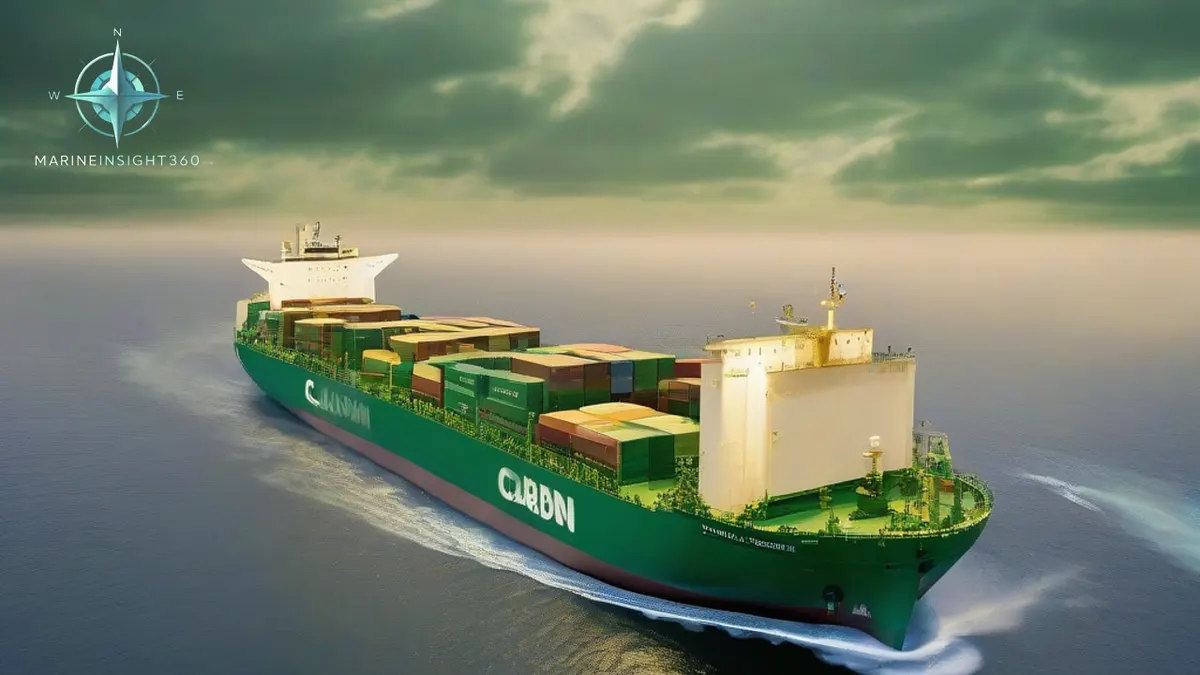
Carbon Wake Newsletter launches to focus on shipping decarbonization.
Key facts about The Carbon Wake Newsletter Launches: Commercial Focus on...
The Carbon Wake Newsletter has been launched to provide a commercial focus on shipping decarbonization. This newsletter will cover news and statistics related to the efforts of the shipping industry to reduce its carbon footprint. The shipping industry is a major contributor to greenhouse gas emissions, and there is a growing need for reliable and accurate information on decarbonization efforts.
The International Maritime Organization has set targets to reduce greenhouse gas emissions from shipping, and the industry is working to meet these targets. Shipowners and operators are exploring new technologies and fuels, such as liquefied natural gas and hydrogen, to reduce emissions from their vessels. The Carbon Wake Newsletter will provide updates on these developments and help industry professionals stay informed about the latest trends and technologies.
The newsletter will cover a range of topics, including new fuel technologies, vessel design, and operational efficiency. It will also provide analysis of industry trends and statistics, helping readers to understand the impact of decarbonization efforts on the shipping industry. With the majority of global trade being transported by sea, the shipping industry plays a vital role in the global economy, and its decarbonization efforts will have a major impact on the environment.
The launch of the Carbon Wake Newsletter comes at a time when the shipping industry is under increasing pressure to reduce its environmental impact. The industry is subject to a range of regulations, including those set by the International Maritime Organization and the Safety of Life at Sea convention. Shipowners and operators must comply with these regulations, and the Carbon Wake Newsletter will provide them with the information they need to make informed decisions about their decarbonization efforts.
This matters to the industry because staying informed about decarbonization efforts is essential for shipowners and operators to comply with regulations and reduce their environmental impact.
From here
Where this sustainability story matters to you, the next step is to check it against official sources, pass it to whoever owns the decision, and adjust plans only where it genuinely applies.
Reading it by market
Each major maritime market weighs a sustainability story differently, but the question is the same in Singapore, London, Houston or Sydney: does it change the cost, the rules or the demand we operate under?
Why this matters
The Carbon Wake Newsletter Launches: Commercial Focus on Shipping Decarbonization - News and Statistics rarely stays in one lane. A sustainability development like this can reach vessel operators, charterers, insurers, port teams, seafarers and regulators at the same time.
The useful read is the signal under the headline: what actually changes, what still needs confirming, and where it touches safety, compliance, trade or fleet planning.
What it changes day to day
Sustainability developments feed straight into voyage planning, compliance costs and commercial decisions. Ship managers may revisit risk assessments, commercial teams may reprice, and crews may need fresh instructions before the next call.
Confirm the detail against primary sources first, official notices, company updates, port and flag guidance, rather than acting on the headline.
Signals to follow
- Confirmation, or correction, from primary sources in the coming days.
- Movement in insurance clauses, schedules or commercial terms.
- Whether other routes, ports or fleets become exposed.
- Guidance from owners, managers or authorities that turns news into action.