
What Is A Fast Rescue Boat?
What Is A Fast Rescue Boat?: safety, training and compliance context for US, UK, Canada, Australia, Singapore and European maritime readers.
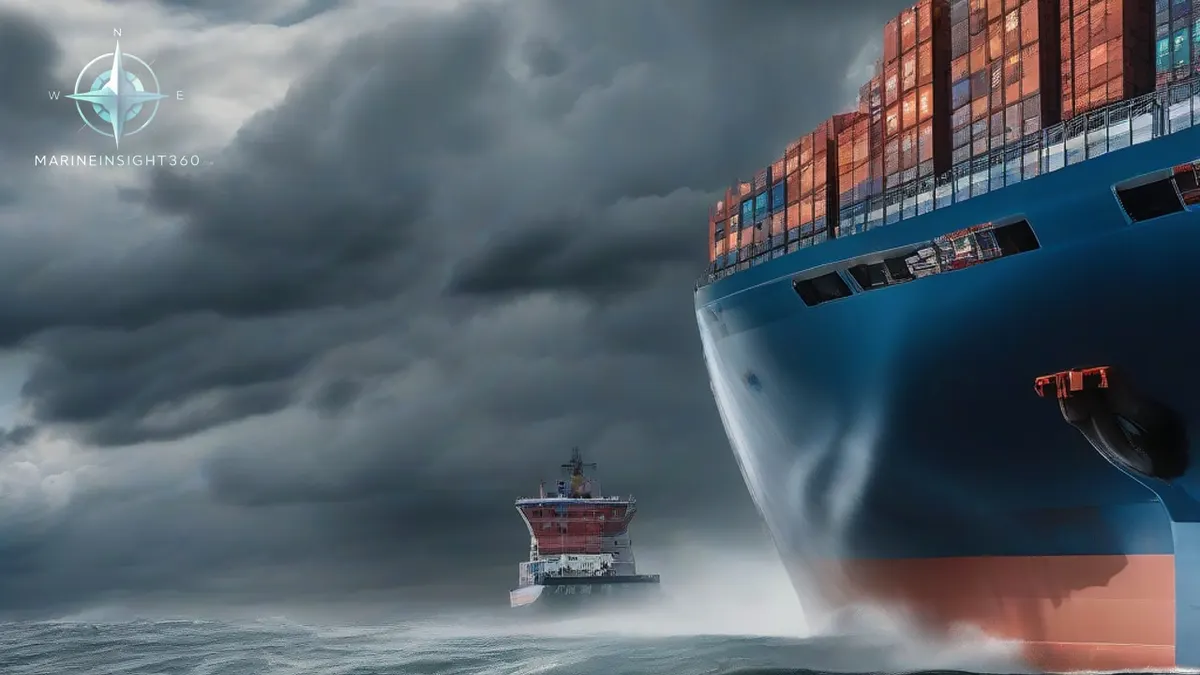
What Is A Fast Rescue Boat?
A lifeboatis a floating craft used to rescue the crew and passengers of a ship in the event of an emergency. They can be either rigid or inflatable and vary in size and construction.
However, although lifeboats are used interchangeably, they are slightly different from rescue boats, which must be deployed immediately in an emergency.
While ships are equipped with lifeboats, life rafts and other rescue boats, it is equally important to provide other external means of evacuation and rescue if the situation permits.
This means that when a ship is in an emergency situation due to an accident or incident, and other nearby ships or vessels are equipped to deal with such problems, immediate evacuation should be given priority.
The most effective way to do this is to dispatch a vessel capable of acting as a rescue boat to quickly and accurately evacuate people in distress to a safer place, such as the shore or another nearby ship.
A fast rescue boat is a specialized, high-speed small craft that is widely used in water response and rescue operations. High speed is essential for reaching the scene of a disaster as quickly as possible, just as time is crucial for saving lives.
The main design requirements for fast rescue boats are:
Speed: This basic requirement is met by high-performance engines, efficient propulsion systems, and overall hull design. For practical purposes, most modern fast rescue boat designs prioritize speed and endurance.
Excellent maneuverability to navigate obstacles in challenging scenarios is a key requirement.
Good stability and seakeeping capabilities to facilitate rescue operations in all weather and sea conditions. These rescue boats have sufficient space to accommodate a large number of people simultaneously and carry the necessary equipment and systems for rescue operations.
Strength and durability to withstand all weather conditions.
What is the Difference Between Boat vs Ship?
What Is The Displacement Of A Ship?
Battle of the Ironclads – What are Ironcloads Ship?
Fast rescue boats are usually rigid or inflatable. Rigid boats are usually larger and can accommodate more people.
The Safety of Life at Sea (SOLAS) Convention stipulates the following specific requirements for fast rescue boats:
The length of fast rescue boats should be between 6 and 8 meters.
Fast rescue boats should be able to cruise at a speed of 20 knots for at least 4 hours when lightly loaded (with a minimum crew) and at least 7-8 knots when fully loaded.
They should have high stability and be able to adjust their heading automatically.
The rudder controls should be away from the rudder (unlike many speedboats or motorboats).
An emergency steering systemshould be equipped.
When the vessel capsizes, the emergency release switch automatically stops the engine. After adjusting the vessel's heading, the engine can be restarted, thus preventing fuel loss.
The certificate a fast rescue boat crew must hold
Crewing a fast rescue boat needs its own STCW certificate. Proficiency in Survival Craft and Rescue Boats, issued under STCW Regulation VI/2, expressly excludes fast rescue boats, and a separate proficiency course covers them. Operators who assume one certificate covers both usually discover the gap during an audit or a port state inspection rather than during a launch.
Which ships have to carry a fast rescue boat?
SOLAS Chapter III Regulation 26 sets additional requirements for ro-ro passenger ships and includes carriage of at least one fast rescue boat. A cargo ship carries a rescue boat under the general requirements of Chapter III, and it does not have to be a fast one. Offshore support and standby vessels normally carry fast craft because the charterer or the coastal state demands it, not because SOLAS does.
Where the injuries actually happen
Rescue boat casualties cluster on launch and recovery rather than on the rescue itself. In a seaway the boat surges against the ship's side, the falls snatch under shock loading, and the crew member on the hook is working at the worst point of the roll. SOLAS Chapter III Regulation 19 requires each rescue boat to be launched with its assigned crew aboard and manoeuvred in the water at least once every three months, which is where those problems surface.
Recommended Reading
What is the Purpose of a Hydrofoil on a Boat?
What is the Purpose of a Hydrofoil on a Boat?: ports, trade and shipping-market context for US, UK, Canada, Australia, Singapore and European maritime...
What Are Fast Rescue Boats (FRBs)?
What Are Fast Rescue Boats (FRBs)?: safety, training and compliance context for US, UK, Canada, Australia, Singapore and European maritime readers.
Container Ship: How the Box Boat Runs World Trade
What a container ship is and how it works: TEU sizes from feeder to 24,000-box giants, who crews them, how fast they sail, and why they carry your shopping.