
Where Is The Red Sea?
The Red Sea's location is between the African and Asian continents, a maritime waterway about 2,350 km long and 350 km wide that links the Gulf of Suez with the Strait of Bab el-Mandeb.
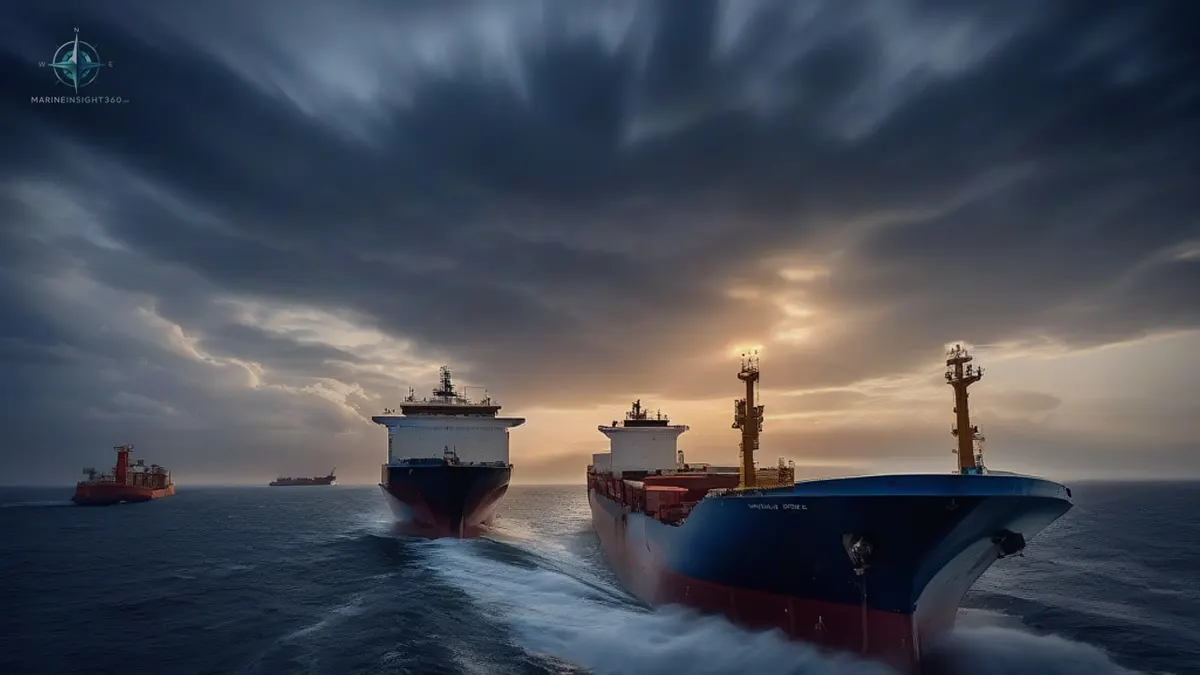
The Red Sea's location is between the African and Asian continents, a maritime waterway about 2,350 km long and 350 km wide that links the Gulf of Suez with the Strait of Bab el-Mandeb.
Red Sea: Where and why it matters
The Red Sea is actually 2,350 km long and 350 km wide, with a depth of up to 3,000 meters in the central area and between 600 and 800 meters near the coral reefs. It corresponds to the Gulf of Suez and the Strait of Bab el-Mandeb, with depths between 60 and 100 meters.
Most scientists and historians have conducted extensiveresearch and found that the wrecks of ships damaged during World War II and underwater artifacts have been found in the Red Sea, claiming that the Red Sea is considered to be the dividing line between the African and Asian continents.
Egypt and the Red Sea:
The western coast of Egypt and the Sinai Peninsula are blessed with overlooking one of the most fascinating seascapes on Earth: the Red Sea. Hurghada is the main tourist center and a gathering place for swimming, fishing, diving and leisure enthusiasts, with excellent facilities and a wide range of reasonably priced accommodation.
South China Sea or West Philippine Sea: What’s the Deal?
Types of Sea Serpent in the Ocean
Why is Sea Foam Dangerous for Surfers?
Things To Do At Enchantment Of The Seas
The Red Sea has many tourist cities, such as Sharm el-Sheikh for those who love the beach and the sun, Hurghada for windsurfers. Marsa Alam for those who enjoy privacy, a calm climate and exploring Bedouin life. These three cities are known for their tourism, quality of life and natural beauty and have always been loved by Italians, especially Marsa Alam.
Why is it called the Red Sea? What is its most important secret?
According to research statistics, the sea is named for the presence of many rare and unique fish species in the world and colorful coral reefs. In addition, it is located near the red Edom Mountains, whose red color is reflected in the sea, especially in Hurghada, Sharm el-Sheikh, Marsa Alam and Dahab.
The Red Sea is a small paradise full of passions, especially during Christmas and New Year:
Love for the sea, the beach, nature, the bright sun, the mountains, love for safaris, sports, love for Egyptian songs that represent Bedouin culture and history, their way of life and traditions, are always wonderful experiences. Spending Christmas and New Year holidays at the Red Sea will definitely allow you to get away from the stress and fatigue of work.
According to the evaluations of tourists who visit the Red Sea for the first time, they always say that the most common feelings of the soul are relaxation, fun, confidence and happiness.
Which two ends make the Red Sea a trade route?
The Red Sea is a corridor with a gate at each end. Both gates are narrow. In the north, the Gulf of Suez leads to the Suez Canal and the Mediterranean. In the south, the Strait of Bab el-Mandeb opens into the Gulf of Aden. It narrows to roughly 29 km between Djibouti and Yemen. Perim Island splits it into two channels.
Traffic through both gates is organised rather than free. The IMO has adopted traffic separation schemes for the Gulf of Suez and for Bab el-Mandeb. Ships run in lanes instead of picking their own line. The reefs the tourist trade values are a hazard to anything that leaves those lanes, and the sea carries a long casualty record for groundings on them.
What a Red Sea transit actually requires
A Suez transit is not a straight sail through. Ships move in convoy on the canal authority's schedule. They take a Suez Canal Authority pilot. They also need a Suez Canal Special Tonnage Certificate. That certificate measures the ship differently from her international tonnage certificate, and the toll is calculated on it.
The southern end is a security question rather than a paperwork one. Vessels transiting the Red Sea and the Gulf of Aden report to UKMTO. They follow the industry Best Management Practices. The alternative to the corridor is the Cape of Good Hope, which adds thousands of miles to an Asia to Europe voyage.
The sea is also a designated special area under MARPOL for oil and for garbage. A discharge that passes elsewhere can be a deficiency here, and the oil record book is the first thing an inspector asks for. Those designations have long been tied to shore reception facilities being available. Confirm what applies to a given voyage with the flag state or the local agent.
Recommended Reading
Iran retaliates with missiles and drones, defying Trump’s warning
Answer: Iran’s recent launch of ballistic missiles toward Jordan and drones toward Bahrain, Kuwait and the United Arab Emirates creates an immediate…
Hapag-Lloyd Invests in APM Terminals Rotterdam to Drive Growth
Hapag‑Lloyd’s new stake in APM Terminals Rotterdam aims to expand capacity, improve hinterland links and enhance crew efficiency in Europe’s busiest port.
Saildrone Completes Missile Launch Test Aboard its Sail-Powered Surveyor
Saildrone’s autonomous vessel successfully launched a missile‑type payload, showing new possibilities for armed surveyors and implications for shipping operator