
What Are The 5 Major Ports in Algeria?
Algerian port city is one of the very most important countries in North Africa and an important trading center. After Sudan's independence in 2011, Sudan became the largest Mediterranean country.
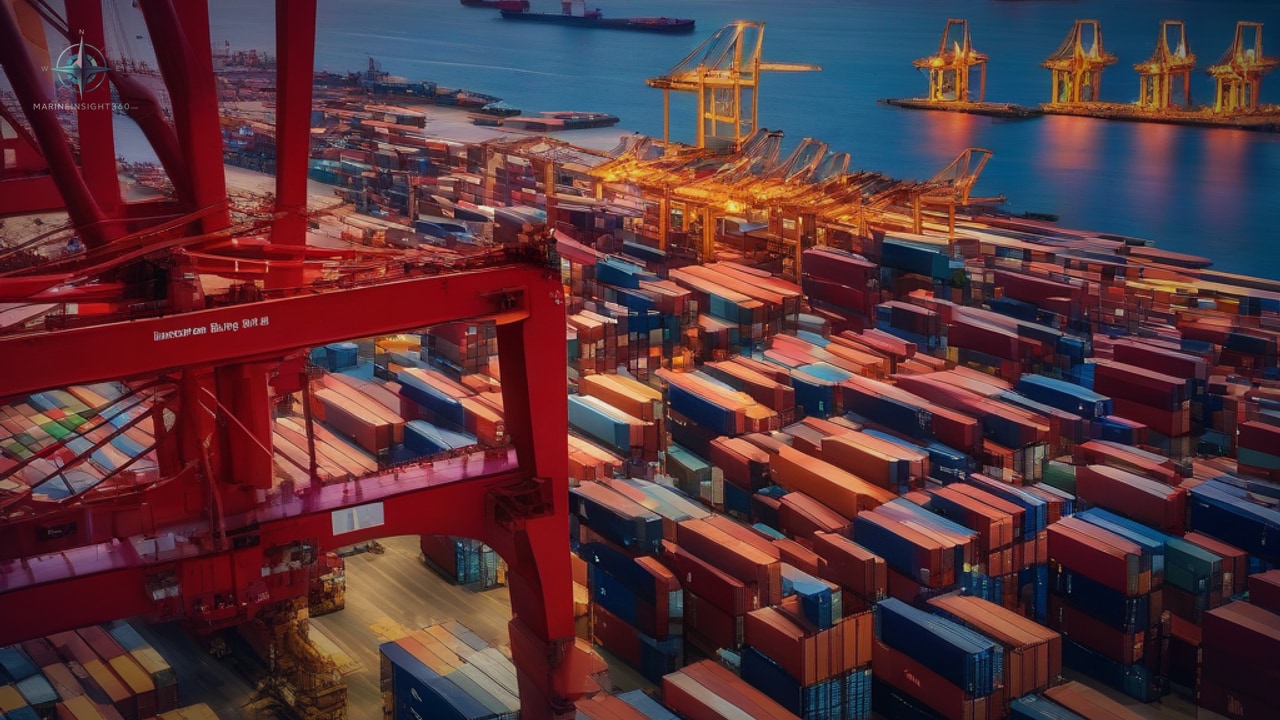
Algeria is one of the most important countries in North Africa and a major trading nation on the Mediterranean (see the list of ports in Algeria). Since South Sudan's independence from Sudan in 2011, Algeria has been the largest country in Africa by area. Its capital, Algiers, lies on the Mediterranean coast and is also its largest city. Algeria's foreign trade depends heavily on hydrocarbons, crude oil, natural gas, LNG and oil products, which make up more than 90% of its exports. Because Algeria lies on the southern shore of the Mediterranean, almost all of its foreign trade, around 95%, travels by sea. Fishing is also important along the coast, and many smaller harbours serve mainly as fishing ports, while a dozen or so larger ports handle international trade.
Algeria's own merchant fleet is small, made up of state-owned tankers, LNG carriers, bulk carriers, general cargo ships and ferries, and most of its trade is carried by foreign ships. Its commercial ports are run by state port companies (Entreprises Portuaires), each responsible for one port. Some are mainly general cargo and container ports, some handle mixed traffic, and some are specialised hydrocarbon ports.
5 Major Ports of Algeria
1. Port Of Algiers:
The port of Algiers, in the capital, is Algeria's busiest general cargo and container port. It lies along the Bay of Algiers, below the hills on which the old city was built, and it has been a port since Ottoman times. It is managed by the Entreprise Portuaire d'Alger (EPAL), and its container terminal has been operated since 2009 by Djazaïr Port World, a joint venture between EPAL and DP World. The port handles containers, general cargo, vehicles, grain and other foodstuffs for the Algiers region, which is the country's largest market, as well as passenger ferries to France and Spain. Congestion in the old port has long been a problem, and Algeria has been developing new port capacity along the coast, including a large new deep-water port at El Hamdania near Cherchell, west of Algiers.
2. Skikda Port:
Skikda, in the east of the country, is one of Algeria's main hydrocarbon ports. Pipelines bring crude oil, condensate and gas from the Saharan fields, including Hassi Messaoud and Hassi R'Mel, to its refinery, LNG plant and petrochemical complex, and the products are shipped from its oil and gas terminals. The port also serves eastern Algeria and the nearby Safsaf valley as a general cargo port, handling metal products, grain, heavy equipment and other goods.
It is managed by the Entreprise Portuaire de Skikda. Much of the oil, gas and petrochemical infrastructure dates from the 1970s, when Algeria expanded its hydrocarbon industry after nationalisation.
3. Arzew Port:
Arzew and neighbouring Bethioua, on the Gulf of Arzew east of Oran, form Algeria's largest hydrocarbon export complex. The Entreprise Portuaire d'Arzew runs the ports, which serve the LNG plants, refineries and petrochemical works built there by the state energy company Sonatrach. Tankers and LNG carriers load crude oil, condensate, LPG, LNG and oil products at its terminals for export to Europe and further afield.
Arzew handles a large share of the country's export tonnage, and the industrial zone around it is linked to the rest of the country by road and rail.
4. Port Of Oran:
The port of Oran is in Algeria's second city, in the west of the country, and is the main general cargo port for western Algeria. Oran has been an important commercial and industrial city since colonial times. The port is managed by the Entreprise Portuaire d'Oran, under the oversight of the Ministry of Transport.
It handles containers, grain, general imports and vehicles, and it has passenger ferry services to Spain and France. Its position close to Spain and Morocco makes it a natural link for trade between western Algeria, Europe and the rest of the Mediterranean.
5. Port Of Bejaïa:
The port of Bejaïa, in the north-east, is one of Algeria's busiest ports and handles both hydrocarbons and general cargo. It was the first Algerian oil export port, linked since 1959 by pipeline to the Hassi Messaoud oil field in the Sahara. The city has food processing, cork and textile industries and is an important commercial centre for the Kabylie region.
It lies at the foot of Mount Gouraya, with the coast running out to Cap Carbon, about 180 km east of Algiers in a straight line. The port is managed by the Entreprise Portuaire de Béjaïa, and it takes tankers and large bulk carriers.
Besides crude oil and oil products, Bejaïa handles a large volume of containers, grain, sugar, vegetable oil and other general cargo, much of it for the agri-food industries in the region. Its container terminal is run by Bejaia Mediterranean Terminal, a joint venture with a foreign terminal operator. The port also handles dangerous goods under the IMDG Code.
Conclusion
Most of Algeria's main ports were built or greatly expanded during the French colonial period to handle trade with France. The discovery of oil and gas in the Sahara in the 1950s made them far more important, and new pipelines and terminals turned ports such as Arzew, Skikda and Bejaïa into energy export hubs. With about 1,200 km of coastline and almost all its trade going by sea, Algeria continues to expand its ports and add new facilities.
Recommended Reading
Which Are The Major UAE Ports?
Bordered by Oman and Saudi Arabia, the UAE has become a beacon of development and trade on the Arabian Peninsula. It shares seas with Qatar to the west…
What are the 5 major ports of Bahrain?
Bahrain is an island nation near the western coastline of the Arabian Gulf. It comprises 50 natural and 33 artificial islands. Bahrain is the third…
What Are The 10 Major Ports in Mexico?
Mexico is located in the southern part of the North American continent. And also, is the world's 10th most populous country. It is a developing country, classified as an upper-middle-income country by the World Bank.