
What Are Ship Portholes?
When traveling by ship, windows are the most important and eye-catching features on the side of a vessel.
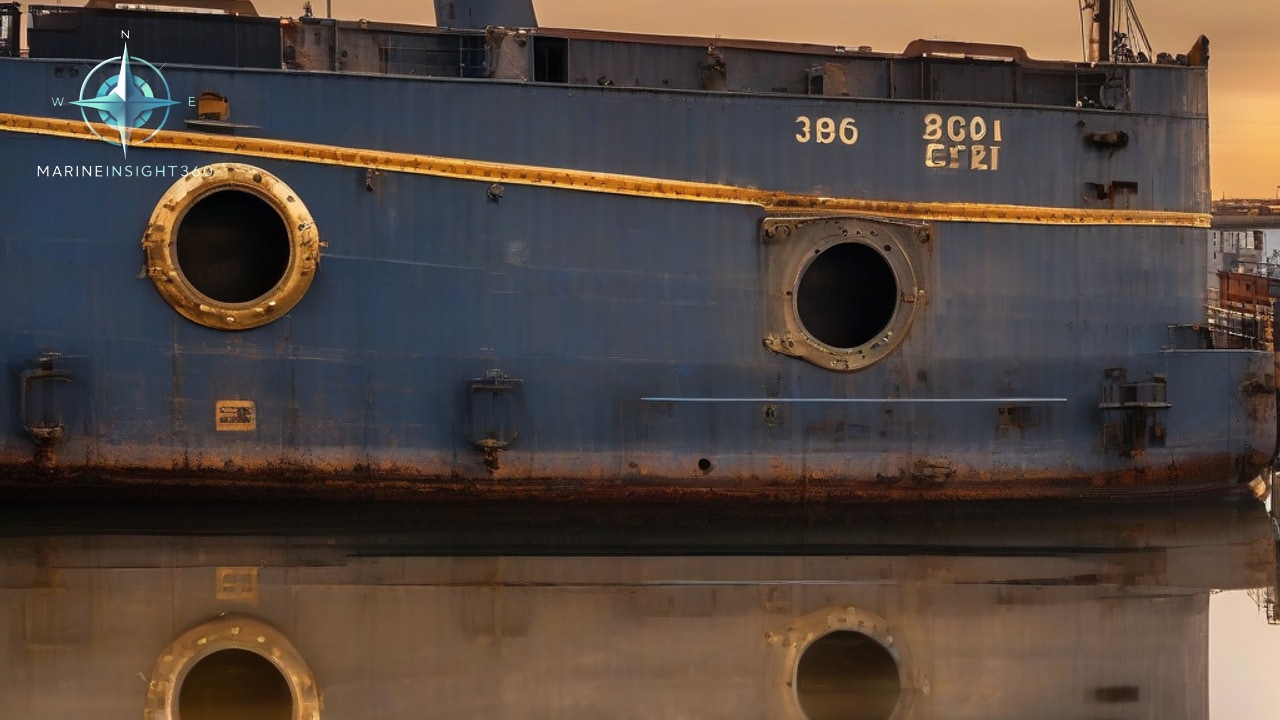
What Are Ship Portholes?
The round windows along the side of a ship's hull are called portholes. The name goes back to the "ports," or openings, cut in the sides of old sailing warships for their guns. Round windows of the same kind are also used in submarines, aircraft and spacecraft.
In shipbuilding rules and conventions, such as SOLAS and the Load Line Convention, portholes are called "sidescuttles." Today they come in many styles to suit a ship's interior, and on small boats and yachts they are often used partly for decoration.
Learning About Ship Portholes
Ships have had portholes for centuries, and they have kept their round shape, which sets them apart from the windows in most other vehicles.
A porthole has to let in light, and sometimes air, without weakening the hull or letting in the sea. An opening porthole has its glass in a hinged frame that clamps shut against a rubber seal, and many also have a hinged steel deadlight on the inside that can be closed over the glass in heavy weather or if the glass breaks.
Portholes were first fitted in poorly lit and poorly ventilated spaces below deck to let in light and fresh air for the crew working there. Later they were fitted in cabins and other rooms throughout the ship.
What materials are ship windows constructed from?
Porthole frames are made of steel, stainless steel, aluminium, brass or bronze. The glass is toughened safety glass, made to international standards for ships' windows and sidescuttles.
Toughened, or tempered, glass is ordinary glass that has been cut to size and then heated to around 600 to 650°C and cooled rapidly with jets of air. The rapid cooling leaves the surface in compression, which makes the glass several times stronger than untreated glass and makes it break into small, blunt pieces instead of sharp shards.
On yachts and older ships, materialssuch as brass and bronze were preferred for porthole frames because they resist corrosion in seawater much better than ordinary iron and steel. On modern steel ships, frames are usually steel, welded or bolted into the hull plating, or aluminium on aluminium superstructures.
The glass is held in the frame by a clamping ring secured with bolts or screws, and sealed with a gasket so the porthole stays watertight.
Ship portholes are made in standard sizes, commonly from about 200 mm to 450 mm clear opening, and a heavy‑duty bronze porthole with its deadlight can weigh tens of kilograms. They have to withstand sun, rain and the full force of the sea. Old ship portholes are now popular as decorative pieces ashore, but on board they are still working fittings and are inspected at every load line survey.
FAQ
1. What is a ship window?
A porthole is a small, usually round, glazed opening in the side of a ship, aircraft, submarine or spacecraft, set in a strong frame, that lets in light and gives a view outside.
2. Why are ship portholes round?
A round opening weakens the hull less than a square one. The hull is constantly bending and flexing in a seaway, and stress concentrates at sharp corners, where cracks start. A round opening spreads the stress evenly around its edge. Large rectangular windows, where used, have well‑rounded corners for the same reason.
3. What is the thickness of the porthole glass?
It depends on the size of the porthole and where it is fitted. Porthole glass is typically between about 6 mm and 25 mm thick, with thicker glass for larger openings and for portholes lower in the hull or exposed to heavy seas.
4. What materials are portholes made of?
Porthole frames are typically made of steel, stainless steel, brass, bronze or aluminium, and the glass is toughened safety glass.
5. Can the portholes on cruise ships be opened?
Usually not. On modern cruise ships most cabin windows and portholes are fixed and cannot be opened, for safety and because the ship is air‑conditioned. SOLAS also requires sidescuttles close to the waterline to be of a non‑opening type, and any that can open must be kept closed at sea.
Recommended Reading

Diwali at Sea: Far from Home, Together as One Crew
What Diwali looks like on a merchant ship: a crew of different faiths and nationalities celebrating together, thousands of miles from home.
Ramadan at Sea: Fasting, Prayer and Watchkeeping for Muslim Seafarers
A practical guide to Ramadan on board: fasting and watchkeeping, rest hours, suhoor and iftar timings across time zones, galley, prayer and Eid.

Ship Earthing Systems: Insulated Networks, Bonding and Earth-Fault Monitoring
Why ships use insulated electrical systems, how earth faults are found, high-voltage resistance earthing, bonding, tanker rules and shore power.