
Are Reports of a Strait of Hormuz Closure Overstated?
Reports of a Strait of Hormuz closure are overstated. Here is what transit data, war risk premiums and the legal position actually show for shipping.
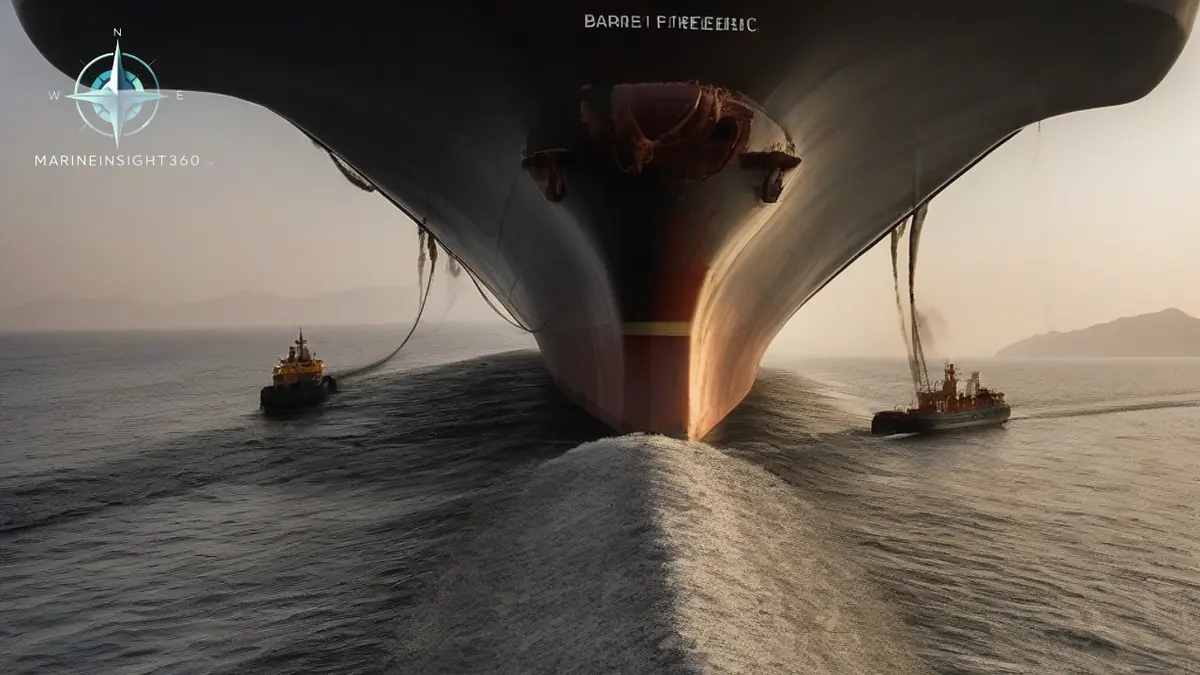
Reports of closure in the Strait of Hormuz overstated the position. What happened was a commercial shutdown, not a legal or physical one, and the waterway has never been formally closed to shipping. After the strikes on Iran on 28 February 2026, war risk pricing in the London market, crew safety assessments and charterer instructions cut traffic to a fraction of normal. A reduced flow of tankers kept moving throughout.
Those are three different claims, and conflating them produces bad routing decisions for the European, Japanese and Korean refiners still lifting Gulf crude.
The practical question for an operator is not whether the strait is closed. It is what a transit costs today in premium, in delay and in crew risk, and which owners are still accepting the voyage.
Why Strait of Hormuz closure reports are overstated
- Legal closure. Hormuz is an international strait. Under the UN Convention on the Law of the Sea, the right of transit passage through such a strait cannot be suspended by a coastal state. No state has purported to close it lawfully.
- Physical closure. That would mean an unnavigable channel, through mining, blockships or sustained interdiction. Reporting describes attacks on vessels using drones, ballistic missiles and small attack craft. That raises risk sharply without denying the channel.
- Commercial closure. Owners decline to send ships, insurers reprice, charterers reroute. This is what has actually happened, at varying intensity week by week.
Only the third has occurred, and it is reversible on a timescale of weeks rather than years.
What the flow data shows
Start with the baseline. The US Energy Information Administration put oil flows through Hormuz at around 20 million barrels per day in 2025, averaging 20.9 million b/d over the first half of that year. That is roughly a fifth of global petroleum liquids consumption and about a quarter of seaborne traded oil. Crude alone accounted for close to 15 million b/d, near 34 percent of global seaborne crude trade.
In the first quarter of 2026, EIA data show crude and petroleum liquids through the strait falling almost 30 percent year on year, to 14.6 million b/d. Commercial trackers reported far steeper drops in specific weeks, with some counts running 90 percent or more below normal and more than 150 ships waiting outside the strait.
Those figures are not contradictory. Quarterly averages smooth over short, near total stoppages. A 30 percent quarterly fall and a 90 percent weekly fall can both be accurate measurements of the same crisis.
Insurance availability is not the binding constraint
War risk premiums moved from roughly 0.25 percent of hull value before the conflict to a reported 3 to 10 percent. On a $100 million tanker that is a $3 million to $10 million premium per voyage, which stops most marginal fixtures on arithmetic alone.
The Lloyd's Market Association has stated that marine war risk cover remains available for vessels operating in the strait, and that reduced traffic is driven by masters and owners assessing the risk to crew and ship as too high rather than by any absence of cover. That distinction matters commercially. A market that has withdrawn capacity recovers slowly. A market that is pricing risk reprices quickly once the threat eases.
What an owner is actually weighing
- Crew consent and manning. Some seafarers and some unions will not accept the transit. A refusal at short notice strands a vessel more effectively than any premium.
- Premium against freight. War risk is quoted per voyage and per day inside the listed area. Extra days at anchor within the zone can cost as much as the transit.
- Charterparty wording. Who orders the transit, who pays additional premium, and whether the owner can refuse without going off hire are clause questions best settled before fixture.
- Alternatives. Pipelines bypassing the strait exist but move a fraction of the volume. There is no equivalent of the Cape reroute available for Gulf barrels.
How to read the next round of headlines
Treat any single number with suspicion unless it names the period, the vessel classes counted, and whether ships with transponders switched off are included. Transit counts that exclude shadow fleet tankers show much steeper falls than counts that include them. Volume data and vessel counts also diverge, because the ships that keep transiting tend to be the largest.
The signals worth tracking are the current war risk quote, the number of laden very large crude carrier departures from Gulf loading terminals, and whether owners are accepting voyage orders without a premium dispute. When those three move together, the commercial closure is easing regardless of the rhetoric.
Why it matters beyond the Gulf
Around a quarter of seaborne oil has no practical alternative route out of the Gulf. A sustained reduction there does not redistribute trade the way Red Sea diversions did, it removes barrels from the market. Operators far from the region feel it as bunker price volatility and tighter tanker availability on unrelated trades. The Marine Insight 360 Ports section follows the loading terminal and transit data behind those swings.
The reporting and navigation picture is its own hazard. UKMTO runs the voluntary reporting scheme for the Gulf and issues the incident advisories operators plan against, and a ship transiting without reporting loses the one channel that produces a response. Satellite navigation interference around the strait is persistent: bridge teams report position jumps of several miles, ECDIS alarms and AIS positions that place the ship ashore. The fallback is radar and visual fixing, drilled before entry rather than improvised.
The commercial failure mode is the one that strands ships. A fixture agreed without a war risk clause allocating the additional premium leaves owners and charterers arguing after the vessel is inside the listed area, and time at anchor inside that area keeps billing. P&I club circulars set out the wording that avoids it. Crew refusal is the other stopper: a replacement rating flown to a Gulf port costs less than a vessel held at anchor for a week.
Sources and further reading
- The Strait of Hormuz is the world's most important oil transit chokepoint
- World Oil Transit Chokepoints analysis
- Safety concerns, not insurance availability, driving reduced vessel traffic in the Strait of Hormuz
- Strait of Hormuz, oil security and emergency response
What to read next
Recommended Reading
Strait of Hormuz Blockade: What Closure Really Means for Merchant Ships
How a blockade of the Strait of Hormuz actually stops merchant traffic: war risk insurance, UKMTO reporting, AIS decisions and the pipelines that bypass it.
For Gulf States, Strait of Hormuz Uncertainty Casts a Long Shadow Over Every Transit Decision
Transit counts, war risk premiums and GPS jamming in the Strait of Hormuz, and how owners and masters weigh a passage against a diversion.
Iran's Threat to Burn Ships in the Strait of Hormuz: What It Means at Sea
Iran has threatened to burn ships in the Strait of Hormuz and mined the corridor. What the threat means for transit planning, war risk cover and crews.