
Cashew in the Bunkers: Why Ships in Singapore and Rotterdam Hit Engine Failures
Ships bunkering in Singapore and Rotterdam hit sludging, injector and turbocharger failures traced to cashew nutshell liquid blended into marine fuel.
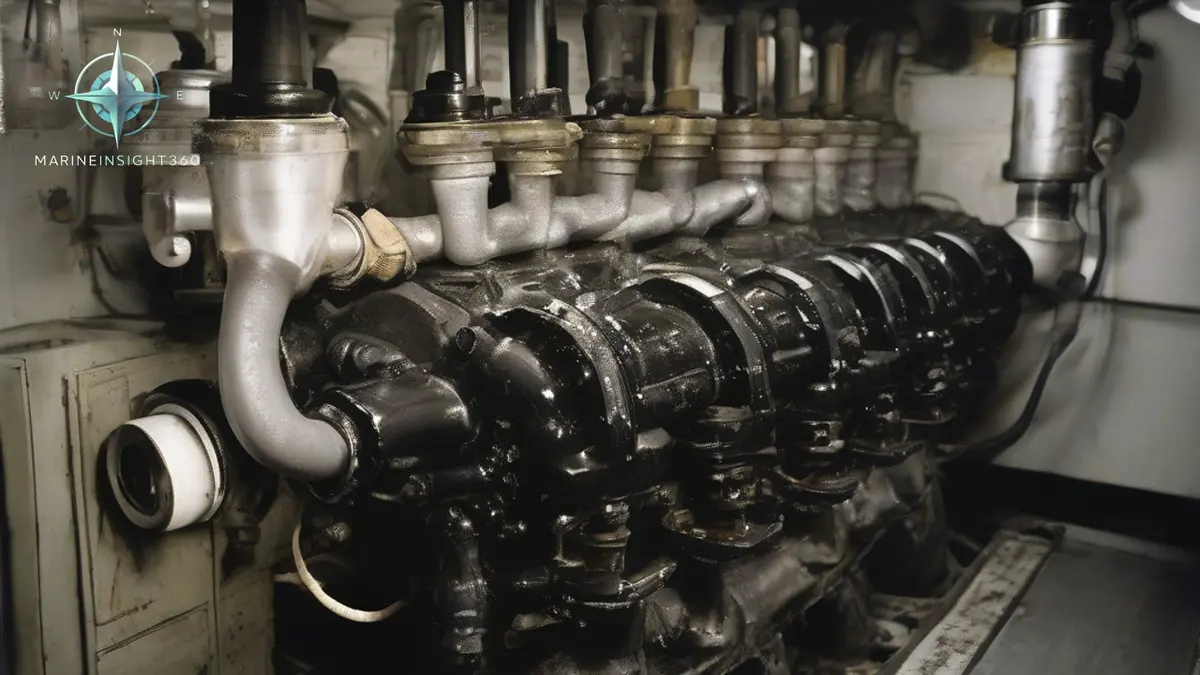
What hit the ships and what was in the fuel
Cashew nutshell liquid (CNSL) is an undeclared blend component found in marine fuel bunkered in the Singapore and Rotterdam areas, and fuel testing company CTI-Maritec has advised against using it as a marine fuel or as a blend component.
Ships that took those stems reported fuel sludging, filter clogging, injector failures, system deposits and corrosion of turbocharger nozzle rings, and CTI-Maritec traced the failures to CNSL blended into their fuel from undeclared source materials.
The detection work matters as much as the finding. Gas chromatography mass spectrometry using solid phase extraction found high concentrations, above 10,000 ppm, of cardol, cardanol, anacardic acid and other alkyl resorcinols. None of those compounds appear in a standard bunker analysis, which is why the affected ships found the damage before the laboratory found the cause.
Why cashew nutshell liquid attacks a marine diesel engine
CNSL is a byproduct of cashew processing, not a refined fuel, and its chemistry works against every part of a fuel system.
- High acid value. CNSL is highly corrosive, which puts fuel pumps, injectors and seals at risk long before combustion.
- Substituted phenols and a high iodine value. The material is reactive and unstable, so it polymerizes and drops out as sludge in tanks, filters and purifiers.
- High potassium. Potassium carried through combustion forms post-combustion deposits and drives corrosion of turbocharger nozzle rings, among the more expensive components on the exhaust side.
- No specification. No authorized body publishes a specification for CNSL, so there is no agreed limit, test method or quality baseline to buy against.
Why routine bunker testing did not catch it
A standard ISO 8217 test slate measures viscosity, density, sulphur, water, ash, micro carbon residue, flash point, pour point, aluminium plus silicon and a handful of other parameters. A blend can sit comfortably inside every one of those numbers and still ruin an engine, because the harmful components are simply not on the list.
That gap is what the general requirements clause exists for: fuel must be free from any material at a concentration that harms the ship, the machinery or personnel. It is a sound principle and a weak commercial tool, because proving a breach after a failure needs GC-MS work that nobody runs as a matter of routine.
What crews should watch on board
The early symptoms appear in the fuel treatment plant before they appear as damage.
- Purifier sludge discharge rising sharply on a new stem, or the purifier tripping on back pressure.
- Filter differential pressure climbing between routine changes, with elements coated rather than dirty.
- Fuel pump and injector wear appearing early, spray patterns deteriorating, or exhaust temperature deviation between units.
- Sticky, lacquer-like deposits in strainers and settling tank drains.
- Turbocharger performance drifting, with rising exhaust temperature and falling turbocharger speed at the same load.
How to reduce exposure before the next stem
- Buy on declaration. Require the supplier to state the type, percentage and feedstock of any bio component. Unwillingness to declare is itself the warning.
- Segregate. Take a new stem into a dedicated tank, avoid commingling with fuel already on board, and run the previous stem down before switching where the tank arrangement allows.
- Sample properly. Take a continuous drip sample throughout the transfer, seal it in the presence of the supplier, and keep the commercial sample as well as the MARPOL sample.
- Escalate the right test. Once symptoms appear, ask for GC-MS screening rather than a repeat of the standard slate, which will come back on specification again.
- Note protest and preserve the chain. Stop using the fuel, record tanks and timings, issue a written protest, and notify owners, the technical manager, class and the hull and machinery underwriter early.
The wider problem with undeclared bio blends
Demand for bio components in marine fuel is rising as owners look for compliance options, and that demand pulls material into the blending pool faster than specifications and testing can follow. FAME-based blends have established test methods and agreed limits. Materials like CNSL have neither, and they enter the supply chain through blenders rather than through the ships that end up burning the result.
Ports are the practical control point. Singapore and Rotterdam both license bunker suppliers, and licensed supply combined with a documented declaration of blend components is the strongest protection a buyer has. Operators who treat bunker quality as a purchasing decision rather than an engine room problem are the ones who avoid the repair bill.
Why this matters beyond the affected ships
A set of injectors, a turbocharger overhaul and an unplanned off-hire add up quickly, and the loss usually lands on the owner rather than the supplier precisely because the fuel tested on specification. Chief engineers and technical superintendents should add a blend component declaration to the bunker purchase checklist now, and review the Marine Machinery section of Marine Insight 360 for the fuel treatment settings that give the plant its best chance against an off-specification stem.
The paperwork that survives a dispute is statutory. MARPOL Annex VI requires a bunker delivery note and a retained representative sample, sealed and signed, and that sample is the one an arbitrator will accept. Flag and port state inspectors check the note and the sample chain. The Maritime and Port Authority of Singapore licenses bunker suppliers and can suspend a licence, and Lloyd's Register's fuel testing service circulates alerts when a bad stem shows up in a port.
Time limits decide the claim, not just the chemistry. Bunker supply terms carry short notice periods for a quality complaint, measured in days, and the sludging that reveals a bad stem can appear after that window has closed. A chief engineer who logs purifier discharge rates and filter differential pressure from the first day on a new stem gives the owner a dated record. Without one the argument reduces to a certificate that said the fuel was on specification.
Sources and further reading
- MARITEC: Cashew Nut Shell Liquid Biofuel Blended in Marine Fuel
- Warning: Marine Engines May Also Be Allergic to Cashew Nutshell Biofuel
- Nut Allergy? Singapore and Rotterdam Ships Hit by Cashew-Related Failures
- Cashew nutshell marine biofuel warning sent out
What to read next
Recommended Reading

How a Steamboat Works: Boiler, Engine and Paddle Wheel
How a steamboat works, from furnace and boiler through cylinder, valve gear and condenser to the paddle wheel, and why screw propellers replaced paddles at sea.
How a Ship's Engine Works: Inside the Marine Two-Stroke
How a ship engine works, from air charge and fuel injection to scavenging, turbocharging and direct drive to the propeller on a slow-speed two-stroke.
Singapore Registry of Ships: Who Can Register and What the Flag Expects
How the Singapore Registry of Ships works: ownership and paid-up capital rules, the 1,600 GT and 17-year thresholds, class societies and flag state control.