
DOF vessel wins ‘very large contract’ in North America
DOF vessel wins ‘very large contract’ in North America: regulatory and compliance context for US, UK, Canada, Australia, Singapore and European...
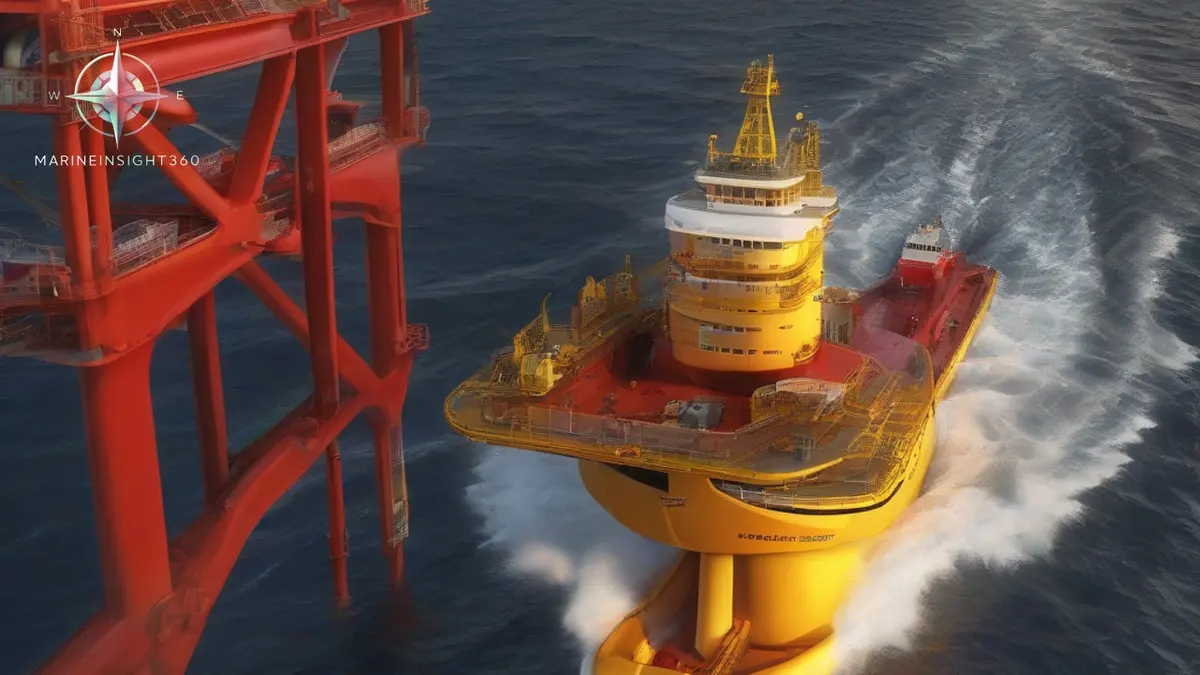
DOF Wins Large North America Subsea Contract
The DOF vessel Skandi Involver , a DP3 subsea construction ship, has won a three‑year North America charter that owner DOF Group ASA describes as “very large”. The deal, announced by the Norwegian offshore operator, will begin in early Q3 2026 and includes two one‑year options.
What the Contract Covers
The charter covers a full range of subsea activities: construction, inspection and maintenance of offshore facilities. Skandi Involver’s DP3 dynamic positioning system allows it to maintain position within a few metres of a subsea installation while the crew carries out complex tasks such as pipe laying, wellhead installation and equipment servicing.
Key Elements for Operators
- Duration: Three years, with optional extensions.
- Scope: Construction, inspection and maintenance of subsea infrastructure.
- Start date: Early Q3 2026.
- Geographic focus: North America, covering the Atlantic and Gulf of Mexico regions.
Skandi Involver – A DP3 Workhorse
DP3 vessels are the pinnacle of dynamic positioning technology. They can hold position under wind, current and wave conditions that would challenge less advanced vessels. For crews, this means:
- Higher safety margins when working close to subsea structures.
- Reduced risk of drift‑related incidents.
- Greater flexibility in scheduling work windows.
Skandi Involver’s design also supports heavy lifting and complex subsea operations, making it a versatile asset for any offshore project.
DOF’s Growing North American Footprint
DOF Group’s North American presence is expanding beyond the Skandi Involver contract. The company has also secured:
- A $200 million charter for the Skandi Chieftain and Skandi Olympia vessels with Petrobras in Brazil.
- A $2 billion newbuild vessels contract with the Brazilian state‑controlled oil company.
These deals demonstrate DOF’s ability to win large, multi‑year contracts across diverse markets, from the Atlantic to South America.
Implications for Seafarers and Cadets
For those on board, the contract offers several tangible benefits:
- Job security: A multi‑year charter reduces crew turnover and provides stable employment.
- Skill development: Working on a DP3 vessel exposes crews to advanced positioning systems and complex subsea tasks.
- Career progression: Experience on high‑profile projects can open doors to future assignments with DOF or other operators.
Cadets and junior officers should note that operating a DP3 vessel requires rigorous training in dynamic positioning, safety management and subsea operations. DOF typically provides on‑board training modules and simulation sessions to prepare crews for the demands of the contract.
Common Mistakes to Avoid
When preparing for a large subsea charter, operators often overlook:
- Positioning system checks: Regular calibration of the DP3 system is essential; failures can lead to costly delays.
- Environmental briefings: Understanding wind, current and wave forecasts reduces the risk of drift and equipment damage.
- Equipment readiness: Ensuring all subsea tools and lifting gear are in service before the start date prevents downtime.
Addressing these areas early helps maintain the project schedule and keeps crew morale high.
Edge Cases and Cost Considerations
Large subsea contracts often involve:
- Unplanned extensions: The two one‑year options allow DOF to extend the charter if project scope increases.
- Variable weather windows: In North America, seasonal weather can affect operational windows; crews must be prepared for rapid schedule adjustments.
- Insurance and risk premiums: Subsea work carries higher insurance costs; operators must factor this into the charter rate.
Understanding these variables helps operators negotiate fair terms and manage budgets effectively.
What equipment class 3 has to prove
DP3 is not a marketing grade. It is IMO equipment class 3, and the test is redundancy that survives the loss of a whole compartment. Generators, switchboards and thruster control have to sit in separate spaces divided by A-60 fire boundaries, with a backup DP control position outside the main machinery space. A fire or flood in any one of those compartments must not take the vessel off position.
That is why class 3 is the notation asked for when a loss of position would put people or subsea equipment at risk. The redundancy buys the working window, not the accuracy figure.
How position is usually lost
Station keeping incidents rarely start at the thrusters. The common chains are a power system fault that trips generators in sequence, a position reference that degrades without the operator noticing, and a mode change made at the wrong moment.
Reference is the quiet one. A vessel running on satellite positioning alone can drift when the correction signal drops out, which is why close work is normally held on a taut wire, a hydroacoustic beacon or a laser reference as well. Calibration and a completed trials record before the charter starts is what keeps that from becoming downtime.
What This Means for the Industry
DOF’s contract signals a growing demand for high‑capability subsea vessels in North America. Operators who can deliver DP3 performance, robust safety protocols and flexible scheduling are likely to win similar deals. For seafarers, this translates into more opportunities to work on technologically advanced vessels and in high‑profile offshore projects.
Next Steps for Professionals
To stay informed about similar opportunities and deepen your knowledge of subsea operations, explore the Marine Insight 360 Knowledge Base and the Shipboard Operations section. These resources offer detailed guides on DP systems, crew training and best practices for subsea projects.
Source and verification
This report is based on information published by offshore-energy.biz. Claims attributed to military or government parties remain claims unless independently confirmed.
Recommended Reading
Rolls-Royce Nuclear Wins Big Small Reactor Contract
Rolls-Royce Nuclear Wins Big Small Reactor Contract: safety, training and compliance context for US, UK, Canada, Australia, Singapore and European...
What Are Very Large Gas Carriers (VLGC)
What Are Very Large Gas Carriers (VLGC): career, certification and hiring context for US, UK, Canada, Australia, Singapore and European maritime readers.
When Did Christopher Columbus Discover America?
Columbus Day sparked widespread controversy, and the celebration of Columbus's assassination was eventually replaced by Indigenous Peoples Day, which is…