
Extreme Heat Hazards Faced by Seafarers
Extreme Heat Hazards Faced by Seafarers: career, certification and hiring context for US, UK, Canada, Australia, Singapore and European maritime readers.
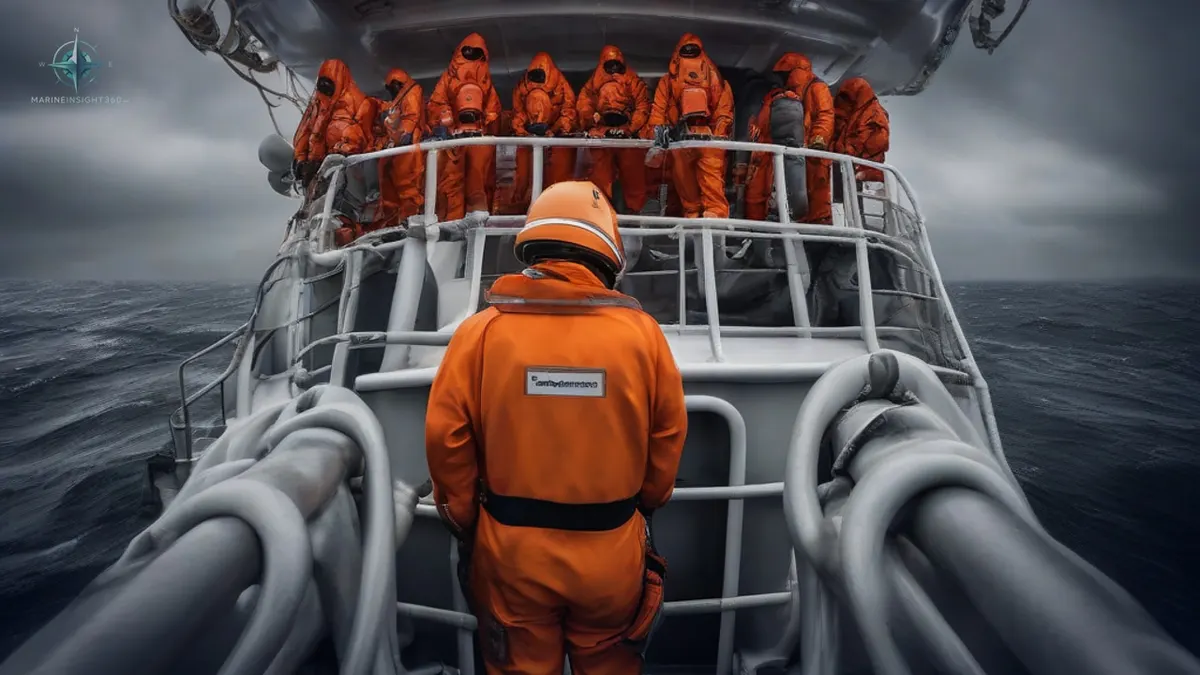
Seafarers face many problems at sea. Heat hazards can often occur onboard ships due to the extreme temperature. Along with high humidity conditions where seafarers often work. However, even with the awareness and available preventive measures, there have been a worrying number of cases where human indifference has ended up in serious illness and even death.
Heat Exhaustion Among Seafarers
Heat exhaustion normally develops gradually and is caused by the body's loss of salt and water through excessive sweating.
Those unwell, especially with illnesses that cause vomiting and diarrhea, are particularly vulnerable. As the condition develops, there may be:
- Headaches and also dizziness;
- Confusion
- Lack of appetite and nausea;
- Sweating;
- Pale, bad skin;
- Cramps in the arms, thighs, or abdominal wall.
Sweat is the body's best heat-control mechanism, but the lost salt and water must be replaced. The salt is supposed to be taken with food and supplemented with drinks containing salt to prevent heat cramps. In conditions of moderate heat, a minimum of four liters (seven pints) of fluids are needed a day, but in high temperatures, this goes up to six to seven liters (10-12 pints).
At the same time, when the atmospheric temperature is the same or more than the body temperature (37°C), it is not going to be possible to lose heat by radiation.
A humid atmosphere will only make things worse, as sweat will not evaporate quickly from the body. Particular care must, therefore, be taken when working in hot conditions. This is especially true in engine rooms and other confined spaces. In super hot conditions, as well as drinking plenty of water, seafarers need to wear protective clothing that ensures the free circulation of air to allow sweat to evaporate.
Extreme Heat Hazards Among Seafarers
Heat stroke results due to a failure of the brain's 'thermostat': the body becomes dangerously overheated because of high fever or prolonged exposure to heat. Sometimes, it can follow heat exhaustion when perspiration stops and the body cannot be cooled by evaporation. Heat hazards like stroke can occur suddenly, resulting in unconsciousness within minutes, and on occasion, it is potentially fatal.
Sometimes, there will be zero indication of what is wrong until it is too late. There might be warning signs to watch out for among seafarers. There may be:
- Headache, dizziness, also discomfort;
- Restlessness and confused state;
- Hot, flushed, and dry skin;
- A quick deterioration in the level of response;
- A complete, bounding pulse;
- Body temperature over 40°C.
In the case of heat stroke, the seafarers should be covered in a cold, wet sheet. The sheet is kept wet until the temperature has dropped to 38°C. The wet sheet can then be substituted with a dry one. Then, seafarers can be carefully monitored. Should the patient's responses deteriorate or become unconscious, ensure their airway is open and check their breathing. In all cases, professional medical advice should be sought as soon as possible.
Career planning context
For cadets, ratings and officers, extreme heat hazards should be read alongside current company requirements, flag-state rules, medical fitness standards and training-provider instructions. The pathway can change by country, rank, vessel type and previous sea service, so candidates should verify documents before paying fees or accepting a joining offer.
Recommended Reading
Four Social Networks for Seafarers
Four Social Networks for Seafarers: safety, training and compliance context for US, UK, Canada, Australia, Singapore and European maritime readers.
Insurance: What Seafarers Need to Know Before Purchasing
Insurance: What Seafarers Need to Know Before Purchasing: regulatory and compliance context for US, UK, Canada, Australia, Singapore and European...
Why Seafarers Quit Their Seafaring Careers?
Why Seafarers Quit Their Seafaring Careers?: ports, trade and shipping-market context for US, UK, Canada, Australia, Singapore and European maritime...