
The Essential Guide to Bow Thruster Construction and Functionality
A bow thruster is built as a controllable-pitch propeller inside a transverse tunnel through the hull, driven by an electric motor, and that construction…
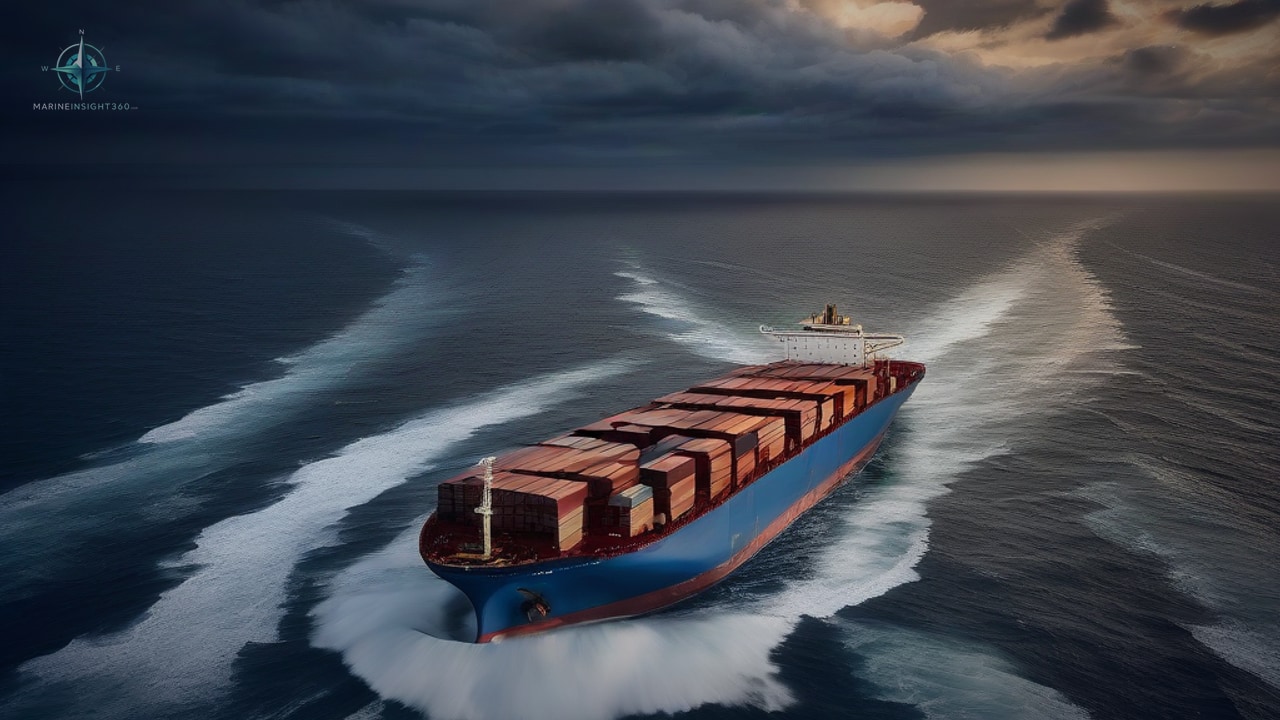
A bow thruster is built as a controllable-pitch propeller inside a transverse tunnel through the hull, driven by an electric motor, and that construction lets a ship push sideways when manoeuvring in port. Bow thruster construction is mirrored at the stern, where the same unit is called a stern thruster, and the number fitted depends on the ship's length and cargo capacity.
A bow thruster is a propeller-type system installed at the bow (front) of a ship; the same unit at the stern is called a stern thruster. Thrusters are much smaller than the main propeller and make the ship more manoeuvrable at low speeds. They are used when manoeuvring near the coast or in canals, and when entering or leaving port in strong currents or adverse winds.
Bow thrusters reduce a ship's dependence on tugs when berthing and unberthing, which shortens time in port and cuts costs. A ship with a bow thruster may need one tug instead of two for arrival and departure. Many vessels now have both bow and stern thrusters and can manoeuvre within port limits without tugs, unless port regulations require them.
Bow Thruster Installation
Side thrusters are transverse thrusters installed in tunnels at the forward and aft ends of a vessel. The thruster at the forward end is called the bow thruster, and the one at the aft end is called the stern thruster. The number of thrusters installed depends on the length of the ship and its cargo capacity. The ship's trade also matters, as many countries have local regulations that require tugs when entering and leaving port.
The following are Essential for the Installation of Side Thrusters:
- The thruster room, also known as the bow thruster room, must be easily accessible to the ship's crew from the open deck.
- Most ocean-going ships use electric motors to drive the thruster. The motor generates heat and must be installed in a dry and well-ventilated space.
- A high-level bilge alarm is installed in the bow thruster room, with indication in the engine control room and on the bridge.
- The thruster room must be well lit.
- The room must have at least one light supplied from the emergency source of power.
- If more than one control panel is installed, the thruster must be operated from only one panel at a time.
Bow Thruster Structure and Function
Each thruster sits in a transverse tunnel that runs through the hull from one side of the ship to the other, below the waterline. A ship with both units has one tunnel forward and one aft. The propeller draws water in from one side of the ship and discharges it out of the other, which pushes the bow (or stern) in the opposite direction to the discharge. It can thrust in both directions, port to starboard and starboard to port.
Some thrusters are driven by diesel engines or hydraulic motors instead of electric motors, and these need more maintenance. Most thrusters use controllable-pitch propellers (CPP), so the direction and amount of thrust are changed by turning the blades in the propeller hub.
The Thruster Assembly Consists of following Components:
- Electric motor with safety relay
- Flexible coupling between motor and thruster
- Bracket and housing for electric motor
- Connection flange and shaft
- Motor housing seal
- Tailpiece with shaft seal
- Bearing
- Propeller shaft
- Zinc anode
- Grid with bars at the both ends of the tunnel
How the Bow Thruster Works
On a typical installation the electric motor is mounted vertically above the thruster and drives the propeller through a bevel gear set in the thruster body. The motor runs at constant speed, and the blade pitch is changed whenever a change in thrust or direction is needed. The blades are turned by hydraulic oil acting on a mechanism inside the hub to which they are attached.
Because the propeller is of the controllable-pitch type, the motor can run continuously and the pitch can be set to zero when no thrust is required.
The thruster is normally controlled remotely from the bridge. If remote control fails, the pitch can be changed manually from the thruster room, usually by operating the hydraulic valve block there.
Considerations When Operating The Side Thrusters
- Make sure the hydraulic pump is running and the hydraulic lines are open before starting the thruster.
- Do not operate the thruster above its rated load, or the motor will overload and trip.
- Change pitch gradually. Avoid sudden changes from full thrust one way to full thrust the other way.
- Start the motor with the pitch at zero so it starts without load, and run the thruster only when the tunnel is fully submerged.
- Before starting, check for small craft, swimmers, boats, or tugs close to the thruster tunnel openings.
- Never touch moving parts or a running electric motor.
- When more than one control panel is installed, ensure that the thruster is operated from only one panel at a time.
Bow Thruster Maintenance
1. The motor insulation resistance must be checked regularly and the windings kept dry. A bow thruster sits idle for long periods, so moisture can build up and the insulation resistance can drop, especially in cold regions.
2. The motor space heater is checked to make sure it is working and keeping the windings dry.
3. Motor bearings and joints must be lubricated monthly.
4. The hydraulic oil should be checked monthly for water contamination, and samples should be sent for laboratory analysis.
5. The starter contactor contacts should be checked from time to time for wear and pitting.
Major Maintenance of the Bow Thruster
Major overhaul of the bow and stern thrusters is done in dry dock, when the hull is out of the water and the propeller blades and tunnels can be reached. The following work is typically done in dry dock.
- O-ring and seal ring replacement
- Pinion shaft removal
- Gear set inspection and maintenance/replacement
- Bearing replacement
- Blade repair, cleaning, and replacement
- Hub inspection, with repair or replacement if necessary
- Inspection and overhaul of oil distribution box (for propeller blade operation)
Advantages Of Using Bow Thruster
1. Improved maneuverability of the ship at low speeds.
2. Improves ship safety when entering a port during bad weather.
3. Save money by reducing port time and also reducing the use of tugs.
Disadvantages Of Using A Bow Thruster
1. A large induction motor is needed, which draws a heavy starting current, so a large generator capacity is required.
2. Initial investment is high.
3. Maintenance and repairs in case of damage are expensive.
Recommended Reading
10 Essential Personal Protective Equipment (PPE) on Board Ships
For any professional seafarer working on board, personal safety and the safety of their crew are paramount.
The 10 most expensive port construction projects
In the maritime industry, ports play an essential role in making sure everything runs smoothly. With such a huge amount of the world being focused on…
Compass Keeper: The Essential Role of the Binnacle in Maritime Navigation
First, compasses were used for navigation by early explorers. Then, the binnacle was developed to house the compass and provide protection from the elements.