
What Is Port Agency? Complete Guide
A port agency is essentially the ship owner or charterer's local representative. They ensure that everything runs smoothly while the ship is in port.
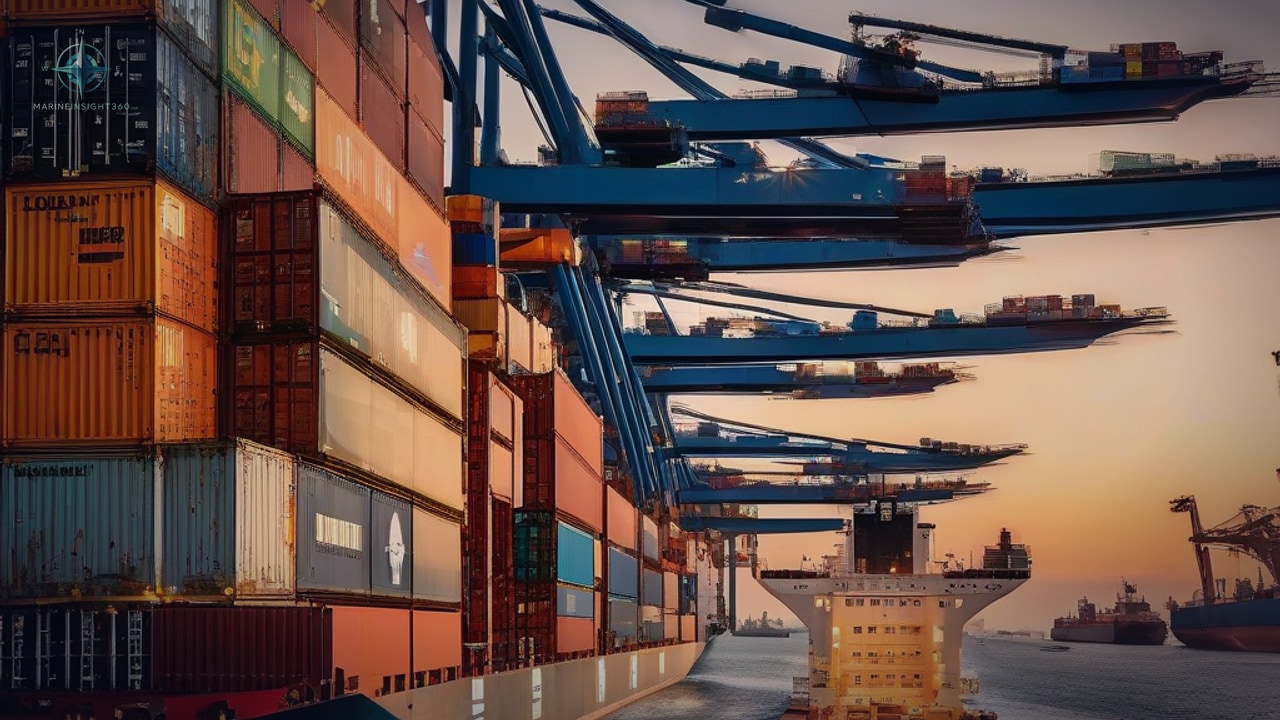
What Is The Concept Of Port Agency?
A port agency is the local representative of the shipowner or charterer in a port. The agent looks after the ship from before she arrives until after she sails, and makes sure the call goes as smoothly as the port allows.
Think of a ship arriving in a foreign port as a visitor who does not know the rules, the language or the people. The agent is the local who does. On board, the agent is usually the first person up the gangway after the pilot and the last ashore before departure.
Overview
The agent connects the ship to everyone ashore she has to deal with: the port authority, customs, immigration, port health, terminals, pilots, tugs, chandlers and repair firms. The work covers almost everything a ship needs during a port call.
An agent can act for different principals. The owner's agent is appointed and paid by the owner; under many voyage charters the charterer nominates the agent instead, and the owner may then appoint a protecting agent of its own to look after its interests in the same port.
The Core Functions of a Port Agency
Paperwork comes first. Before arrival the agent sends the pre-arrival notices the port requires and prepares the clearance documents: customs declarations, crew and passenger lists, port health papers, permits and cargo manifests. Getting these right keeps the ship within local rules and avoids delays and fines.
The agent also tenders or receives the notice of readiness, keeps the statement of facts that records every event in port, and sends the principal a proforma disbursement account before arrival and a final account after sailing.
For cargo, the agent coordinates with the terminal, stevedores, truckers and warehouses so that cargo is ready when the ship is, which keeps turnaround time and costs down.
The agent also looks after the crew: arranging fresh provisions, doctors and hospital visits, crew changes, shore passes and travel, and dealing with local authorities on the crew's behalf when problems come up.
With the Port Authority, the agent books the berth, orders pilots and tugs and passes on port regulations to the master.
When something goes wrong, such as a collision, a pollution incident, a fire or a serious injury, the agent is the owner's contact on the spot, working with the local authorities, salvors, P&I correspondents and surveyors to protect the ship, crew and cargo.
Why Do You Need a Port Agency?
Few owners or operators could handle a port call in a foreign country from their own office, and most ports require a ship to have a local agent anyway.
Local Expertise and Network:
A good agent knows the local regulations, procedures and market, which cuts the risk of delays and penalties. Long working relationships with customs officers, stevedores and port authority staff help things move, and often mean better rates for services.
Efficiency and Time Savings:
Because the agent knows the procedures and the people, cargo handling and customs clearance go faster. Shorter port stays mean the ship gets back to sea sooner and earns more over a year.
Risk Mitigation:
Weather, equipment breakdowns and changes in local rules can all upset a port call. An experienced agent sees many of these problems coming and deals with them early, which saves the owner or charterer money and disruption.
Focus on Core Competencies:
Owners and operators have their own business to run, whether that is chartering, freight forwarding or ship management. Handing port work to an agent lets them get on with it.
Access to Specialized Services:
Many agencies also offer husbandry services for the ship and crew, such as spares delivery, cash to master, crew changes and medical care, as well as emergency support.
For most owners, then, a good agent pays for itself in time saved and problems avoided in a competitive maritime industry.
A Day in the Life of a Port Agent: Challenges and Rewards
Being a port agent is a round-the-clock job. Ships arrive at 3 a.m. and on public holidays, and the agent has to be there when they do.
The Challenges of Being a Port Agent
From the outside the job can look glamorous. In practice it is fast, demanding and never quite finished.
Juggling Multiple Balls:
An agent may have several ships in port at once, each with different cargo, crew and paperwork, so time management and priorities matter. Something unexpected turns up nearly every day.
Unexpected Issues:
Bad weather, a crane breakdown or a late change in the cargo plan can wreck the best-planned port call. Agents have to think quickly and find workable answers under pressure.
Tight Deadlines:
Delays cost owners and charterers money, through demurrage, off-hire and missed laycans, so agents are under constant pressure to get ships away on time.
Each port and each country also has its own rules, and they change. Agents have to keep up with them to keep their principals out of trouble.
Language Barriers:
Shipping brings together people of many nationalities and languages. An agent often has to make sure a master, a customs officer and a stevedore foreman all understand the same instruction.
Emergency Situations:
Agents also have to be ready for fires, oil spills, medical emergencies and security incidents, and they play a large part in organising the response on the ground.
The Rewards of Being a Port Agent
For the right person, agency is a good career path. No two days are the same, and the work has a visible result: a ship that came in, worked her cargo and sailed on time.
Agents solve problems for a living, which keeps the job interesting. They also deal every day with seafarers, officials and clients from all over the world.
Seeing a difficult port call through from arrival to departure is satisfying, and many former seafarers move into agency work because it keeps them close to ships.
The Future of Port Agency
Digital tools are changing agency work. Port community systems, electronic clearance and the IMO requirement, since January 2024, for ports to accept arrival and departure information through a maritime single window all cut paperwork, and data from AIS helps agents plan arrivals. The job still depends on people who can build relationships, solve awkward problems and use judgement, and software does not replace that.
Agencies will need to train their staff for more digital work, and to help principals meet new environmental rules as the maritime sector cuts its emissions.
Port agents do much of the work that keeps the global supply chain moving, and the public rarely sees any of it.
Recommended Reading
Maritime Cybersecurity in 2026: Why Every Ship and Port Must Prepare
Practical measures for ships and companies A robust maritime cybersecurity programme does not have to start with costly hardware.
Shipping Agent Role: Port Call Duties Explained
Learn how a shipping agent coordinates vessel clearance, port services, documents and communications before, during and after a port call.
The Importance of Port Security
Introduction: Why Port Security Can No Longer Be an Afterthought Every single day, more than 90% of the world's traded goods pass through ports. These...