
How to Join French Merchant Navy?
The Merchant Navy industry in France is flourishing. Not just that, it is proving to be a great career path for people.
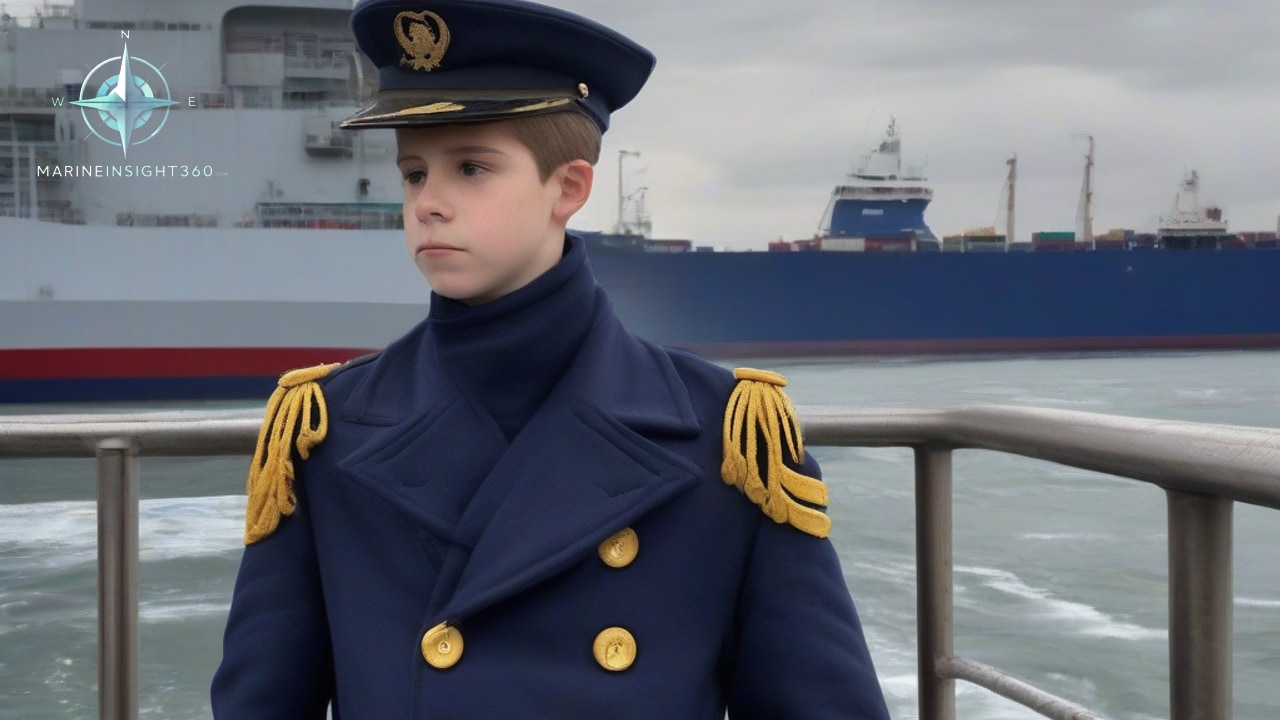
France has one of Europe's larger Merchant Navy industry sectors, with ferry, container, tanker and offshore companies under the French flag, and it is a solid career path for people who want to work at sea. The work brings long periods away and real responsibility as well as travel. France has a long maritime history and a shipping industry that still recruits, so the merchant navy offers steady openings for young people. This guide explains how to join the French merchant navy.
Understanding the Merchant Navy:
The merchant navy is the civilian fleet that carries goods and passengers by sea. It moves most of the world's trade, and it also runs the ferries and cruise ships that carry people between ports and countries.
It covers many kinds of ship: cargo ships, tankers, container ships, ferries, offshore vessels and more. French seafarers work on French-flagged ships, including those on the French International Register (RIF), and on foreign-flagged ships all over the world.
Qualifications and Eligibility:
Every route into the merchant navy has entry requirements. Some apply to everyone, and others depend on whether you are aiming for a deck, engine or catering job, and whether you want to be a rating or an officer.
Educational qualifications:
Ratings usually train at one of France's 12 lycées professionnels maritimes, the maritime vocational high schools, which offer the CAP and the Bac Pro in maritime trades. Future officers study at the École Nationale Supérieure Maritime (ENSM), which has sites in Le Havre, Marseille, Nantes and Saint-Malo. Entry to the ENSM officer courses generally requires the baccalauréat and passing the school's selection.
Physical requirements:
Life at sea is physically demanding, and every seafarer must pass a medical examination before going to sea and at regular intervals afterwards. In France the medical fitness examination for seafarers is carried out by the doctors of the Service de santé des gens de mer, who check eyesight, colour vision, hearing and general health. Colour vision matters in particular for deck officers, who have to identify navigation lights.
Age requirements:
Under the Maritime Labour Convention, no one under 16 may work on a ship, and seafarers under 18 are restricted from night work and certain dangerous jobs. Most people start training at 15 or 16 at a lycée maritime, or at 18 after the baccalauréat for the ENSM.
Language proficiency:
On French-flagged ships the working language is usually French, so French is important. English is the international language of the sea, used for radio communication, with pilots and port authorities and on multinational crews, and officers in particular need a good command of it. Maritime English is part of officer training, and some foreign employers ask for a recognised test such as IELTS.
Training and Certification:
Once you meet the general requirements, the next step is training and certification. There are several routes into the industry, but all of them lead to the certificates required under international rules.
Maritime Education Institutes:
France has a network of maritime education institutes run under the ministry responsible for the sea. The lycées professionnels maritimes train deck and engine ratings, fishermen and some junior officers, and the ENSM trains merchant navy officers up to the highest certificates, including its five-year course that leads to both the officer certificates and an engineering degree.
Courses combine classroom study with simulator work and time at sea on training placements. Before choosing, compare the courses on offer, the sea time they include and the certificates they lead to, and check that the institute is approved by the French maritime authorities.
Basic safety training:
Every seafarer must complete basic safety training before going to sea. It covers personal survival techniques, fire prevention and firefighting, elementary first aid, and personal safety and social responsibilities, so that you know what to do if the ship catches fire or has to be abandoned.
STCW certification:
STCW stands for the International Convention on Standards of Training, Certification and Watchkeeping for Seafarers. It sets the minimum training and certification standards for seafarers worldwide, and France, as a party to the convention, issues certificates that meet them. Every seafarer needs STCW certificates for their job, from basic safety training to officer certificates of competency.
Cadetship programs:
Many shipping companies take cadets for their sea training. For an aspiring officer, a cadetship with a company gives structured training on board, mentoring from experienced officers and the sea time needed for a first certificate of competency, and it often leads to a job after qualifying.
Outro:
Joining the merchant navy in France takes years of study, sea time and certificates, and it is not an easy route. For those who follow it, the merchant navy can lead to a long career, at sea and later ashore in ports, ship management or surveying.
Before applying, check the current entry requirements with the ENSM or the lycée maritime you are interested in, since courses and selection rules in the French maritime sector change from year to year.
Recommended Reading
How To Join Merchant Navy?
Merchant shipping is a common term often used to describe the merchant shipping industry. Its basic meaning is a fleet of ships used for commercial…
How To Join The Merchant Navy in South Africa
Working in a Merchant navy in South Africa that transports goods and also people at sea is an honorable profession. As it is an essential part of global…
How To Join the Merchant Navy In the UK
To join the UK Merchant Navy you must be at least 16, pass a medical and fitness check, and train through a cadet program or a maritime college with MCA-approved courses.