
How To Join Merchant Navy?
Merchant shipping is a common term often used to describe the merchant shipping industry. Its basic meaning is a fleet of ships used for commercial…
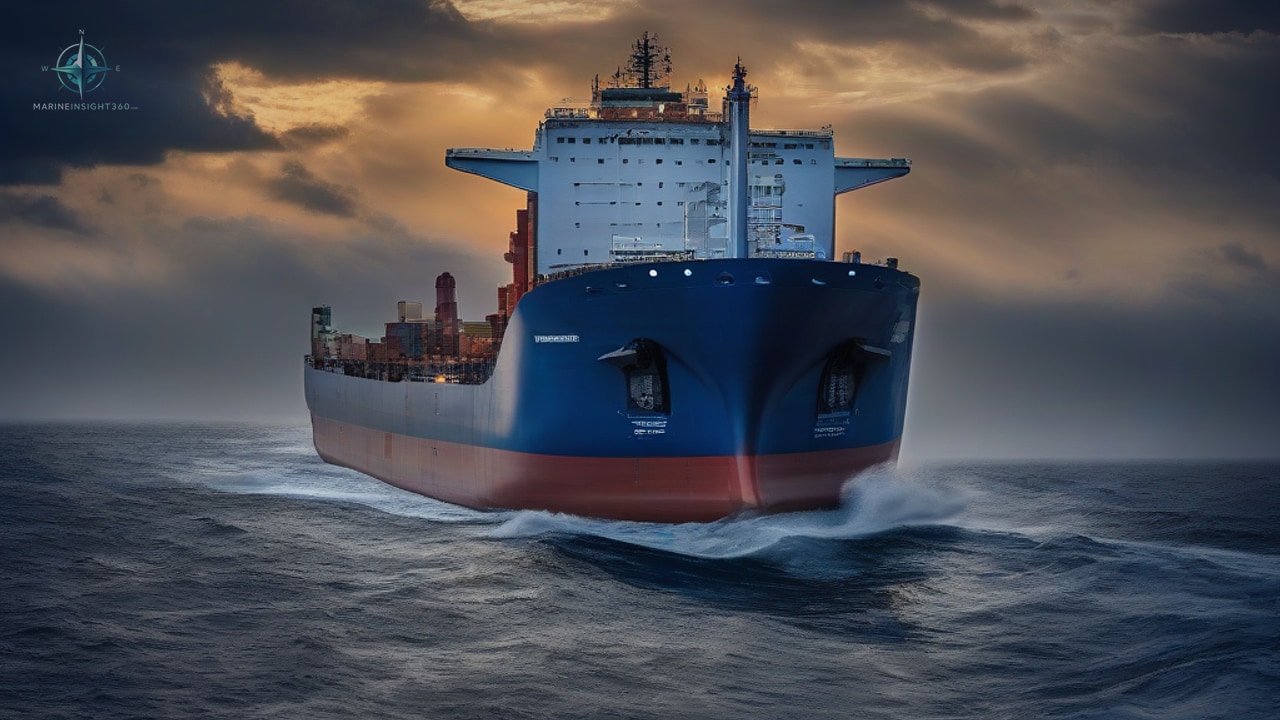
What is Merchant Navy?
To join the merchant navy, you complete pre-sea training at an institute approved by your country's maritime authority, pass a seafarer medical and STCW basic safety training, then serve 6 to 12 months at sea as a cadet before sitting the exam for a Certificate of Competency as an officer. Most entry programs take people aged about 17 to 25 who have finished high school with physics, mathematics and English, although it is possible to start after Grade 10. The Merchant Navy itself is the commercial shipping industry that carries goods and passengers by sea.
The Merchant Navy is also called the merchant marine or merchant fleet. It is made up of passenger ships, cargo ships, tankers, bulk carriers, car carriers, container ships, and other special types of ships.
The industry involves the transportation of goods and passengers around the world through sea routes. Merchant ships may also support offshore oil and gas work or run ferry services between ports.
It is an important part of the global shipping industry and the cornerstone of international trade, cargo transportation, and all commercial maritime transportation. Since most of the world's trade is carried out through sea routes, the merchant shipping industry is particularly important. Without the merchant fleet, most of the import and export trade would cease. The Merchant Navy is a civilian industry, separate from a country's armed navy. The people who work on its ships are called seafarers or merchant mariners.
Types of Merchant Ships
Common types of merchant ships include:
Container Ships: Container ships are cargo ships that transport goods in large containers, a technology called "containerization". It is often used for the exchange of goods between two countries.
Cargo Ships: Cargo ships are a type of transport ship that transports goods, commodities, and materials from one place to another. These ships are built for a specific purpose and are equipped with cranes and other equipment to load and unload products.
Bulk Carriers: Bulk carriers are used to transport bulk cargoes such as coal, cement, grains, and ores. They carry the cargo loose in their holds, without packaging.
Ro-Ro Ships: Ro-Ro (RoRo) ships are used to transport mobile cargoes such as trucks, vehicles, trailers, semi-trailers, cars, etc. Ro-Ro ships come in various shapes and sizes, including passenger ferries, car carriers and Ro-Ro cargo ships.
Tankers: are cargo ships used to transport and deliver bulk liquids and gases. The most common types of tankers are gas tankers, oil tankers, and chemical tankers.
Tugs: Tugs are small, powerful vessels that push or tow larger ships in harbours and narrow channels, tow barges and disabled ships, and assist in salvage.
Fishing Boats: This type of boat or ship is used to take fish from the ocean, lakes, and rivers. These vessels are used to meet the supply and demand requirements of the fishing industry.
Passenger Ships: The main function of a passenger ship is to carry passengers. Cruise ships carry passengers on holiday voyages, while ferries carry passengers, and often vehicles and cargo, on fixed routes.
Merchant Ship Departments on Board
As a member of the Merchant Navy, you can work in three different departments on board the ship.
Deck Department: The deck department is responsible for the navigation of the ship, cargo operations on deck, and mooring equipment, etc. The deck officers are responsible for navigation, cargo work and the ship's safety equipment. The captain (master) has overall command of the ship and all its departments.
Engine Department: The engineers in the engine department are mainly responsible for the management and maintenance of the ship's machinery in the engine room. The Chief Engineer heads the department and reports to the Captain.
Catering (Saloon) Department: The catering department prepares food for the crew and passengers and keeps the accommodation clean. It is run by the chief cook or, on larger ships, the chief steward, who reports to the Captain.
How to join the Merchant Navy?
The Merchant Navyrefers to the commercial shipping industry that transports goods and passengers across the world. Roles include deck officers (navigation), engineering officers (ship machinery), ratings (support staff), and more. Decide which career path interests you: deck, engine, or hospitality (for example, catering on cruise ships).
To join the Merchant Navy, you must possess the minimum qualifications required for a particular position on board. You must also be in good physical condition and meet minimum medical standards. The requirements to join the Merchant Navy vary from country to country.
For example, in Pakistan, Physics, Chemistry and Mathematics are the main subjects required to become a deck or engine room officer. English proficiency is also required.
However, it is possible to join the Merchant Navy as a rating after completing Grade 10, for example through India's General Purpose (GP) Rating course.
2. Check Eligibility Requirements
- Age : Typically, you need to be between 17 and 25 years old for entry-level programs, though this varies by country and role.
- Educational Qualifications : For officer roles (e.g., deck or engine officer): A high school diploma with strong grades in physics, mathematics, and English is often required. Some countries require a bachelor’s degree in marine engineering or nautical science.
- For ratings (e.g., seaman, cook): A high school diploma or equivalent may suffice, though specific certifications are needed.
3. Complete Required Education
- Pre-Sea Training : Enroll in a maritime training institute approved by your country’s maritime authority (e.g., the Directorate General of Maritime Administration (DGMA), formerly DG Shipping, in India, the MCA in the UK, or the USCG in the USA). Courses include: Diploma in Nautical Science (for deck officers).
- Marine Engineering (for engine officers).
- Short-term courses for ratings.
4. Obtain Necessary Certifications
After pre-sea training, you’ll need:
- STCW Basic Safety Training : Covers firefighting, first aid, personal survival, and security awareness.
- Passport and Seaman’s Book : Essential for international travel and identification as a seafarer.
- Other certifications depend on your role (e.g., radar operation, GMDSS for deck officers).
5. Gain Sea Time (Training)
- Most programs require onboard training (6 to 12 months) as a cadet or apprentice. You’ll work under experienced officers to gain practical experience.
- Some institutes or shipping companies sponsor this training, while others require you to find a placement.
6. Apply to Shipping Companies
- Research companies like Maersk, MSC, Evergreen, or local firms in your country.
- Submit your resume, certificates, and medical fitness report.
- Entry-level positions include cadet (officer trainee) or ordinary seaman (rating).
7. Pass Licensing Exams
- After completing sea time, you’ll take competency exams (e.g., Officer of the Watch, 2nd Mate) administered by your country’s maritime authority.
- Success grants you a Certificate of Competency (CoC), allowing you to work as an officer.
8. Start Your Career
- Once certified, you can join a ship as a junior officer, rating, or crew member. Career progression depends on experience, additional certifications, and exams.
Country-Specific Tips
- India : Get an INDoS number through an institute approved by the Directorate General of Maritime Administration (DGMA, formerly DG Shipping), such as the Indian Maritime University (IMU), whose Navi Mumbai campus is the former TS Chanakya.
- UK : Look into the Merchant Navy Training Board (MNTB) and MCA-approved courses.
- USA : Consider the U.S. Merchant Marine Academy or get a TWIC card and MMC (Merchant Mariner Credential).
Additional Advice
- Networking : Connect with current seafarers or join online forums for guidance.
- Language Skills : Proficiency in English is critical, as it’s the international maritime language.
- Costs : Training can be expensive unless sponsored. Look for scholarships or company sponsorships.
If you want to apply to the merchant navy, then go to our maritime career section and apply for the jobs you are eligible for. And get your Merchant Navy career get started.
Advantages of Joining the Merchant Navy
1. Travel around the world while working
Travel enthusiasts find this feature very attractive. When people think about joining the merchant navy, the first thing that comes to mind is travel, and the job takes you around the world at no cost to you.
Working in the merchant navy is an adventurous experience, and you can travel to almost any place in the world without paying out of your own pocket. Once the ship arrives at the port, you can go out and explore the area. Exploration and related activities depend on how long the ship stays in the port.
2. Get a good salary
Few jobs pay junior staff as well as the merchant navy, and salary is the main attraction of the career for many people. Pay rises steeply with rank, and captains and chief engineers earn several times what a new junior officer makes.
Cadets are paid a stipend during their training year, often around $300 to $500 a month. There is no single world pay scale: the ILO's Joint Maritime Commission sets only a minimum basic wage for an able seafarer, and actual pay depends on the company, the flag, the type of ship and, most of all, rank and experience.
3. Understanding Multiculturalism
Merchant marine professionals have the opportunity to meet and interact with individuals from different cultures and countries. This allows them to understand teamwork and improve their performance while learning the ins and outs of different cultures and customs. This enhances their adaptability and increases their understanding of what works and what doesn’t in a foreign country.
Merchant mariners are adaptable and can easily mingle with people from all over the world due to frequent contact with international colleagues. Even if a ship’s crew is from the same nationality, interaction with port officials from other countries enhances a seafarer’s understanding of culture and customs.
4. No requirement to have a prestigious university degree.
This is also a great advantage if you want to join the merchant navy. To start your seafaring career, you don’t need a higher qualification. Even if you have completed grade 10 or 12, you can enroll in a short course, such as the GP Rating course or a Diploma in Nautical Science, and start your pre-sea training.
As a 12th grade student, you can also apply for a certification course that will allow you to take up an officer position at an early age. After completing your pre-sea training, you can start your shipboard training at any shipping company of your choice. A career in the merchant navy is a perfect choice for those who do not want or cannot obtain an advanced college degree for various reasons.
5. Improves Professionalism
Working in the merchant navy teaches one how to work effectively as a team. Merchant seafarers must possess excellent communication skills, strong adaptability, and the ability to follow strict discipline. These skills are further developed when one spends a long time on the high seas as part of a new team.
During a career in the merchant navy, one not only develops professionally but also personally. This level of professionalism requires great responsibility for the ship and the crew; certain activities may seem routine to the average person after years of intensive training in the industry, but it takes years of hard work to achieve this level of skill.
6. Provides Early Financial Independence
As mentioned earlier, the advantage of a merchant navy employee is that the salary is generous. Young seafarers are usually paid in US dollars, often more than people of the same age earn in other industries.
Most shipping companies offer unique packages, incentives and benefits from the start of a seafarer's career. In addition to the high salaries in the merchant navy, shipping companies also cover the costs of induction, travel and flights upon joining and leaving. Therefore, sailors can achieve financial independence as early as possible if planned properly.
7. Long and comprehensive vacations
Since the nature of the merchant seafarer profession requires long-term work, the vacations provided to merchant seafarers are also equally compensatory. This allows these professionals to experience the best of both worlds on land and sea. After a contract of several months at sea, seafarers usually get a long spell of leave at home, often two to four months depending on rank and company.
That leave is time at home with no work at all, spent with family, which makes up for the long hours on board.
8. Promote Discipline
Punctuality and discipline are two essential skills that a merchant mariner must develop. Due to the unpredictable nature of the waters, a sailor must approach any situation with extreme caution, focus and vigilance, thereby greatly reducing the consequences. These two qualities are instilled in seafarers during pre-sea training.
On board, seafarers are expected to keep a disciplined routine, follow company and flag state rules and, on many ships, wear uniform on duty. In real life, discipline contributes greatly to very positive changes.
9. Temporary Senior Staff and Co-workers
Most seafarers work on fixed-term contracts, so you sail with different senior officers on each one. The captain is not a permanent head of the crew, and the chief engineer may change every few months or even in the middle of a voyage.
In the merchant navy, you only have to put up with a bad boss for one contract, and you may never sail with the same colleague again. On the other hand, if you sail with a good chief engineer or captain, he will also change after a few months.
Frequently asked questions
What qualifications do you need to join the merchant navy?
Officer trainees usually need a high school diploma with good grades in physics, mathematics and English, and some countries ask for a degree in nautical science or marine engineering. Ratings can join with a high school diploma or after Grade 10. Everyone must pass a medical covering eyesight, hearing and general health.
How long does it take to become a merchant navy officer?
Pre-sea courses last from 6 months to 3 years depending on the program, followed by 6 to 12 months of sea time as a cadet. You then sit the competency exam, such as Officer of the Watch, to get your Certificate of Competency.
How much does it cost to become a merchant seaman?
The cost depends on the country, the institute and the course length, and private training can be expensive. Company sponsored cadetships and scholarships cover the fees, and cadets are usually paid around $300 to $500 a month during their year of training.
How do I apply to join the merchant navy?
Apply to a maritime training institute approved by your national maritime authority, or to a shipping company that sponsors cadets, with your resume, certificates and medical fitness report. Entry level posts are cadet, for future officers, or ordinary seaman, for ratings.
How do you join the US merchant marine?
You can study at the U.S. Merchant Marine Academy, or train at an approved school and obtain a TWIC card and a Merchant Mariner Credential (MMC) from the US Coast Guard.
Recommended Reading

How To Join The Merchant Navy in South Africa
Working in a Merchant navy in South Africa that transports goods and also people at sea is an honorable profession. As it is an essential part of global…
How To Join the Merchant Navy In the UK
To join the UK Merchant Navy you must be at least 16, pass a medical and fitness check, and train through a cadet program or a maritime college with MCA-approved courses.

How to Join French Merchant Navy?
The Merchant Navy industry in France is flourishing. Not just that, it is proving to be a great career path for people.