
How to Join the Polish Merchant Navy
To join the Polish Merchant Navy, aspiring seafarers need maritime training, STCW certification, a seafarer passport and a medical examination.
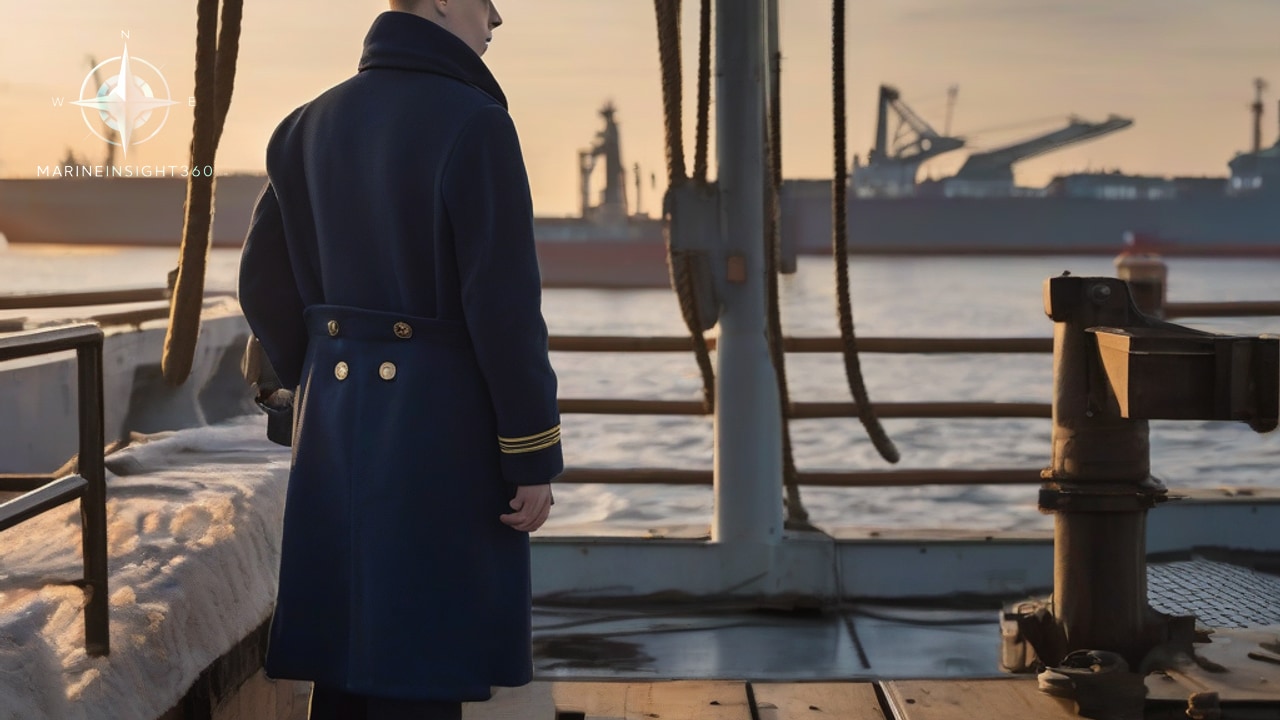
Joining the Polish Merchant Navy means training as a seafarer in Poland and earning Polish certificates that are recognised worldwide under the STCW Convention. Poland has a long maritime tradition, two maritime universities and a large seafaring workforce, although the Polish-flag fleet itself is small and most Polish seafarers work on foreign-flag ships, including those of Polish owners such as Polska Żegluga Morska. To get there, candidates need approved education and training, the right certificates and endorsements issued by the Polish maritime administration, and a valid seafarer's medical certificate.
Get Trained and Set a Course
To join the Polish Merchant Navy, you need training that covers navigation or marine engineering, ship handling, cargo work and safety procedures, depending on the department you want to join. Officers usually train at a maritime university, while ratings can qualify through maritime secondary schools and approved training centres. Practical training is taught by experienced officers and includes time at sea. Before going to sea you also need seafarer documents and a medical examination. Good English is essential, because it is the working language of international shipping and is tested as part of officer training. With that in place, you can build a career in the Polish Merchant Navy and on ships worldwide, working your way up through the ranks of the Polish Merchant Navy system.
Choosing the Correct Maritime Institution
The choice of school decides much of what follows. Poland's two maritime universities, Gdynia Maritime University and the Maritime University of Szczecin (Politechnika Morska w Szczecinie since 2022), run degree courses in navigation and marine engineering that lead to officer certificates.
When comparing schools and training centres, check that the course is approved by the Polish maritime administration and meets STCW requirements, and look at the training facilities, such as simulators and training ships, the experience of the teaching staff and how easily graduates find berths with shipping companies.
Course Choice and Specialization
Your course depends on the career you want. The main seagoing routes are navigation, leading to deck officer and eventually master, and marine engineering, leading to engineer officer and chief engineer, with electro-technical officer courses as a third option. Maritime law, logistics and shipping management are mainly shore-based specialisations. Think about your interests and long-term goals, and make sure the course you choose gives the qualifications needed for the position you are aiming at.
The industry is changing, with new fuels and more automation on board, so it is worth looking at how well a course covers those areas too.
Hands-on Experience Journey
Practical experience is part of every route into the Polish Merchant Navy. It starts on the training course, with simulator work and practical classes under experienced instructors, covering navigation and ship handling or engine operation and maintenance, along with safety procedures. It continues with the sea time that STCW requires before a first officer certificate: cadets serve on board as deck or engine cadets, completing a training record book. Ratings gain experience in entry-level jobs on board.
Trainees should look for every chance to get sea time and practical experience, because shipping companies weigh it heavily when hiring.
Securing a Seafarer Passport
Every seafarer working on board ships needs a seaman's book, whether in the Polish Merchant Navy or elsewhere. In Poland this document is the seaman's book (książeczka żeglarska), issued by the director of a maritime office (urząd morski). It confirms the seafarer's identity and records service on board ships.
To get one, candidates must meet the requirements of the maritime administration, which include completing the relevant training and passing the seafarer's medical examination, and must provide documents such as proof of identity and nationality and evidence of their qualifications.
Applications are made in person at a maritime office. A new style of seaman's book was introduced in 2024, and books are valid for 10 or 5 years depending on the applicant's citizenship. The seaman's book is used when joining and leaving ships abroad and as proof of sea service when applying for higher certificates.
The seaman's book is separate from the certificates themselves. Polish certificates of competency for officers (dyplomy) and certificates of proficiency (świadectwa) are also issued by the directors of the maritime offices, once the candidate has completed the required training and sea service and passed the state examination. Foreign shipowners and port state control officers check these documents together, so all of them must be valid and match each other before a seafarer joins a ship.
STCW Basic Safety Training
The International Convention on Standards of Training, Certification and Watchkeeping for Seafarers (STCW) sets the minimum standards for training, certification and watchkeeping for seafarers worldwide. Under the convention, seafarers must complete approved basic safety training before they are given shipboard duties. It covers personal survival techniques, fire prevention and firefighting, elementary first aid, and personal safety and social responsibilities.
In Poland these courses are run by approved maritime training centres, and the certificates must be revalidated through refresher training every five years.
Job Hunting
Polish seafarers find work through shipping companies, crewing agencies, online job boards and personal contacts. Many crewing agencies in Gdynia and Szczecin recruit Polish officers and ratings for foreign shipowners. Check that an agency is properly registered before signing anything or paying any fee, since the Maritime Labour Convention bars agencies from charging seafarers for finding them work. Tailor your CV to the job, listing your certificates, endorsements and sea service clearly.
Contacts made at college, on training ships and at industry events often lead to jobs. Keep all certificates and endorsements up to date, because companies will not employ a seafarer with an expired document. Persistence and flexibility about ship type and contract length also help, especially when looking for a first berth.
Upcoming Medical Examination
Every seafarer needs a valid medical certificate, issued after an examination by an authorised doctor, to work on board. Before the examination, check the requirements of the maritime authorities and any instructions from the examining doctor, including whether you should stop taking certain medicines beforehand.
Eyesight, including colour vision for deck officers, hearing and general fitness are checked against international standards. Bring identification and any medical records, especially for existing conditions, and answer the doctor's questions fully. A certificate obtained by hiding a condition can be withdrawn later and can put you and your shipmates at risk.
Continuing Professional Development
Continuing professional development (CPD) is the ongoing learning that keeps a seafarer's knowledge and skills up to date. In shipping it is partly compulsory: certificates of competency must be revalidated every five years, and new equipment and regulations often bring new training requirements.
CPD in the maritime sector includes refresher and upgrade courses, workshops and seminars on navigation, safety, environmental protection and maritime law. Seafarers also learn through on-the-job training, mentoring, self-study and online courses, and senior officers take courses for higher certificates, such as chief mate or second engineer and then master or chief engineer.
Conclusion
The route into the Polish Merchant Navy follows a clear sequence. Train at an approved maritime university or school, complete the STCW basic safety courses and the required sea time, and gain your certificates of competency from the Polish maritime administration. Get a seaman's book and a seafarer's medical certificate, then look for a first berth through shipping companies and properly registered crewing agencies.
From there, sea time, further exams and continuous training lead up the ranks, on Polish-owned ships or anywhere in the world fleet.
Recommended Reading

How To Join Merchant Navy?
Merchant shipping is a common term often used to describe the merchant shipping industry. Its basic meaning is a fleet of ships used for commercial…

How To Join The Merchant Navy in South Africa
Working in a Merchant navy in South Africa that transports goods and also people at sea is an honorable profession. As it is an essential part of global…
How To Join the Merchant Navy In the UK
To join the UK Merchant Navy you must be at least 16, pass a medical and fitness check, and train through a cadet program or a maritime college with MCA-approved courses.