
Maersk Joins Japanese Green Methanol Bunkering Network
Maersk Joins Japanese Green Methanol Bunkering Network: ports, trade and shipping-market context for US, UK, Canada, Australia, Singapore and European...
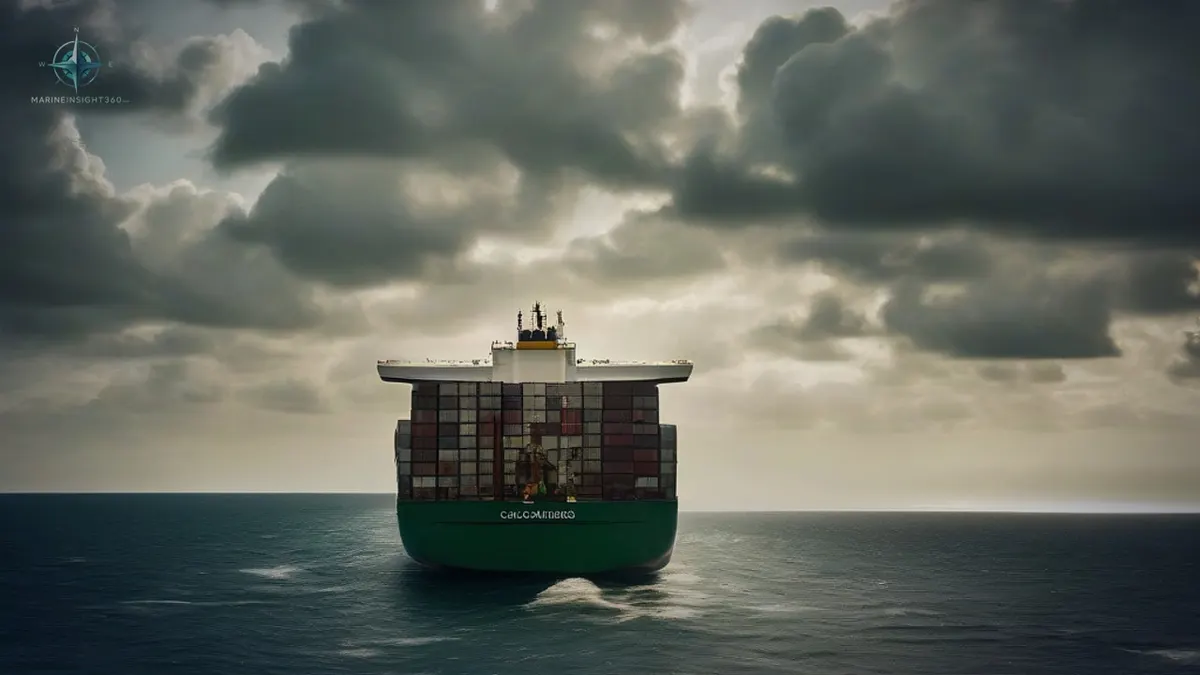
Maersk is one of three parties in a memorandum of understanding with the City of Yokohama and Mitsubishi Gas Chemical to develop green methanol bunkering infrastructure at the Port of Yokohama in Japan.
The City of Yokohama, Mitsubishi Gas Chemical (MGC), and Maersk. They have recently signed a Memorandum of Understanding (MoU) to collaborate on developing green methanol bunkering infrastructure at the Port of Yokohama in Japan. This agreement aims to support Maersk's increasingly expanding fleet of green methanol-powered container vessels. Which have a capacity of up to 16,000 TEU. APM Terminal's (APMT) Minami-Honmoku container terminal is located at this port.
The shipping company will install dual-fuel engines that can run on green methanol in 25 container ships per the agreement.
The effective execution of this project greatly depends on the establishment of port bunkering infrastructure for methanol all around the world.
The partnership will primarily examine the project's practicality and develop the necessary port facilities required for green methanol bunkering at the Port of Yokohama.
"The Mayor of Yokohama, Takeharu Yamanaka, stated that Yokohama Port has held the record for the highest number of foreign vessel calls in Japan for almost 60 years. This highlights the port's crucial role in invessels'e transportation, particularly" in providing fuel supply and bunkering services for vessels.
"In the future, the three parties involved will work together to promote the use of green methanol, "stated the memorandum. Yokohama has set a Japan to lead the development of green shipping corridors in Japan. It plans to invite more partners who share the same vision to join the initiative," said Yamanaka.
Yokohama Leads Japan's Green Shipping Push with Methanol Bunkering Project
Masashi Fujii, President of Mitsubishi Chemical. Added: “We believe that establishing methanol as a ship fuel supply base in Japan is an important initiative that will contribute to international maritime transport and carbon "neutrality of Japan.”
The Minami-Honmoku container terminal in Japan is famous for offering the deepest water berth in the country. The terminal has a total length of 1,600 meters and a draft of 18 meters, as reported by APMT. This terminal can handle vessels that carry over 14,000 TEU, with capabilities that can go up to 24,000 TEU.
Equipped with Ship-to-Shore (STS) cranes with a maximum outreach of 24 rows. The terminal covers an area of 854,000 square meters. It has an annual handling capacity of approximately 2.4 million TEU.
The terminal can increase handling capacity through expansion onto"neighboring land.
Sakura Kuma is the managing director of APMT Japan. He expressed her confidence that decarbonization will naturally become an integral aspect of future competitiveness. She furthermore she is thrilled to assist Maersk. Also, the City of"Yokohama is on the Japan'sethanol bunkering initiative. Which is aimed at lightening the path toward achieving net zero by 2040. This initiative is an important step toward reducing carbon emissions and promoting environmentally responsible practices in the shipping industry.
Career planning context
For cadets, ratings and officers, green methanol bunkering should be read alongside current company requirements, flag-state rules, medical fitness standards and training-provider instructions. The pathway can change by country, rank, vessel type and previous sea service, so candidates should verify documents before paying fees or accepting a joining offer.
Recommended Reading
Bunkering: How Ships Refuel Safely, Step by Step
Bunkering is how a ship takes on fuel. The full procedure in three stages: preparation, transfer and completion, plus the failures that cause spills and fires.
Nigeria joins Saudi-led Red Sea defence alliance
Nigeria has joined a 14‑nation naval alliance led by Saudi Arabia to protect key shipping lanes in the Red Sea. Find out what it means for vessels, crews and po
How To Build A Green Supply Chain?
Green supply chains , also referred to as sustainable supply chains, have garnered increasing attention in recent years, with most large organizations…