
List Of Warehouse Material Handling Equipment (MHE) Used for Cargo
In a warehouse, goods are handled manually or also with automatic machines.
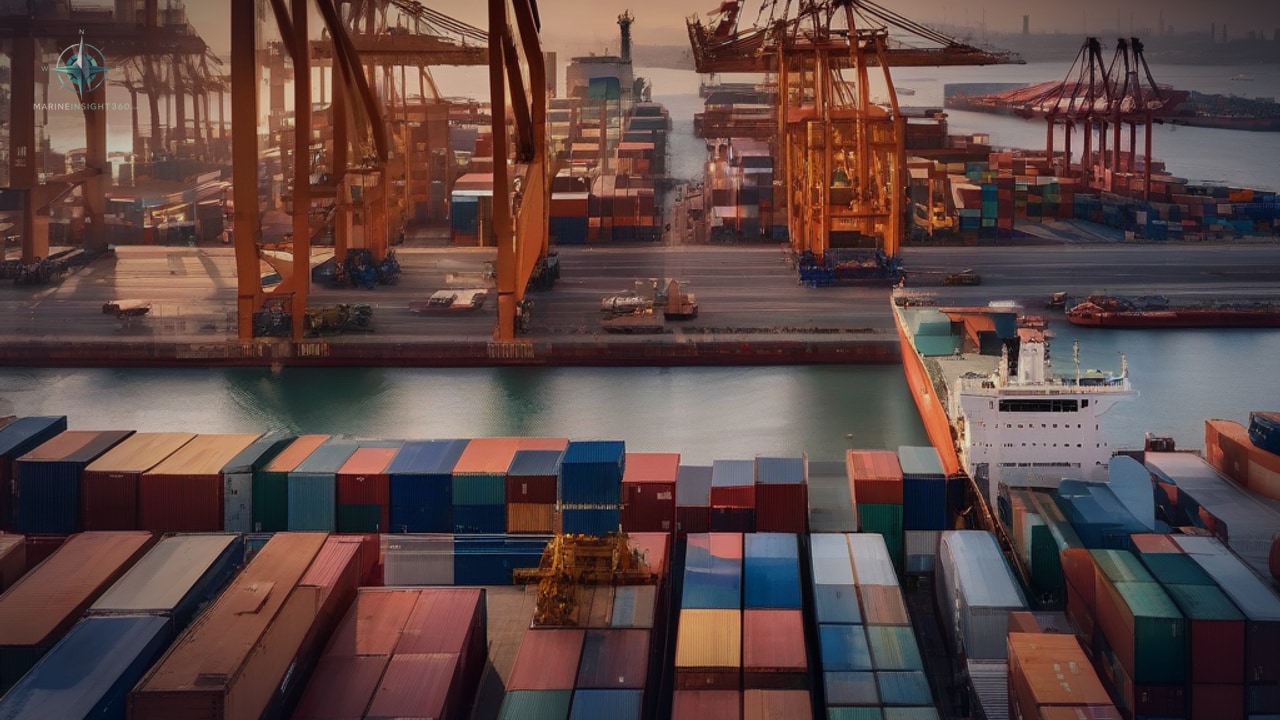
In a warehouse, goods are moved either by hand or by machine. MHE in warehouse work covers the wide range of tools and machines used to lift and move heavy, and sometimes oversized, loads. A modern warehouse uses this equipment every day for receiving, storing, picking, dispatching and moving goods around the building.
Warehouse material handling equipment, or MHE, cuts down on manual labour and lets the work be done more safely and quickly. Different equipment is used for different cargo, for example bulk goods or individual cartons. Bulk materials can be solid, liquid or gas.
Material Handling
Material handling is the work of moving goods from one point to another, whether inside a warehouse or factory or between distant locations. Material handling equipment is used at every stage of moving and storing goods, from raw materials arriving at a factory through the production process.
MHE in warehouse operations then handles the finished goods through storage, transport and distribution, so it is needed at every physical stage of the supply chain. Using the right equipment throughout keeps handling costs down and the standard of service up.
The right MHE in warehouse work also prevents damage to goods and protects the people handling them. It keeps goods flowing steadily and gets jobs done on time by cutting out unnecessary movements and making the necessary ones shorter.
Types of Material Handling Equipment
The equipment used depends on the goods being handled. Conveyors, for example, come in belt and roller types, powered or moved by gravity.
Typical material handling equipment includes:
- Manual pallet trucks
- Battery-powered, operator-controlled pallet trucks
- Forklifts and reach trucks
- Cranes
- Elevators
- Conveyor systems
- Robotics
- Protective covers and safety equipment
Manual Pallet Trucks
A manual pallet truck has two sturdy forks on wheels and a steering handle. The operator slides the forks under a pallet and pumps the handle to raise it hydraulically just clear of the floor, then pulls it to where it is needed and lowers it. Manual pallet trucks are used to move pallets short distances inside the warehouse.
Battery Powered Pallet Trucks
Battery‑powered pallet trucks use an electric motor, powered by a battery on the truck, to drive and to raise and lower the pallet. Some have a small platform for the operator to stand on. Both manual and powered pallet trucks typically carry loads of up to about 2,000 to 3,000 kilograms.
Forklifts and reach trucks
A forklift truck is a powered industrial vehicle used to lift, move and stack loads in a warehouse or over short distances. Most warehouse forklifts lift one to three tonnes, but heavy forklifts can lift 50,000 kilograms or more, and the largest are used to move cargo containers in ports and terminals.
Reach trucks are narrower than counterbalance forklifts and can work in narrow aisles, lifting loads high into racking. Their forks reach forward on a pantograph or moving mast, and double‑deep reach trucks can place and retrieve pallets two deep in the rack.
Cranes
The two types of crane most often used in warehouses are overhead cranes and jib cranes.
Bridge Cranes
Overhead or bridge cranes are used to lift and move large, heavy items in manufacturing and assembly. A hoist runs across a bridge, and the bridge travels on two rails along the length of the building, so the crane can reach any point in the area underneath it.
Jib Crane
A jib crane has a hoist that runs along a horizontal arm, the jib, mounted on a wall or a strong vertical column. It can only reach the area the jib swings over, so it is used for a single workstation or loading point.
Lifts
Goods lifts are platforms raised and lowered by hand or by motor. They move goods between floor levels, where the goods are loaded onto a pallet truck to be moved on.
Conveyor System
Conveyors move goods on a belt of rubber or metal, or on rollers. Most move goods horizontally between fixed points in a warehouse or assembly plant, but some carry goods up or down slopes, either powered or using gravity. Belt conveyors and roller conveyors are the most common types in warehouses.
Robotics
Robots are now common in larger warehouses, from robotic picking arms to automated guided vehicles that carry shelves and pallets. They are most useful for repetitive work and for work in dangerous conditions, and they can be programmed to do a job precisely and safely, for example handling hazardous chemicals or biohazards.
Protective Covers and Safety Equipment
Some goods have to be protected from rain and sun, especially in transit. The simplest way is to cover them, usually with heavy‑duty tarpaulins made of canvas, nylon or plastic.
Personal Protective Equipment when Handling Goods
MHE in warehouse work should only be operated by trained people. Operators should wear suitable Personal Protective Equipment (PPE), such as hard hats, safety shoes, overalls, high‑visibility vests, masks, goggles and gloves, to protect them from falling objects, heat, electricity, chemicals and dust.
Wearing the right PPE and following safe working procedures are the main ways to prevent accidents. Packaging is increasingly standardised, and handling equipment should be too, as far as possible. Racks, shelves and pallets come in standard sizes around the world.
The pallet is the most common way to store and move goods as a single unit. Goods can be stacked on pallets neatly and safely, so buyers and sellers in different parts of the world can handle each other's cargo with standard MHE and warehouse equipment.
Recommended Reading
Consignee: Who Actually Receives the Cargo, and Why the Name on the Bill Matters
The consignee is the party entitled to receive a shipment. What the role means on a bill of lading, how it differs from shipper and notify party, and the risks.
Important Points for Committing Cargo Quantities in Tanker Ships
Committing cargo quantities on tanker ships is a critical commercial and operational decision.
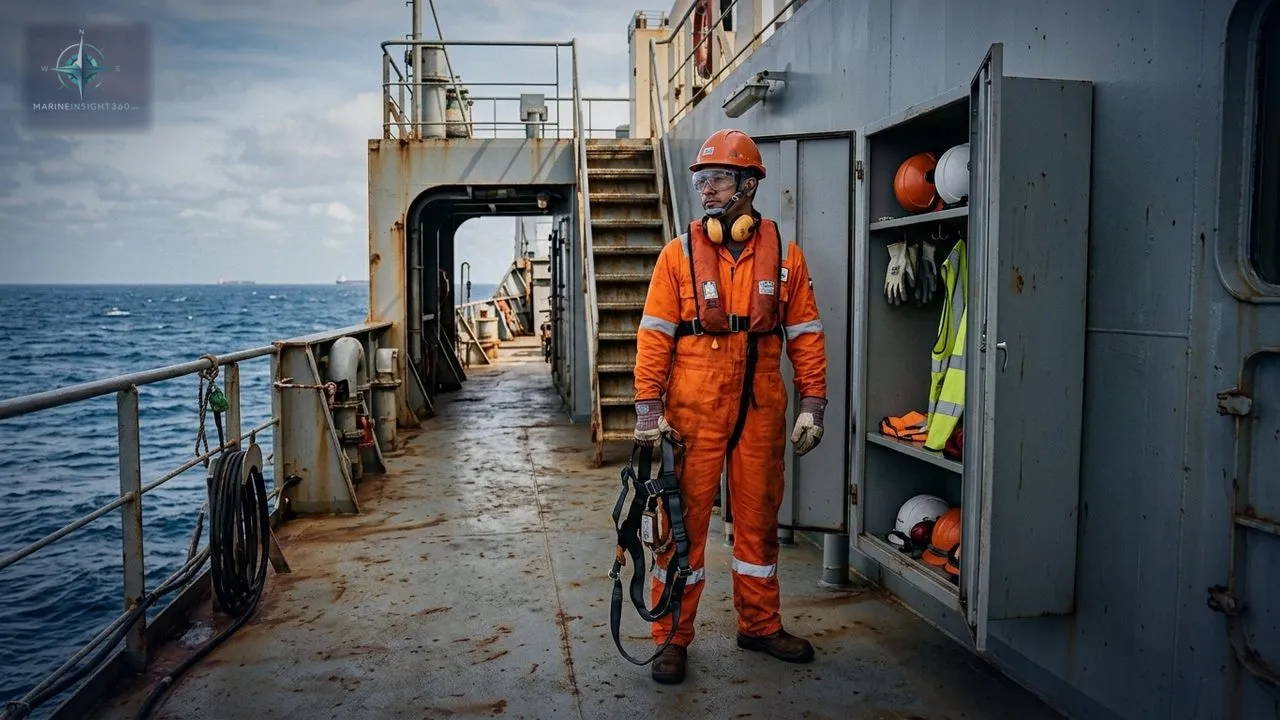
10 Essential Personal Protective Equipment (PPE) on Board Ships
For any professional seafarer working on board, personal safety and the safety of their crew are paramount.