
What Points Are To Be Considered When Handling Mooring Ropes?
There are various types of mooring rope meaning on ships, and they have excellent elasticity.
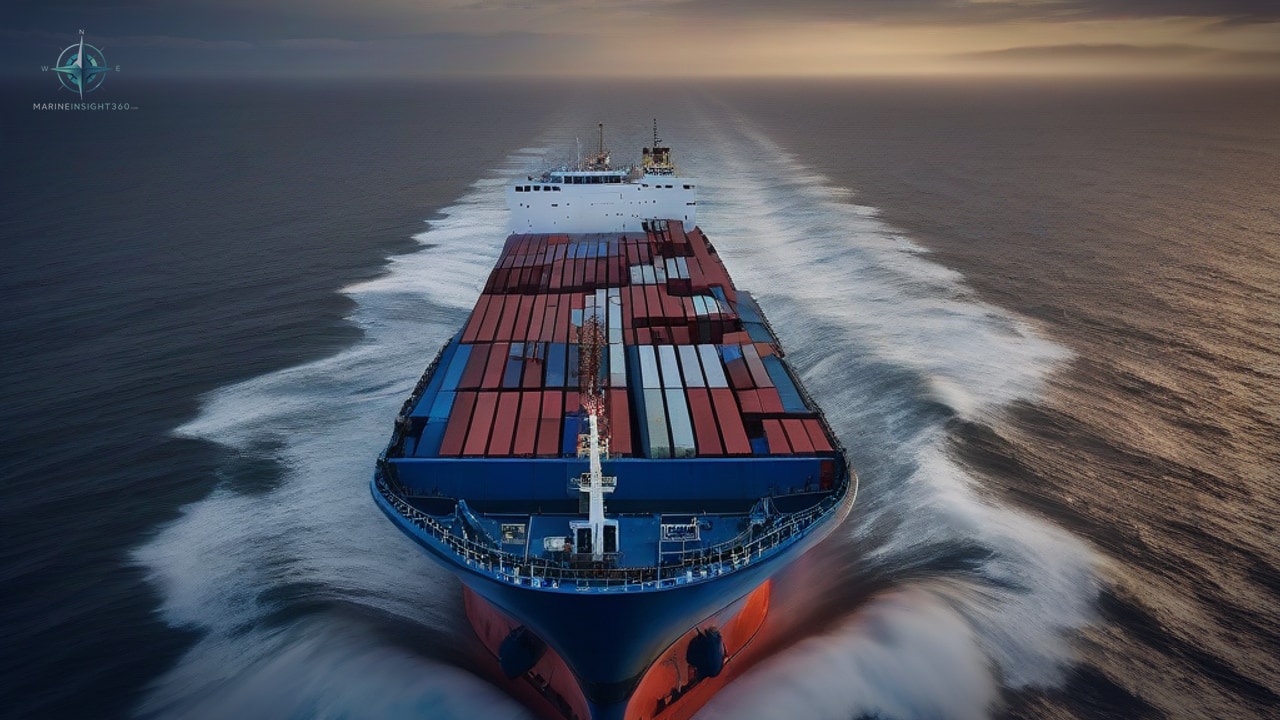
Ships carry several types of mooring rope. Most are synthetic fibre ropes made of nylon, polyester, polypropylene or high modulus polyethylene (HMPE), and some ships still use steel wire ropes. Fibre ropes stretch under load, some far more than others, while wire hardly stretches at all. Sensible precautions and good seamanship extend the life of these ropes and protect them from chafing, cutting and internal wear.
The Following Are Important Points To Consider:
Plastic Ropes Must Be Protected From Direct Sunlight.
On long voyages it is best to stow synthetic mooring ropes below deck. If they are kept on deck, cover them with a tarpaulin or keep them on a rack to protect them from sunlight and salt water. Ultraviolet light weakens synthetic fibres over time.
A Very Common Cause Of Kinks
A common cause of damage in wire rope is uneven spooling on the drum, either too tight or too loose, which lets the wire bed in between the turns below it and crush. Sharp bends and pinching must also be avoided with wire mooring ropes.
When Lifting Or Loosening The Wire
When heaving in or paying out wire, make sure it spools onto the drum evenly and under steady tension. If the turns are loose or too tight, the wire can bite down between them, which damages the wire and can cause twisting. A fairlead or guide roller helps the wire lead onto the drum without unnecessary rubbing.
Wire Ropes
Wire ropes should be lubricated regularly with the wire lubricant recommended by the manufacturer, to keep out water and prevent corrosion. A pressure lubricator, which forces lubricant into the rope, is more effective than greasing by hand, which coats only the outer strands and may not reach the core.
When Opening Or Unwinding A New Roll Of Wire
Follow the manufacturer's instructions when unreeling a new coil of wire. Mount the reel on a spindle or turntable so it can turn freely, and never pull wire off a stationary coil, which puts turns and kinks into it. When wire passes from the reel to another drum, such as a winch drum, lead it top to top or bottom to bottom so that it is not bent in the opposite direction.
No Visible Breaks
Inspect wire mooring ropes regularly for broken wires, corrosion, kinks and crushing, and renew them when they reach the discard criteria in the ship's mooring line management plan or the manufacturer's guidance. Breaks concentrated in a short length or in one strand are a sign the rope should be retired. Wire ropes with more, thinner wires per strand are more flexible, but they are less resistant to abrasion and crushing.
Synthetic End
Wire and HMPE mooring lines are usually fitted with a synthetic tail at the outboard end. The tail adds elasticity, absorbing shock loads from the ship's movement so that the line and its fittings are not overloaded. The tail is connected with a Tonsberg or Mandal shackle, which should be assembled according to the manufacturer's instructions so that it transmits the load properly.
Avoid Impacting
Avoid chafing synthetic ropes, because friction wears and heats them. Some fibres, polypropylene in particular, have low melting points, and the heat from surging a rope on a drum or bitts can fuse the fibres and damage the rope permanently. Stow ropes dry and in a well-ventilated space.
Securing
When a synthetic rope is made fast on bitts, the upper turns should be secured with a light lashing so they cannot jump off. Keep synthetic ropes free of grease, oil and paint, which make them slippery and much more dangerous to handle.
Prevention
A mooring line under tension stores energy. If it parts, the broken ends snap back with great force, and synthetic ropes, which stretch more than wire, store the most energy and snap back hardest. Synthetic ropes, especially HMPE, often give little or no audible warning before they part, so the risk of snap-back must always be considered. Older guidance described the danger zone as a 10 degree cone around the line from any point where it could break.
Current guidance from OCIMF and the UK Code of Safe Working Practice warns that painted snap-back zones can give a false sense of security, and the whole mooring deck should be treated as a potential snap-back area.
Excessive Heat Can Damage Synthetic Ropes.
Do not stow polypropylene and polyethylene ropes near steam pipes or hot bulkheads, or in direct sunlight. Some synthetic ropes are damaged by chemicals such as acids, alkalis, paints and thinners. If a rope gets oily, clean it with fresh water and a mild detergent or another cleaning agent approved by the manufacturer.
Cutting And Abrasion
Synthetic lines do not resist cutting and abrasion well, so keep them away from conditions that could damage them. Avoid contact with sharp edges when heaving.
Surface
Fairleads and chocks that have been used with wire ropes are often grooved or roughened, and they should be smoothed before synthetic lines are used on them. Dirt, sand and rust particles stick to synthetic ropes and work their way inside, causing internal wear. Brush and clean ropes before stowing them.
No Twists
Remove twists from a rope by taking the load off it first. The lay of the rope matters when removing kinks: most ropes are right-hand laid and should be coiled clockwise. A new coil should be unreeled from a turntable or spindle so no twist is put into it. To even out wear, a line on a winch drum can be turned end for end from time to time.
Keep records of the wear and use of wire ropes, synthetic ropes and tails to help plan maintenance and renewal.
Based On This, You Should Consider The Following Points:
- When ropes and wires are delivered on board, check that each comes with a certificate of approval or conformity.
- The manufacturer's certificate or test report should include the date, minimum breaking load, length, diameter, number of strands, material and construction.
- Every rope should be marked or tagged so it can be identified and matched to its certificate.
- Ropes, tails and wires must be renewed after a set period of service, when they become worn or damaged, or as required by the company's procedures, with records kept of how long each has been in use.
- Replace any rope found unfit for service.
- To even out wear, a wire can be turned end for end about halfway through its expected service life.
- Records of inspections, maintenance, renewals and end-for-ending must be kept on board as a history of each rope.
Recommended Reading
Important Points for Committing Cargo Quantities in Tanker Ships
Committing cargo quantities on tanker ships is a critical commercial and operational decision.
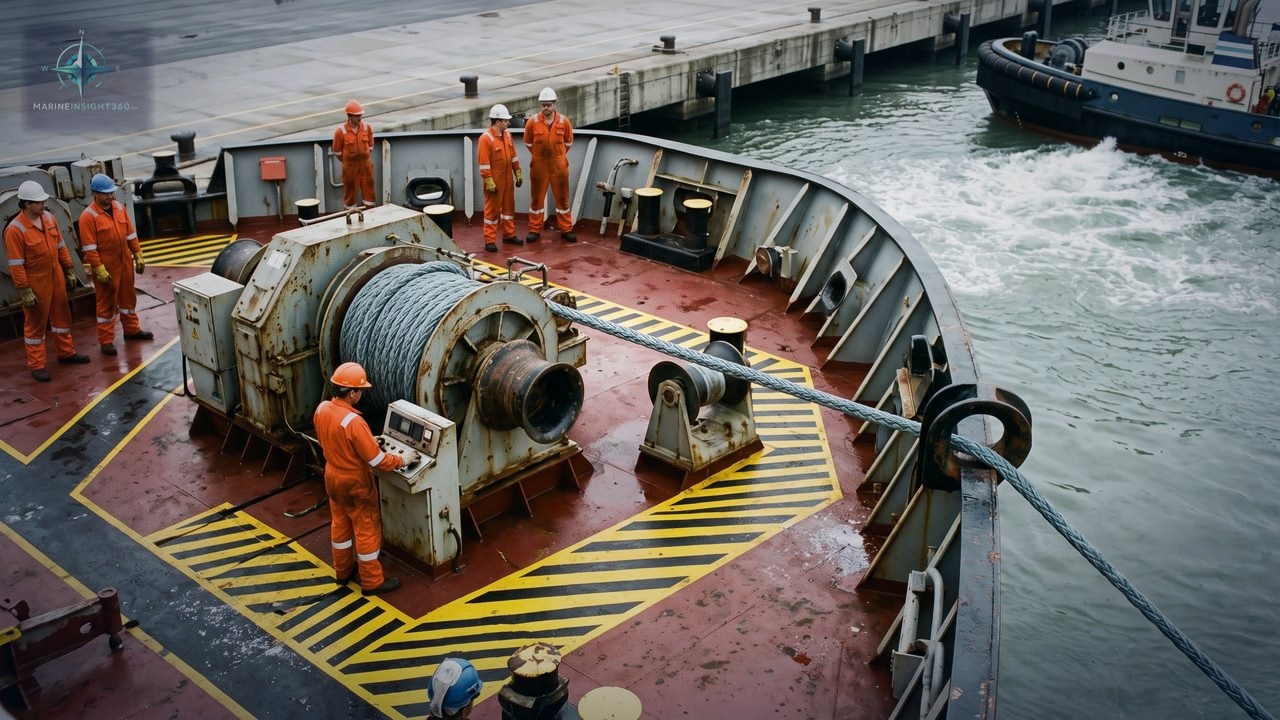
Mooring a Ship: How Vessels Are Secured, and Why It's So Dangerous
Mooring is how a ship is secured to a berth, buoy or anchorage. The lines, the winches, the snap-back danger and the practices that keep deck crews alive.
Mooring Buoys: A Comprehensive Guide
In the vast, ever-shifting expanse of the ocean, keeping a vessel exactly where you want it is both an art and a science.