
Oil Water Separator on Ships: How It Works
How a ship's oil water separator cleans bilge water to the MARPOL 15 ppm limit: the discharge rules, the stages of separation and what stops it working.
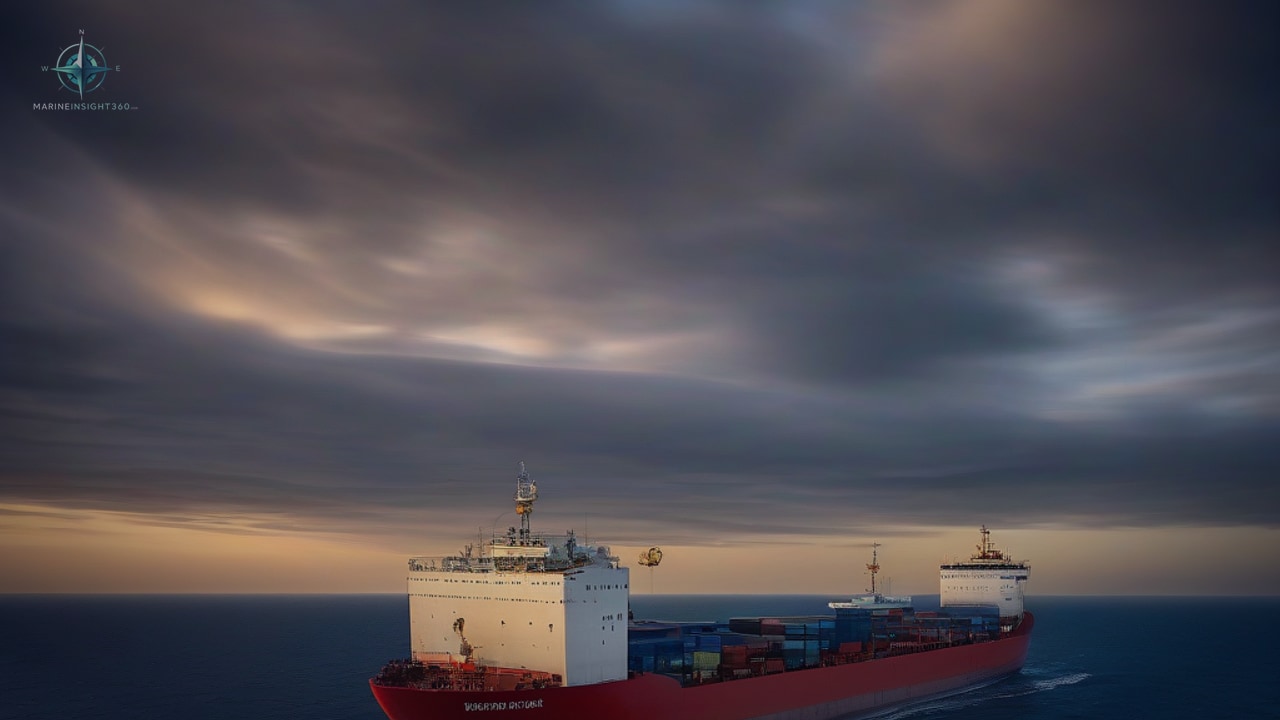
A ship's oil water separator (OWS) cleans the oily water that collects in the engine room bilges so that it can legally be pumped overboard. Leaks from machinery, pumps and pipework, along with cleaning water and condensation, all end up in the bilge mixed with oil. The separator removes the oil, and a monitor checks that the water going over the side contains no more than 15 parts per million (ppm) of oil, the limit set by MARPOL Annex I.
The rules
- Ships of 400 gross tonnage and above must carry oil filtering equipment that can deliver an effluent with no more than 15 ppm of oil.
- Ships of 10,000 gross tonnage and above must also have an alarm that sounds and an automatic device that stops the discharge if the oil content exceeds 15 ppm. Ships of any size from 400 gross tonnage that discharge processed bilge water inside a MARPOL special area need the same alarm and automatic stopping arrangement.
- Oily bilge water may be discharged only while the ship is en route, through the approved equipment, with an oil content of no more than 15 ppm without dilution. On oil tankers the mixture must not come from the cargo pump-room bilges or be mixed with cargo oil residues. Any discharge of oil or oily mixtures is prohibited in the Antarctic area and in Arctic waters.
- Equipment installed since 1 January 2005 is type-approved under IMO resolution MEPC.107(49); older ships may carry equipment approved to the earlier standards, MEPC.60(33) or A.393(X). Under MEPC.107(49) the bilge alarm records the date, time, alarm status and the separator's operating status, and keeps those records for at least 18 months.
- Every discharge, and the transfer of oily residues ashore or to the sludge tank, is entered in the Oil Record Book Part I.
How the separator works
Oil and water separate because oil is lighter than water. How fast an oil droplet rises depends mostly on its size: by Stokes' law, the rising speed increases with the square of the droplet's diameter and with the difference in density between oil and water, and falls as the water's viscosity rises.
Larger droplets rise far faster than small ones, and very fine droplets barely rise at all; with heavy fuel oil, which is only slightly lighter than water, separation is slow. A separator is built to give droplets time to rise and to make small droplets join into larger ones.
- Oily water is drawn from the bilge holding tank by the separator's feed pump. The pump is usually a positive displacement type, such as a screw or progressive cavity pump, chosen because it does not churn the oil into fine droplets the way a centrifugal pump would.
- In the first stage the water flows slowly through a chamber, often past inclined plates or a coalescing pack. Oil droplets rise, meet and merge, and collect at the top of the chamber. When an oil level probe detects enough oil, a valve opens and the separated oil is discharged to the sludge or waste oil tank. Some units heat the mixture, which lowers the water's viscosity and widens the density difference with heavy fuel oil, speeding up separation.
- In the second stage the water passes through coalescing filters, absorption cartridges or membranes that catch the finer droplets the first stage could not remove.
- A 15 ppm bilge alarm continuously samples the clean water outlet, usually by measuring how the sample scatters or absorbs light. On ships required to have automatic stopping, a reading above 15 ppm makes a three-way valve divert the water back to the bilge holding tank instead of overboard.
What stops it working
- Emulsions caused by detergents, some chemical cleaners and high-shear pumping, which break oil into droplets so small that they will not separate. Using bilge-friendly cleaning agents and keeping detergents out of the bilge makes a large difference.
- Solids and sludge, which clog the coalescer and filters.
- Heavy oil or a large slug of oil arriving at once, which can overwhelm the first stage. A settling period in the bilge holding tank, with the oil drawn off the top first, helps.
- A dirty sample cell in the bilge alarm, which gives false readings. The cell is cleaned and the alarm tested as part of routine maintenance.
Enforcement
Illegal discharge of oily water is regularly prosecuted. Bypassing the separator with a so-called "magic pipe", tampering with the bilge alarm or falsifying the Oil Record Book has led to criminal convictions and large fines in several countries, and to prison sentences, mostly in the United States. Port state control inspectors check the equipment, test the bilge alarm and compare the Oil Record Book with tank soundings.
For other shipboard treatment plant, see the guides to the sewage treatment plant and ballast water treatment.
Recommended Reading

Bioluminescent Bays: Where the Water Glows and Why It Happens
What makes a bioluminescent bay glow, where the world's brightest bays are, the best conditions for seeing them, and how fragile these lagoons really are.
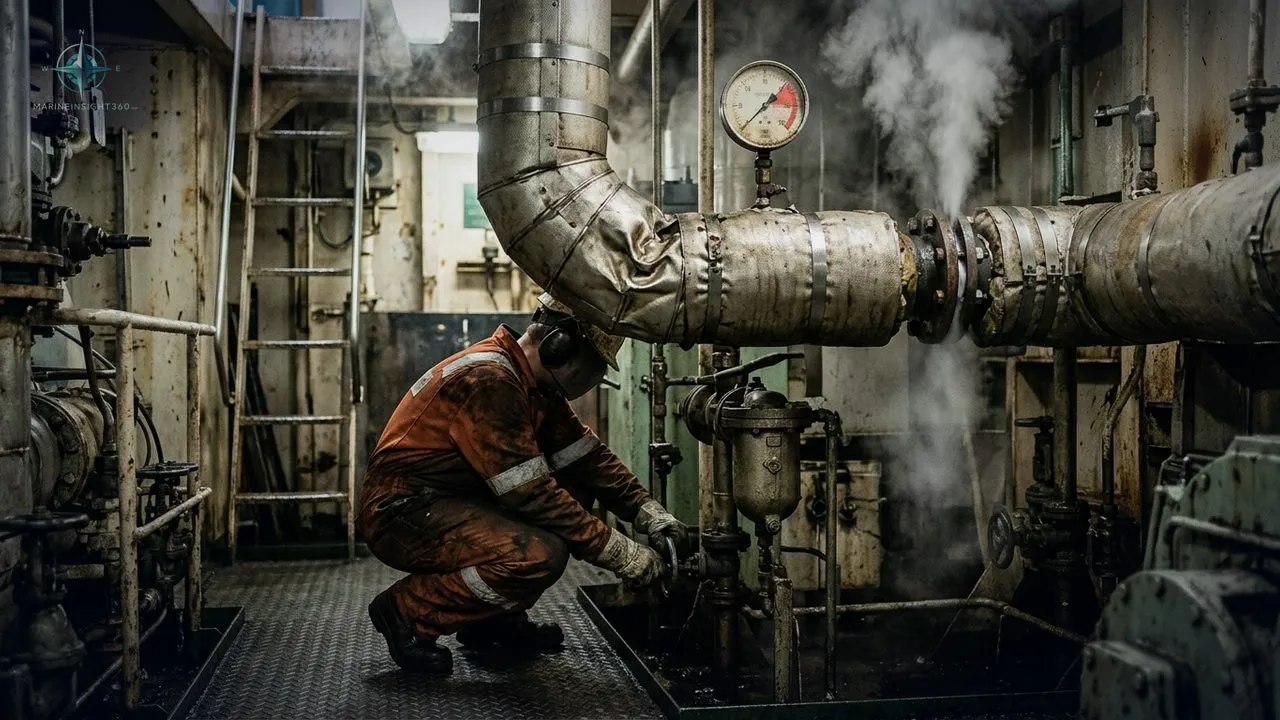
What Is Water Hammer? Causes and Prevention on Ships
Why water hammer happens in ship steam and water lines, the warning signs, and the drain-and-warm procedure and design measures that prevent it.
Water Sprinkler and Water Mist Fire Extinguishing Systems
Water Sprinkler and Water Mist Fire Extinguishing Systems: safety, training and compliance context for US, UK, Canada, Australia, Singapore and...