
What are the 10 Major Ports in Brazil?
Brazil is the fifth largest country in the world, with a coastline of about 7,500 kilometers.
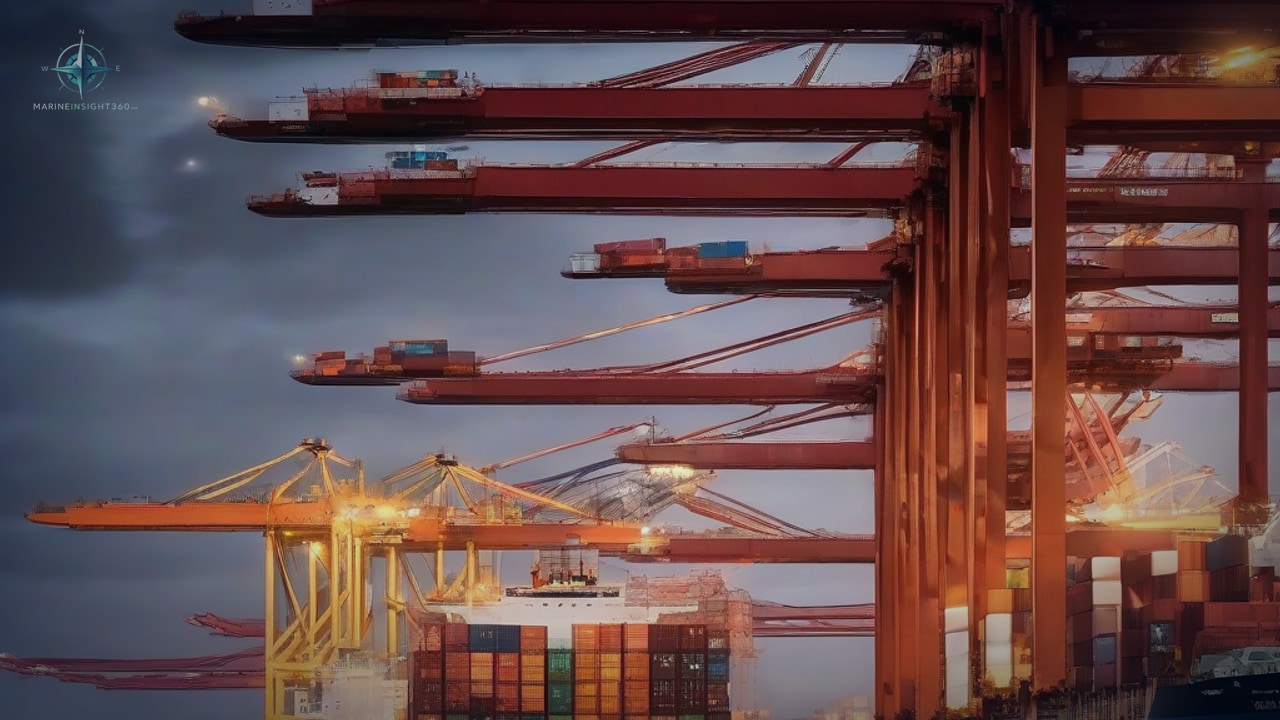
Brazil is the fifth largest country in the world, with a coastline of about 7,500 kilometres. Officially the Federative Republic of Brazil, it is the largest country in South America and in Latin America, with a population of more than 200 million. It covers almost half of the continent and borders every South American country except Ecuador and Chile. Brazil has about 35 public ports and well over a hundred private ports and terminals.
The largest and most important public port in Brazil is the Port of Santos (Porto de Santos) in the state of São Paulo. Ports in Brazil are regulated by ANTAQ, the National Waterway Transport Agency, under the federal Ministry of Ports and Airports.
10 Major Ports in Brazil
1. Port of Santos - SP (Porto de Santos)
UN/LOCODE: BR-SSZ
Total cargo (2017): about 130 million tons
The Port of Santos, in the city of Santos, São Paulo, is the busiest container port in Latin America and the largest port in Brazil, with some of the most modern terminals in the country.
Port of Santos
Santos handles more than a quarter of Brazil's foreign trade and is the main gateway for the industrial region around São Paulo. The port covers about 770 hectares along both banks of the Santos estuary. Its main exports are sugar, soybeans and coffee, and it handles imports and exports to every part of the world. In 2010 it moved about 96 million tons of cargo.
Porto de Santos has terminals for dry and liquid bulk, containers and general cargo. The Anchieta and Imigrantes highways connect it to São Paulo, and the rail operators Rumo and MRS run freight trains into the port.
2. Port of Santarém - PA Santarém, Pará
UN/LOCODE: BR-STM
Total cargo tonnage (2019): 12 million tons
The Port of Santarém, in the city of Santarém in the state of Pará, is one of Brazil's main river ports. It lies at Ponta da Caieira on the south bank of the Tapajós River, close to where the Tapajós joins the Amazon.
Port of Santarém
Santarém is about 870 km up the Amazon from Belém, and ocean‑going ships can reach it. The military government built the port under the National Integration Plan (PIN) of the early 1970s, and it opened in February 1974, replacing the town's old municipal wharves for cargo and passengers. It handles general cargo, grain and other dry bulk, fertilisers, fuel and liquefied petroleum gas, as well as river passengers and some cruise ships.
Grain arrives by river barge from two directions: about 80% from Porto Velho in Rondônia and 20% from Miritituba in Pará. It is then loaded onto ships for export. The main exports are grain, mainly soybeans and corn, and timber.
3. Port of Salvador - BA Salvador, Bahia
UN/LOCODE: BR-SSA
Total cargo tonnage: Approximately 5 million tons
The Port of Salvador is in the city of Salvador, capital of the state of Bahia, on the eastern side of the entrance to the Bay of All Saints (Baía de Todos os Santos). It handles cargo for Salvador and the rest of the state.
Port of Salvador
The port has about a dozen berths for general cargo, including a container terminal and a RoRo berth. Ships have used the harbour since the city was founded in the 16th century, but the modern port grew with the city in the 1940s, and the industrial centres and petrochemical complex built near Salvador later made a modern port essential.
4. Port of Vitoria - ES (Porto de Vitória)
UN/LOCODE: BR-VIT
The Porto de Vitória is in the city of Vitória, capital of the state of Espírito Santo. It lies on both sides of the channel of Vitória Bay, at the mouth of the Santa Maria River.
Port of Vitoria
Vitória is one of the harder Brazilian ports for large ships to reach. The approach channel is narrow, with rock and steep hills along it, and size and traffic restrictions limit the ships that can use it. The port handles general cargo, steel, containers and supply work for the offshore oil rigs, as well as some cruise calls.
Nearby, the mining company Vale (formerly Companhia Vale do Rio Doce) runs its own Port of Tubarão, one of the largest iron ore export terminals in the world. In 2022 the port authority, Codesa, became the first federal port authority in Brazil to be privatised. The region's ports handle steel products, grain, coffee, marble and granite, pig iron and other bulk materials.
5. Port of Paranaguá - PR (Porto de Paranaguá)
UN/LOCODE: BR-PNG
Total cargo tonnage (2020): 57 million tons
The Port of Paranaguá, in the city of Paranaguá in the state of Paraná, is one of the largest bulk agricultural ports in Latin America. Among Brazil's ports it is one of the leaders in grain exports and one of the busiest by tonnage and by containers.
Port of Paranaguá
Paranaguá is best known for exporting soybeans and soybean meal. Other exports include corn, vegetable oil, sugar, paper and frozen meat and chicken. The present port, the Port of Dom Pedro II, opened in 1935, and its growth has often lagged behind the volume of grain waiting to be shipped, with long queues of trucks and ships at harvest time.
6. Port of Rio de Janeiro - RJ (Porto de Rio de Janeiro)
UN/LOCODE: BR-RIO
TEU traffic (2016): 290 thousand units
The Port of Rio de Janeiro is in Brazil's second largest city, on the western shore of Guanabara Bay.
Port of Rio de Janeiro
Rio handles containers, steel products, pig iron, vehicles and parts, paper rolls, petrochemicals and general cargo, as well as being Brazil's busiest cruise port. The port was planned in the 1870s but did not open until 1910. Its quays run for about 6.7 kilometres, with around 30 berths, warehouses and open storage yards. The port authority, formerly Companhia Docas do Rio de Janeiro and now PortosRio, also manages the nearby Port of Itaguaí.
7. Port of Rio Grande - RS Rio Grande, Rio Grande do Sul
UN/LOCODE: BR-RIG
Total cargo tonnage (2015-2016): about 38 million tons
The Port of Rio Grande, in the southernmost state, Rio Grande do Sul, is one of the most important ports in Brazil and the main port of the far south. It lies on the right bank of the Canal do Norte, the channel that joins the Lagoa dos Patos to the Atlantic.
Port of Rio Grande
A port was planned when the city of Rio Grande was founded in 1737, but large‑scale works only began in the late 19th century and the port has been expanded many times since. Today it is one of the best equipped ports in the country and less congested than many others. Its main exports are soybeans, soybean meal, wheat, rice, petrochemicals and cellulose. Its main imports are fertilisers and other chemicals and minerals, crude oil, barley and wheat.
8. Ponta da Madeira - MA Sao Luis, Maranhão
UN/LOCODE: BR-PMA
Total cargo tonnage (2020): about 190 million tons
The Ponta da Madeira terminal, in São Luís in the state of Maranhão, is one of the largest iron ore loading ports in the world. This private terminal is one of the few in Brazil that can load the 400,000 dwt Valemax ore carriers.
Ponta da Madeira
It lies right next to the public Port of Itaqui. The terminal is owned by the Brazilian mining company Vale and is the end of the Carajás Railway (Estrada de Ferro Carajás), which brings ore nearly 900 km from the Carajás mines. By tonnage, it is the busiest port in Brazil.
9. Port of Itaqui - Maranhão (Porto do Itaqui)
UN/LOCODE: BR-IQI
The Port of Itaqui is often confused with the town of Itaqui in Rio Grande do Sul, but the port is in São Luís, in the state of Maranhão, next to the private Ponta da Madeira terminal.
Port of Itaqui
Construction began in 1966 and the port opened in 1974. It was first run by the federal Companhia Docas do Maranhão (Codomar), and management was later delegated to the Maranhão state government, which runs it through the state port company EMAP. Itaqui handles fuel, grain (especially soybeans and corn), fertilisers, aluminium, copper concentrate, pig iron and general cargo.
10. Port of Pecem - CE São Gonçalo do Amarante, Ceara
UN/LOCODE: BR-PEC
The port is in the municipality of São Gonçalo do Amarante and is one of the two main ports of the state of Ceará, with Fortaleza. It was expanded in phases under the Brazilian government's Growth Acceleration Programme (PAC 2).
Port of Pecem
Pecém, in the northeast of Brazil, has grown quickly since it opened in 2002. It lies about 60 km from Fortaleza, the state capital. It is a deep‑water port with offshore piers connected to land by a long bridge, and it forms part of an industrial complex that includes a steel mill. It handles containers, steel, fuel and general cargo, and exports fruit, cashew nuts and shrimp.
Recommended Reading
Which Are The Major UAE Ports?
Bordered by Oman and Saudi Arabia, the UAE has become a beacon of development and trade on the Arabian Peninsula. It shares seas with Qatar to the west…
What are the 5 major ports of Bahrain?
Bahrain is an island nation near the western coastline of the Arabian Gulf. It comprises 50 natural and 33 artificial islands. Bahrain is the third…
What Are The 10 Major Ports in Mexico?
Mexico is located in the southern part of the North American continent. And also, is the world's 10th most populous country. It is a developing country, classified as an upper-middle-income country by the World Bank.