
Safety Features on LNG-Powered Ships
Safety Features on LNG-Powered Ships: safety, training and compliance context for US, UK, Canada, Australia, Singapore and European maritime readers.
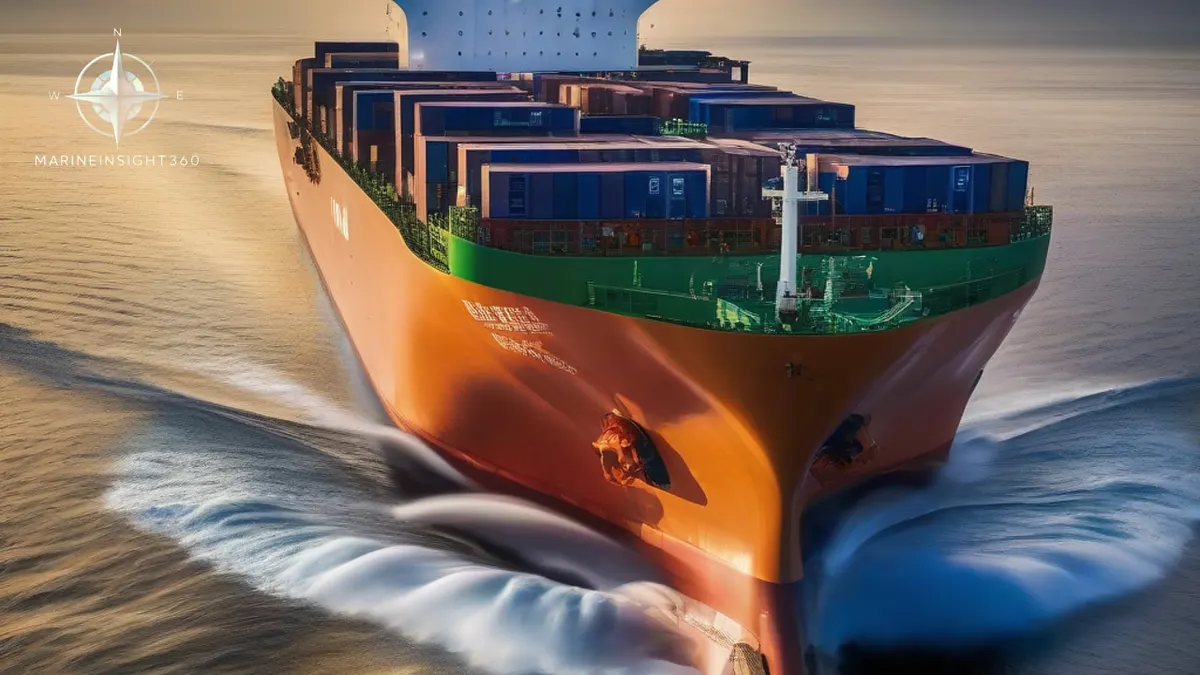
Safety features on LNG-powered ships are built around double-walled cryogenic tanks, double-wall fuel piping, gas detection sensors, emergency shutdown systems and IGF Code compliance backed by certified crew training.
LNG Ship Safety Features for Seafarers
LNG-powered ships use advanced safety systems to manage cryogenic fuel risks. Key features include double-walled tanks, gas detection sensors, and automated emergency shutdowns. Those systems are there to prevent leaks and fires.
What Most Seafarers Miss
Equipment is critical, but it is not the whole picture. LNG safety relies equally on crew training and on strict compliance with the IGF Code. Automated systems can fail without trained personnel to monitor and respond.
Common Mistakes to Avoid
- Ignoring routine checks of gas detection sensors in engine rooms and fuel areas.
- Overlooking pressure relief valve maintenance in cryogenic storage tanks.
- Skipping emergency shutdown drills for gas leaks or fires.
- Using non-certified electrical equipment in gas-dangerous zones.
10 Core Safety Systems Explained
- Cryogenic Tanks : Double-walled with vacuum insulation and leak detection (stored at -162°C).
- Double-Wall Fuel Piping : Annular space monitors for LNG leaks between inner/outer pipes.
- Gas Detection : Sensors in engine rooms, fuel areas, and ventilation ducts trigger alarms instantly.
- Emergency Shutdown (ESD) : Cuts fuel supply and isolates sections during leaks, pressure spikes, or fires.
- Fire Suppression : Combines water mist, dry chemical systems, and inert gas in high-risk areas.
- Pressure Management : Relief valves and boil-off gas systems prevent tank over-pressurization.
- Ventilation Systems : Explosion-proof fans circulate air in gas-dangerous compartments.
- Zoning Compliance : Separates gas-safe and gas-dangerous spaces with certified equipment.
- IGF Code Adherence : Mandatory design standards for LNG fuel systems and safety protocols.
- Crew Certification : Required training for LNG handling, emergency response, and IGF Code compliance.
What minus 162 degrees does to steel and to people
LNG is carried at about minus 162 degrees Celsius, and the cold is a hazard before any fire is. Ordinary carbon steel turns brittle where spilled LNG touches it, so a deck plate that takes a splash can crack rather than deform.
That is why bunker stations sit on stainless steel drip trays, why a water curtain runs on the ship's side during transfer, and why the bunker hose carries an emergency release that parts cleanly if the vessel ranges off the berth.
The same cold injures people on contact. Cryogenic gloves, a face shield and covered arms are worn at the manifold because a splash produces a cold burn, and metal chilled by LNG will hold a bare hand fast to it.
Where the gas goes when it escapes
Methane vapour behaves in two ways, and detector placement only works if both are allowed for. Straight off a cold spill the vapour is denser than the surrounding air and flows downhill, into bilges, trunks and low corners. As it warms toward ambient it becomes lighter than air and rises. A detection layout that only samples high in a space will miss the first minutes of a leak.
Methane also burns only inside a narrow band, roughly five to fifteen percent in air. Leaner than that it will not ignite, richer than that there is too little oxygen. Ventilation and inerting sequences are written to move a compartment through that band quickly rather than let it sit inside it.
The IGF Code is made mandatory through SOLAS Chapter II-1 Part G, and STCW as amended sets the basic and advanced training a crew on a gas-fuelled ship has to hold.
Quick Safety Checklist
- Verify gas detection sensors are operational weekly.
- Test ESD system functionality during monthly drills.
- Inspect double-wall piping insulation and leak sensors daily.
- Confirm all gas-dangerous zone equipment has explosion-proof certification.
- Review IGF Code compliance during pre-voyage safety checks.
When This Doesn't Apply
These safety systems are specific to LNG-powered vessels. Conventional fuel ships (e.g., HFO or diesel) do not require cryogenic storage systems. They do not require methane-specific gas detection either.
Recommended Reading
Key Features of Seismic Survey Vessels
Key Features of Seismic Survey Vessels: regulatory and compliance context for US, UK, Canada, Australia, Singapore and European maritime readers.
Marine Fire Safety: What the FSS Code Requires on Every Ship
How marine fire safety works under the FSS Code: fire mains and pumps, fixed gas and sprinkler systems, detection, escape gear and the drills that bind it all.
Safety Management System (SMS): The Rulebook Every Ship Runs On
What a safety management system is in shipping: the ISM Code framework of procedures, drills, audits and the DPA that turns safety from intention into system.